For most of the last century, protecting a crop meant one thing. When pests or disease showed up, a farmer reached for a chemical and sprayed. It worked, and it still has its place. But the way farmers defend a field is quietly widening, and the change is worth understanding.
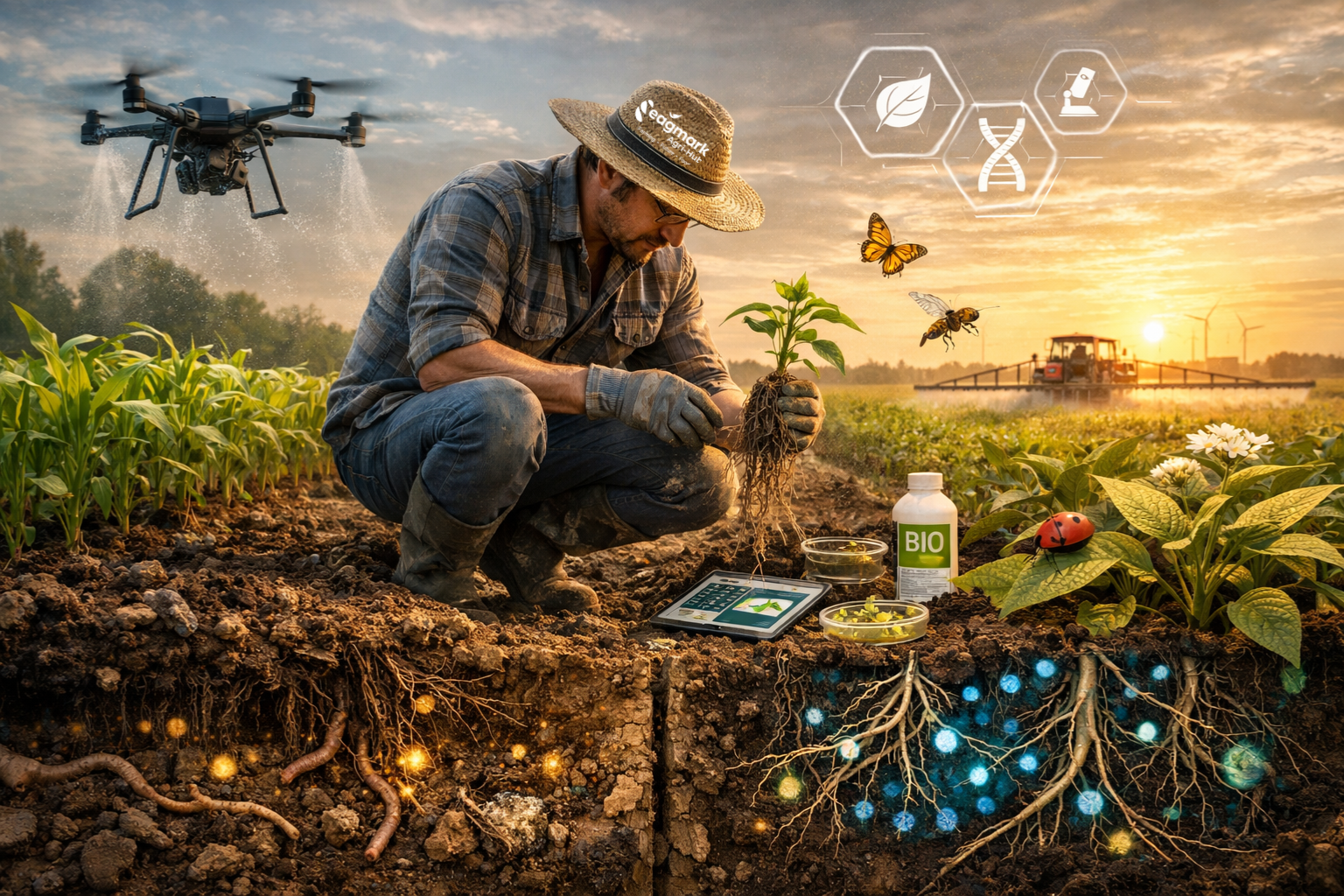
A newer group of inputs is moving from the edges of farming into the mainstream. These are the biologicals: living organisms and naturally derived products, from helpful microbes and fungi to plant extracts, that can hold back pests, feed the soil, or help a plant stand up to stress. The category has been growing fast across the world, and the pace shows little sign of slowing.
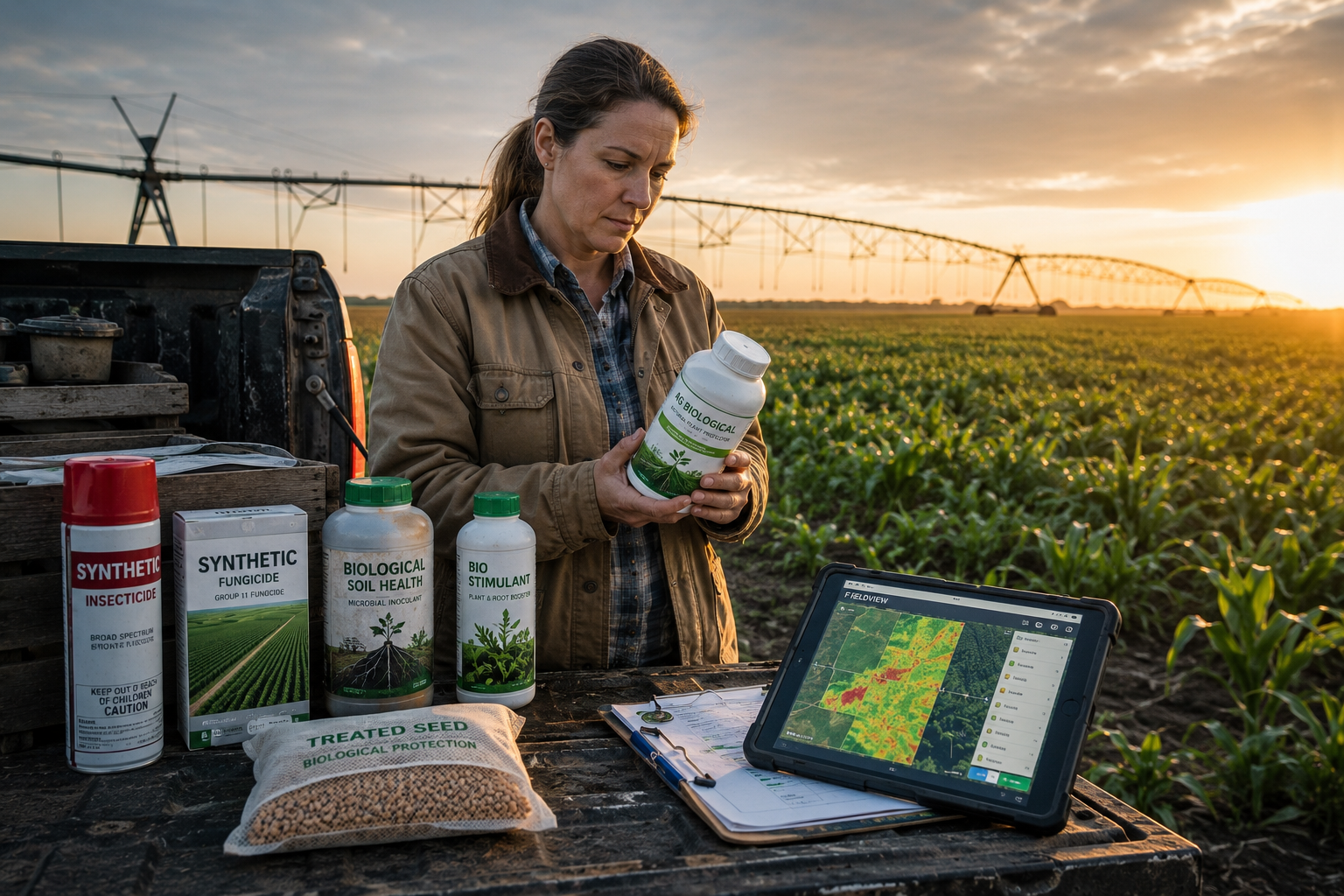
The most important shift, though, is not a product. It is a mindset. For a long time these tools were tested the wrong way, set head to head against the strongest chemical mix as if only one could win. The farmers seeing the best results are doing something different. They treat biology and chemistry as parts of one program, reaching for whichever tool suits the crop, the season and the moment. Add better seed, good field habits and precise timing, and the result is a toolbox rather than a single answer.
Two things are slowing this down, and neither is about the science.
The first is understanding and trust. Many farmers, and even many of the investors who fund this work, do not fully grasp what these products do or how to use them well. It does not help that nearly every sales pitch promises the same jump in yield. When every product sounds miraculous, an honest one is hard to tell from what growers bluntly call snake oil. So trust in performance, more than price or availability, remains the biggest barrier to adoption. Farmers do not need more hype. They need to know which questions to ask before they buy.
The second is rules and fakes. Approval systems are slow, and they differ from one country to the next. A product proven safe and effective in one place can take years to reach farmers just across the border, which raises costs and delays access to better tools. Worse, some markets are flooded with counterfeit inputs. When a farmer unknowingly sprays a fake, the loss is not only wasted money and yield. It is a loss of faith in modern farming itself.
The bright spots point to a way forward. Adoption tends to move fastest where farmers are younger and more willing to experiment, and where they fold new inputs into their whole approach instead of testing them in isolation. Some of the quickest uptake has come from parts of South America, while across much of Africa the appetite is clearly growing. The lesson is consistent. Openness plus integration beats caution plus novelty.
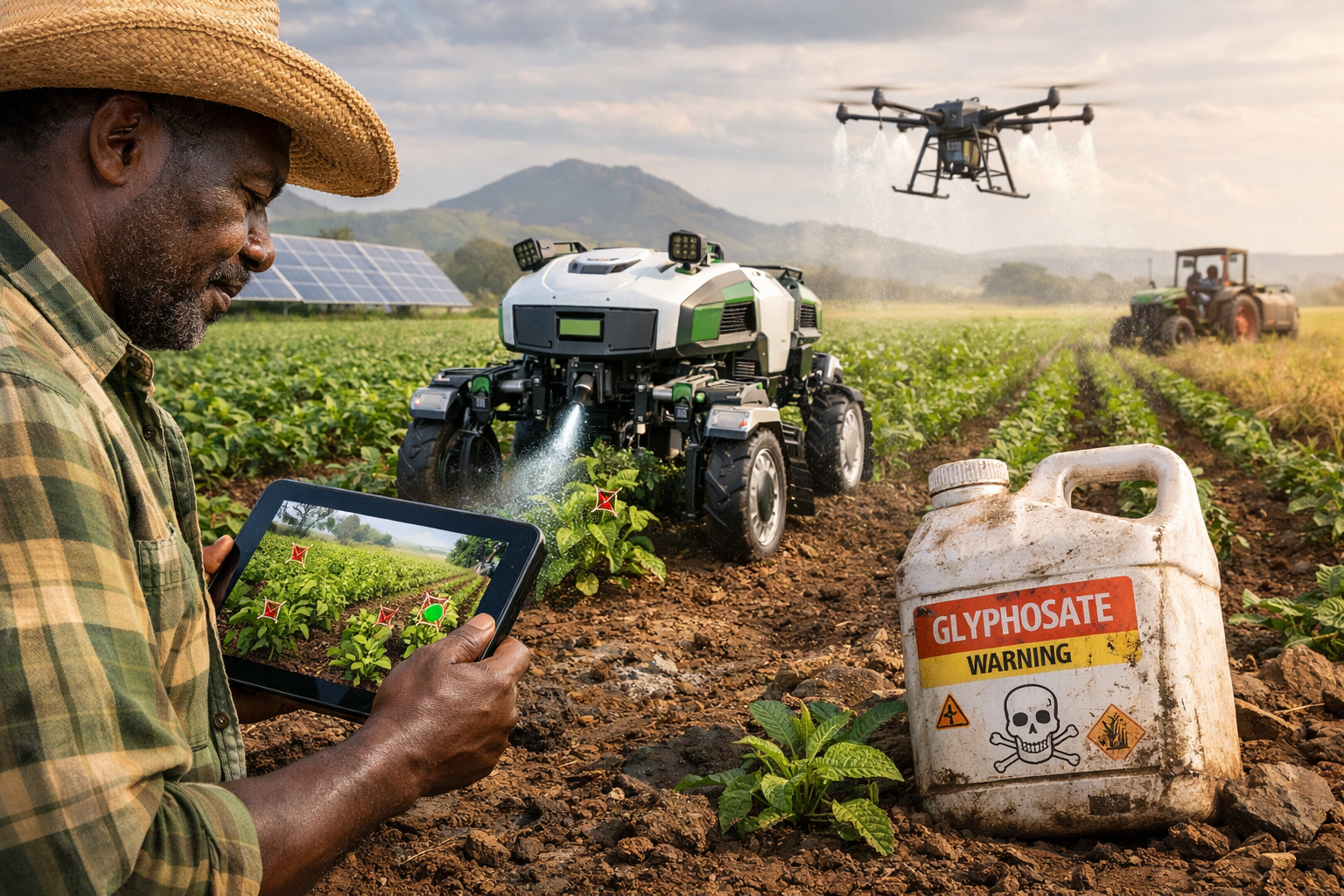
Unlocking the rest depends on a few practical moves. Neighboring countries can line up their approval systems and agree to recognize each other's data, so a good product does not have to prove itself from scratch at every border. Governments and industry can push back on counterfeits with tighter enforcement and, just as importantly, by teaching farmers how to spot the real thing. And technology can tie it all together. Digital advice, sensors and precise application help a grower decide when to act, what to apply and how to avoid spraying what the field does not need. That makes every tool in the box, chemical or biological, work better and waste less.
None of this is a story about one approach replacing another. The farmer who thrives in the years ahead will not be the one who picks a side. It will be the one with a full toolbox and the knowledge to use each tool at the right time. The products are arriving. The science is largely in place. What turns a promising input into a better harvest is the least glamorous part of the whole effort, and the most decisive: education, and the trust that grows from it.