For decades, crop protection was relatively straightforward. Identify the pest, apply the product, move on. But that simplicity is unravelling – and what is emerging in its place demands a fundamentally different way of thinking about how we grow food.
Integrated crop management, or ICM, is no longer a progressive ideal discussed at conferences and printed in policy documents. Across major agricultural regions worldwide, it is quickly becoming the baseline expectation.
The Forces Driving the Shift
Several converging pressures are making the traditional chemical-only approach increasingly untenable.
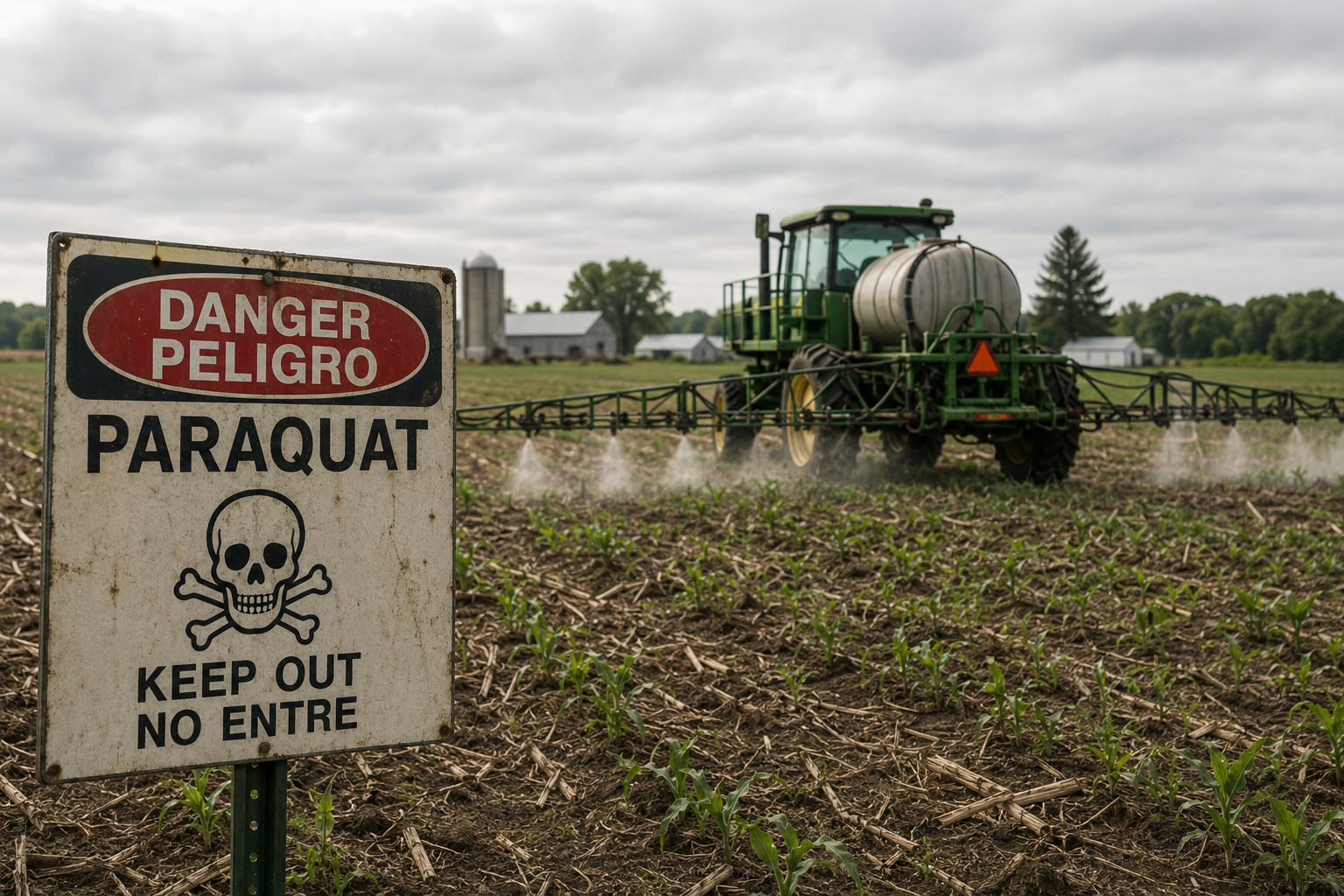
Weed resistance is spreading. Regulatory frameworks are tightening. Importing countries are enforcing lower maximum residue levels, meaning what passes inspection domestically may no longer be acceptable at the port of arrival. For export-oriented farmers – particularly in regions that supply fresh produce to quality-conscious international markets – these are not abstract concerns. They are immediate, commercial realities.
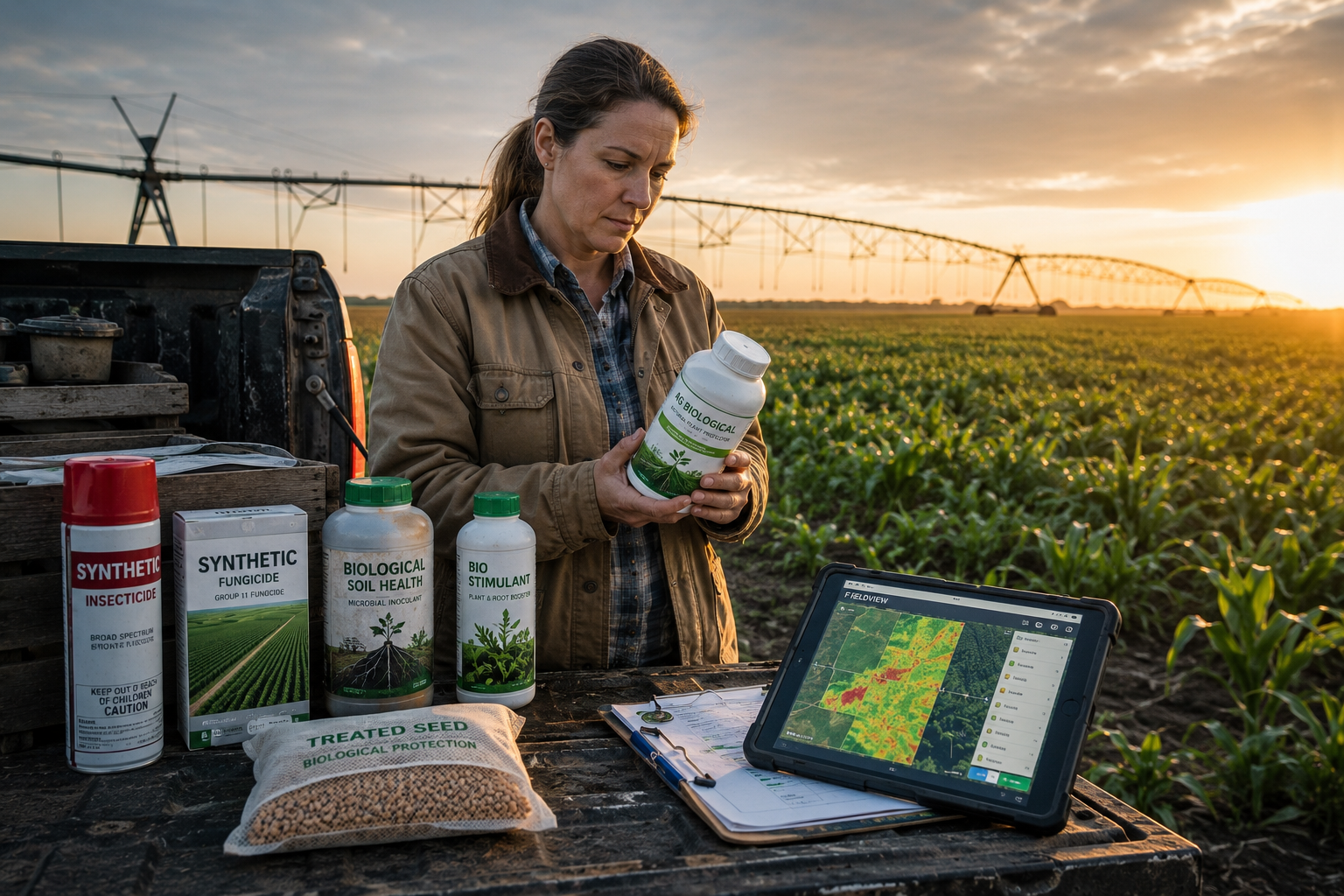
The result is a growing recognition that pest and disease management can no longer rely on a single category of tools. It must draw from a broader toolkit – one that combines traditional chemistry with biological solutions, biostimulants, and stress-management strategies.
From Killing Pests to Supporting Plants
One of the more significant philosophical shifts within ICM is the move from purely reactive crop protection toward proactive plant health management.
Rather than waiting for a pest outbreak and responding with force, the emerging approach asks a different question: how do we help the plant tolerate stress in the first place?
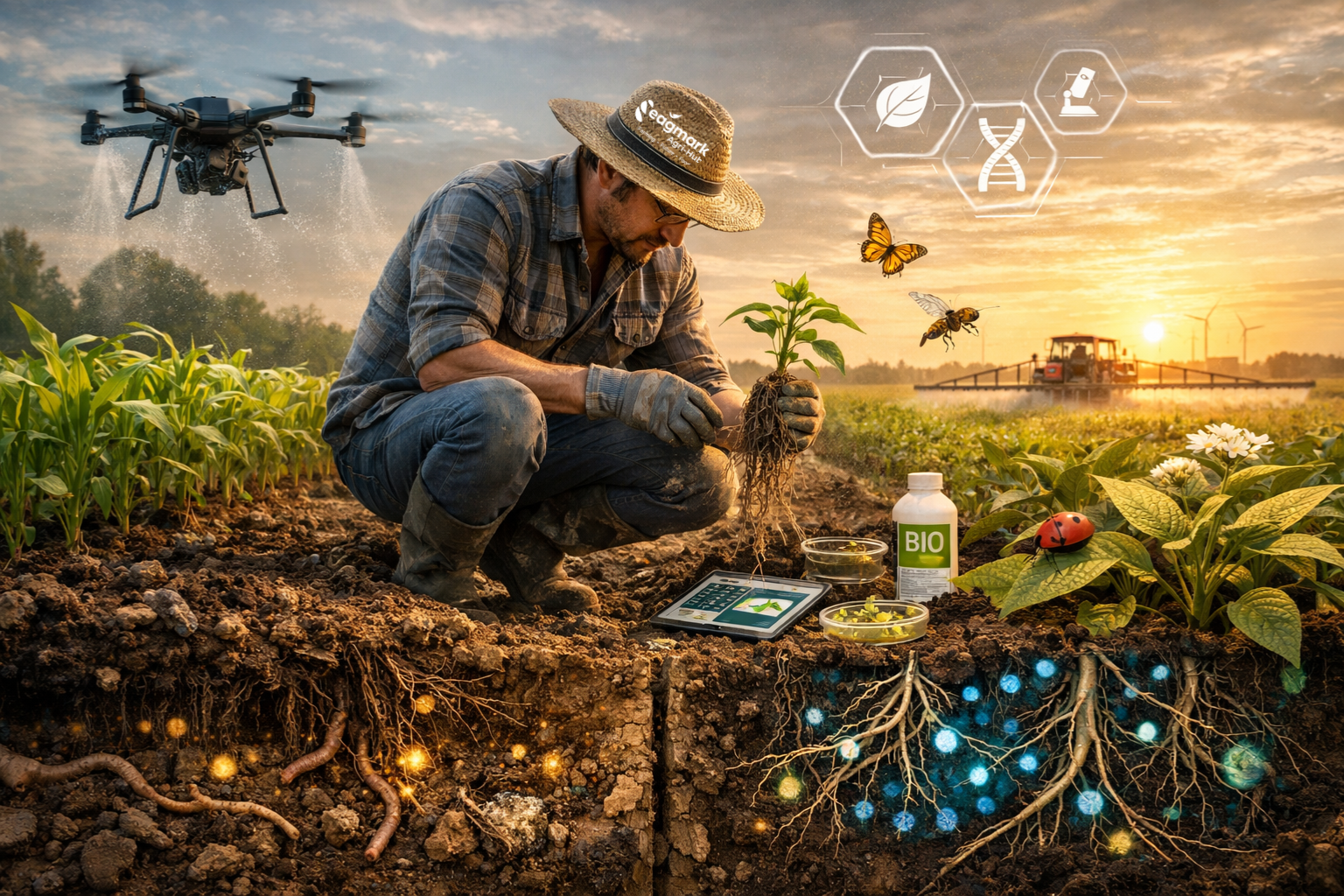
This means investing in soil biology, strengthening root systems, supporting beneficial microbial communities, and using biostimulants to help crops withstand environmental pressures – drought, heat, salinity – that weaken plants and make them more vulnerable to pests and disease.
It is a subtler approach, but increasingly, it is proving to be a more resilient one.
The Trust Problem With Biologicals
The growth in biorational and biological products across global markets has been rapid. But it has not been without friction.
The core challenge is trust. Quality among biological products varies enormously, and many farmers have had disappointing experiences – not necessarily because the products themselves were flawed, but because they were tested or applied under the wrong conditions.
A common mistake is evaluating biological products under extreme pest or disease pressure, often using highly susceptible crop varieties. When the product inevitably underperforms in those circumstances, it is dismissed as ineffective. But this testing approach does not reflect how these products are meant to be used in standard farming practice.
The opposite error is equally damaging: launching a product with too few field trials, generating inflated expectations, and then watching farmer confidence collapse when real-world results fall short.
Both scenarios erode the credibility that biological products need to earn their place in the farmer's rotation.
The Growing Need for Local Expertise
There is another dimension to the ICM transition that is easy to underestimate: complexity.
An integrated approach – blending synthetic chemistry, biologicals, biostimulants, cultural practices, and monitoring – is technically more demanding than a conventional spray programme. Timing, sequencing, compatibility, and environmental conditions all matter more when multiple tools are being used together.
This complexity is driving a growing reliance on local technical advisers and field-level support. Farmers adopting ICM are not simply buying products – they are buying knowledge, guidance, and ongoing stewardship.
For companies entering new markets with biological products, this has practical implications. Partnering with specialist distributors who understand the nuances of biological stewardship can be far more effective than relying on conventional agricultural retailers who may lack the time, resources, or expertise to give these products the attention they require.
Where This Is Heading
The trajectory is clear. Across every major agricultural region, the conversation is shifting from whether to adopt integrated approaches to how quickly it can be done.
Industry associations are incorporating integrated pest management into their standards. Agrochemical companies are diversifying into biologicals – not as a side project, but as a strategic imperative. The market signal is unmistakable: use fewer synthetic chemicals, integrate more biological solutions, and build farming systems that are sustainable not just environmentally but commercially.
This does not mean the end of conventional chemistry. Synthetic crop protection products will continue to play a critical role, particularly in managing acute pest and disease events. But they will increasingly be one tool among many, rather than the default response to every problem.
The Farmer's Perspective
For individual farmers, the shift to ICM can feel overwhelming. More products to understand. More variables to manage. More advice to sift through.
But there is an upside that is often lost in the technical discussion: integrated systems, when well managed, tend to be more resilient. They are less dependent on any single product or chemistry. They build soil health over time. And they position farms to meet the rising quality and sustainability standards that markets are demanding.
The farms that will thrive in the coming decade are not necessarily the largest or the most technologically advanced. They are the ones willing to embrace complexity, invest in knowledge, and view crop management not as a series of isolated interventions but as a system.
Integrated crop management is not a trend. It is the new foundation.