New research points to a natural trait that helps maize survive dry spells, and it starts far below the soil.
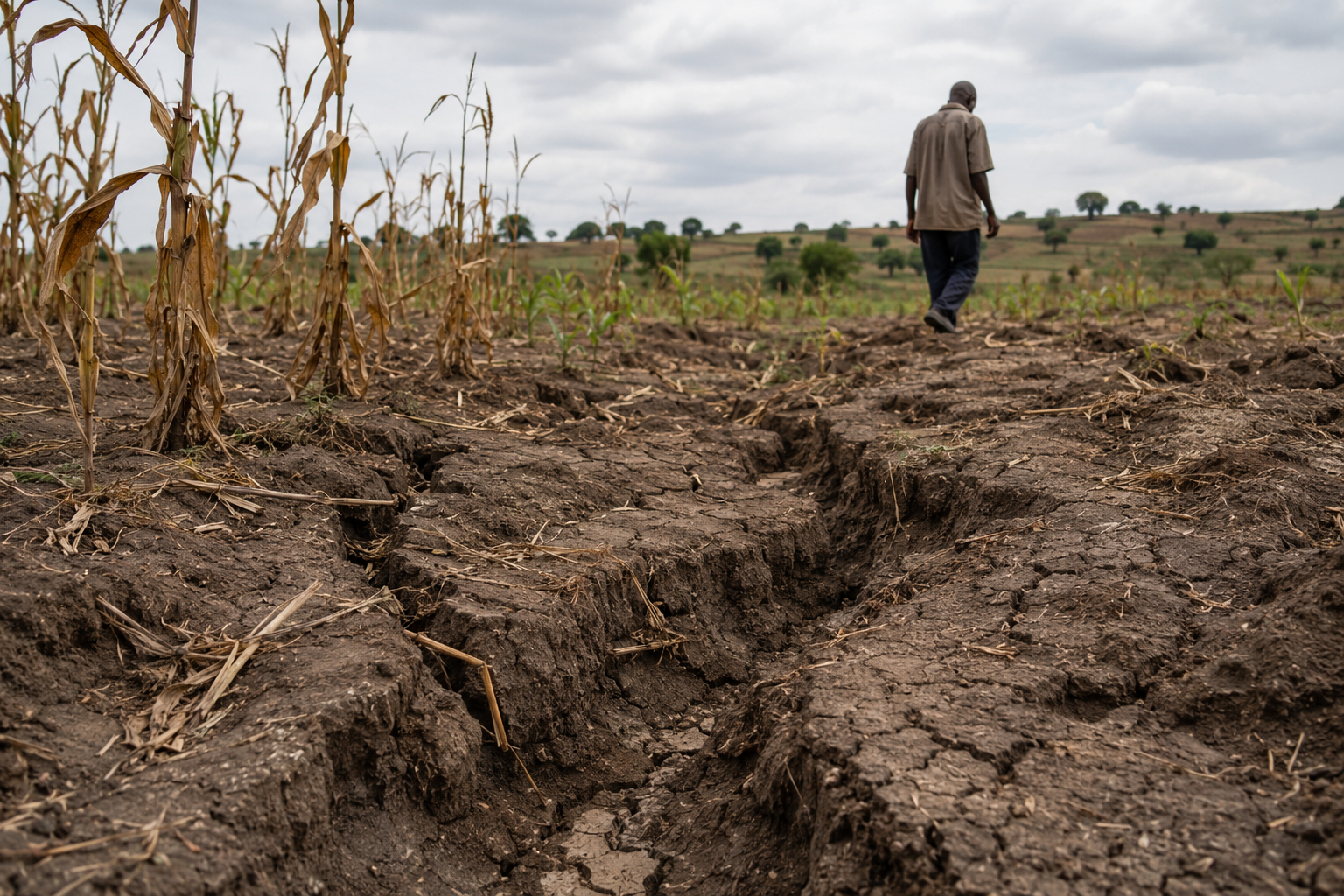
When a dry spell settles over a maize field, the damage shows up first in the leaves. They curl and fade long before anyone thinks to check what is happening underground. Yet the real story of whether that crop survives is written far below the surface, in the roots and in the fine channels that carry water up through the plant.
That is exactly where a team at Penn State's College of Agricultural Sciences went looking. In a study published in the journal Crop Science, the researchers identified natural traits, already present in ordinary maize, that help some plants ride out drought far better than others. No genetic engineering required. The differences are simply there, waiting to be selected for.
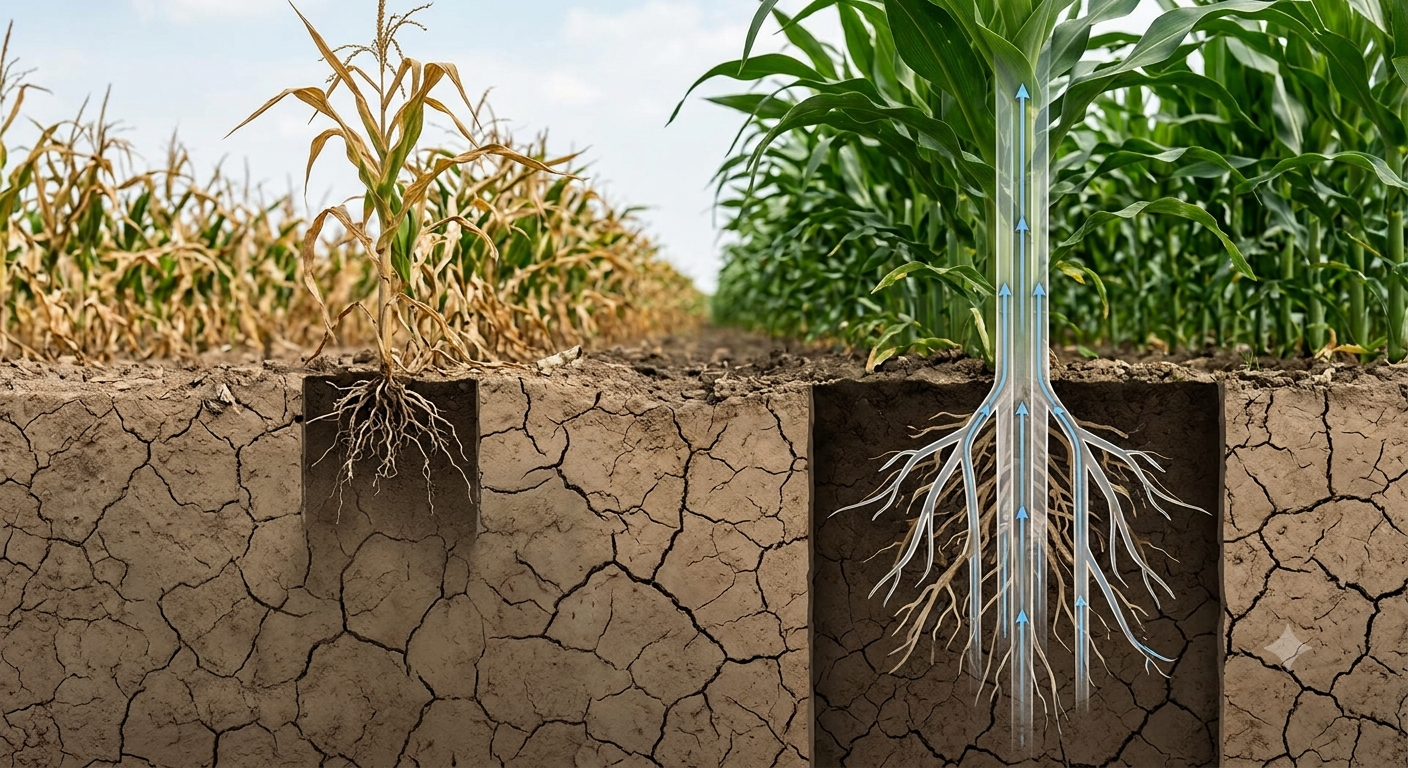
Two features stood out. The first is how deep and how fast the roots grow. Plants that push roots down quickly can reach moisture stored well below the topsoil, and they keep drinking long after the surface has baked dry. The second is the plant's internal plumbing. Water travels from root to leaf through tiny vessels, and the study found that plants with longer, smoother vessels move water with far less resistance. Fewer internal barriers mean faster, easier flow. The team nicknamed this combination the "stretch phenotype," and the plants that carried it consistently pulled more water from harder places while losing less of it along the way.
Jonathan Lynch, the plant nutrition professor who led the work, put the plumbing in plain terms: short pipes crowded with barriers slow water down, while long, smooth pipes let it run freely. Drought, he noted, is "a primary limitation for crop production and is projected to worsen due to climate change," which makes traits like these more valuable with every passing season.
The findings were not a lucky one-off. The team screened hundreds of genetically diverse maize plants and saw wide variation in vessel length. They then backed the results with greenhouse experiments, field trials in Pennsylvania and Chile, and genetic analysis. Across those very different settings, the pattern held: better internal transport and deeper roots meant better access to moisture and stronger yields when rain was scarce.
The stakes are hard to overstate. Maize feeds billions of people and animals, and it anchors the diet and the income of smallholder families across sub-Saharan Africa, Latin America, and South Asia. Rainfall in many of these regions has grown less predictable, with longer gaps between storms and hotter days in between. A crop that can ride out two or three dry weeks without collapsing is not a small gain. For a family that depends on a single harvest, it can be the line between a full granary and an empty one. Because the traits are natural, breeders have a clear and affordable path to fold them into the varieties farmers already plant.
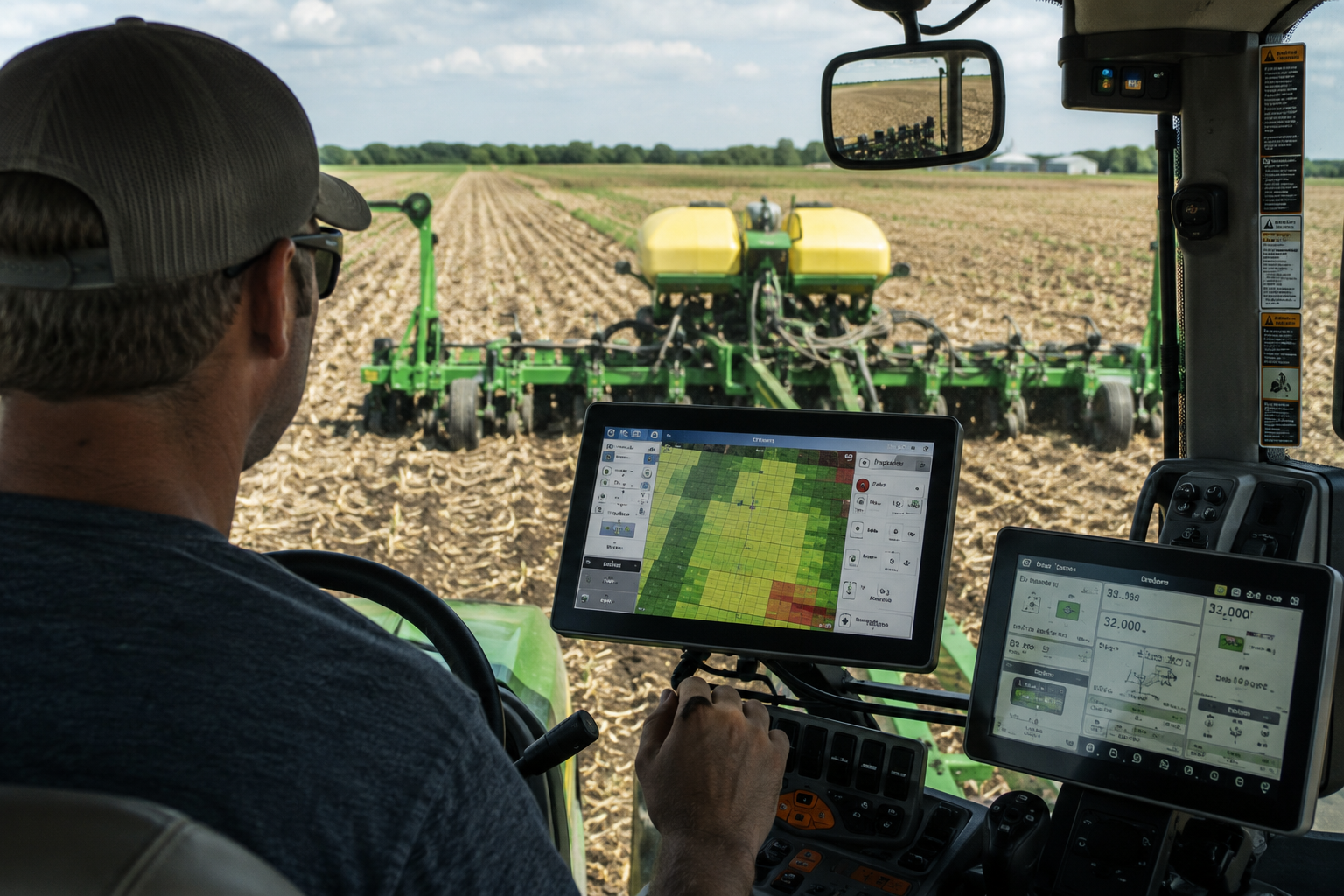
Better seed will take years to reach every market, and it is only half of the answer. Farmers do not have to wait to protect their yields. Getting the timing of watering right, reading the soil before planting, and catching stress early all make a real difference in a dry season. Tools like smart irrigation planning, soil analysis, and early crop diagnosis help put those decisions on firmer ground, so the water a crop does receive is used where and when it counts.
The larger lesson is a change of view. For a long time, the search for drought resistance looked upward, at leaves and grain. The most useful answers were underground the whole time, in how a plant drinks and how far it is willing to reach. As dry seasons grow longer and less forgiving, that quiet, hidden strength may be one of the most valuable things a maize plant can carry.