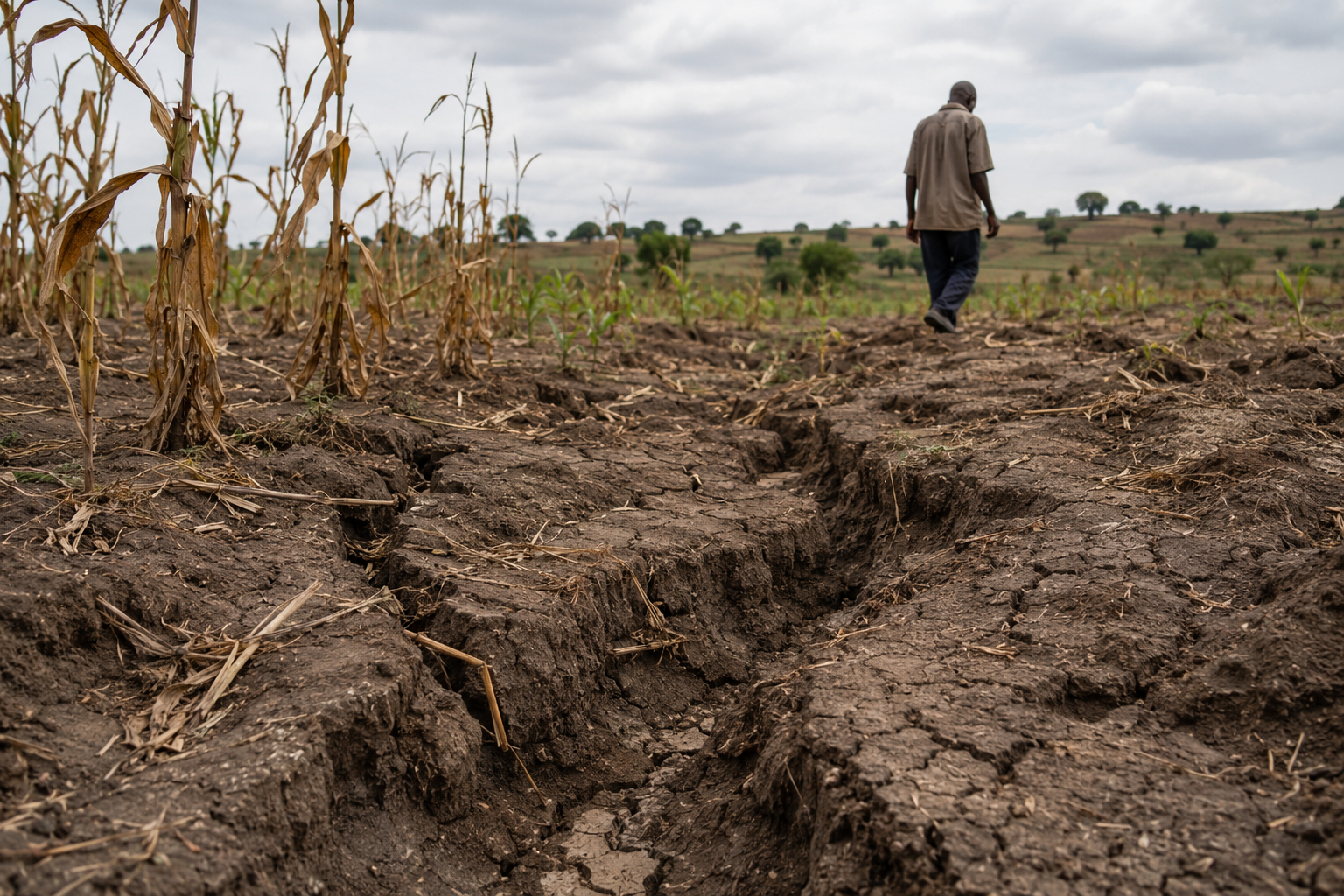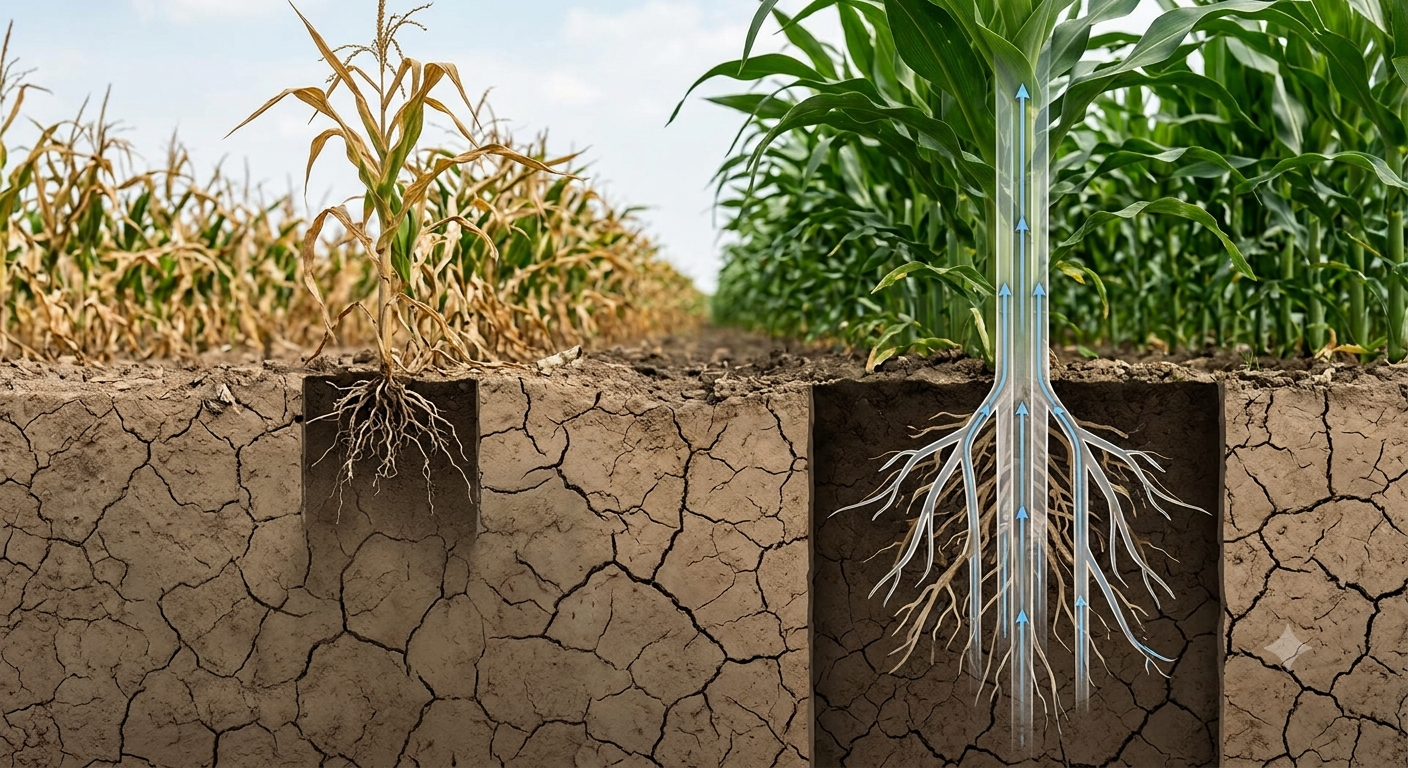
From the roadside, a field looks like one smooth stretch of ground. Up close, it rarely is. One end holds moisture while the other bakes dry. A gentle slope loses its topsoil with every storm. A low, dark patch stays rich season after season. The same field can hold a dozen different conditions, all wearing the same green coat.
A team of researchers set out to help farmers plant for what is really there rather than for that even surface. Working across the University of Missouri and The Ohio State University and led by agricultural systems scientist Jasmine Neupane, they tested a simple but powerful shift: instead of setting one seeding rate for a whole field, adjust the number of seeds to match each part of it. Their findings were published this year in Agronomy Journal.
As Neupane has explained, a field can look identical from the road and still be nothing of the sort. Some stretches carry better soil and moisture, while others give ground to erosion or let their nutrients slip away.
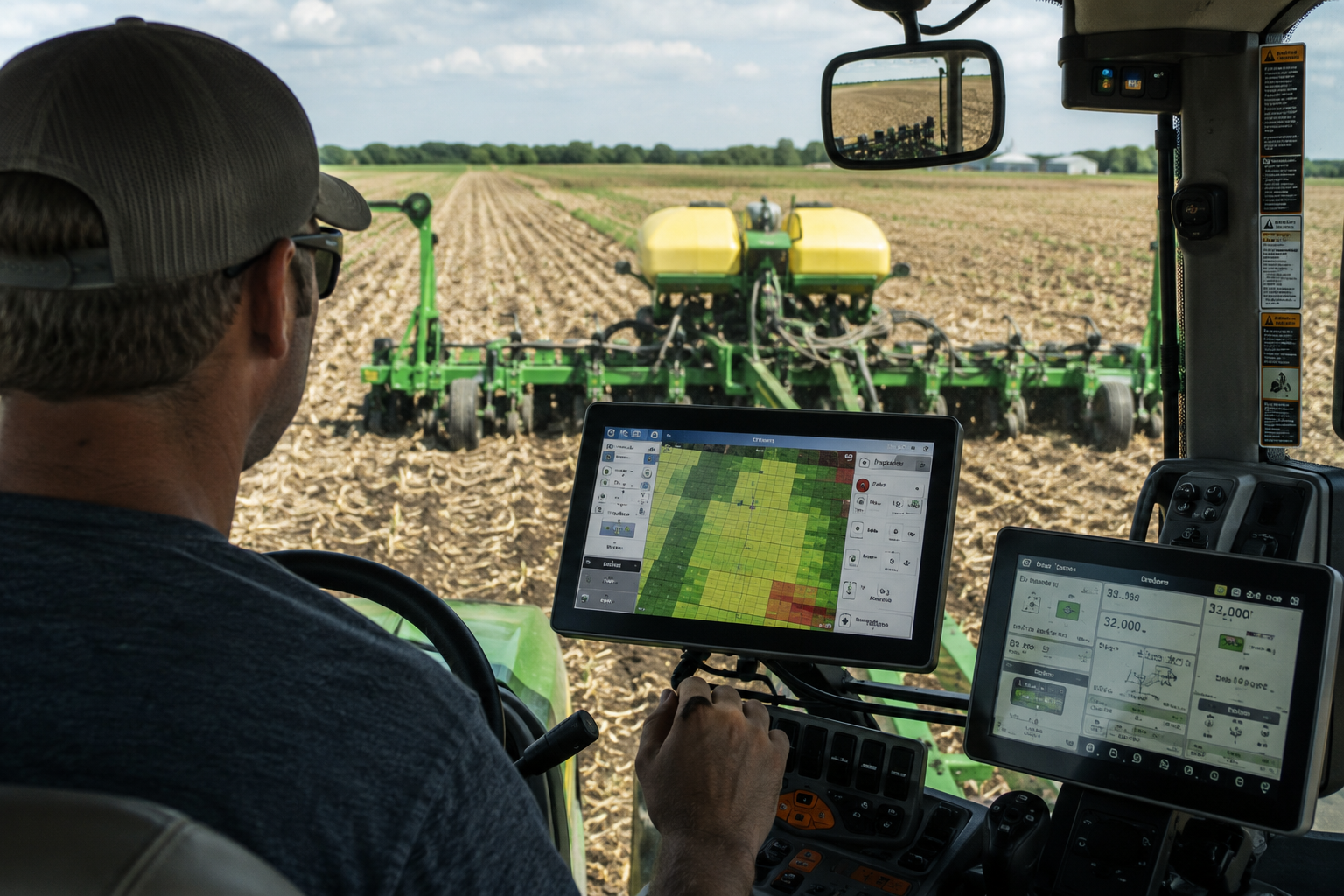
To turn that idea into a working plan, the team drew on field studies in Miami County, Ohio, gathered over six seasons from 2017 to 2022. Machine learning combined with geospatial mapping sifted through the data and kept surfacing the same handful of traits as the ones that mattered most: the elevation of the land, its slope, the amount of organic matter in the soil, and the soil's ability to hold on to nutrients. From those signals, the researchers built variable-rate seeding plans that modern planters can follow on their own, raising or lowering seed populations as the machine crosses ground of different quality.
Crucially, the study did not stop at what grows best. It also weighed what pays best, searching for the seeding rate that made both agronomic and economic sense in each zone. That is where the savings live. When seed, and the fertilizer and crop protection that follow it, are placed only where the ground can reward them, less is spent and less is wasted. Neupane has noted that the same approach spares farmers from treating land that does not need it, which keeps nutrients and chemicals from running off into nearby soil and water.
The method is not equally reliable for every crop. It held up well for corn, where the character of the ground has a strong say in the harvest. Soybeans proved far harder to pin down, since weather steers so much of how that crop develops, and no map can predict a dry spell or a sudden downpour.
The researchers see the work as a starting point rather than a finished answer, and its logic travels well beyond Ohio. Fields vary just as much on a smallholding in Kenya or a large farm in Brazil as they do in the American Midwest, and the same thinking could help producers anywhere trade habit for evidence. A field has always been trying to tell its farmer something. Tools like these are finally putting that message into words a grower can act on.