For as long as most of us have shopped for groceries, the food business has run on a simple promise. Make it cheap, make it convenient, make it taste good, and people will buy it by the cartload. That promise built entire industries. It is now quietly coming apart.
Three separate developments are arriving at the same moment, and together they point to the biggest change in how people eat and in who earns money from it since the supermarket first replaced the corner shop. On their own, each is interesting. Side by side, they describe a shopper who barely resembles the one companies were selling to a few years ago. The old contest was won by price and convenience. The next one will be decided by health.
People are simply eating less
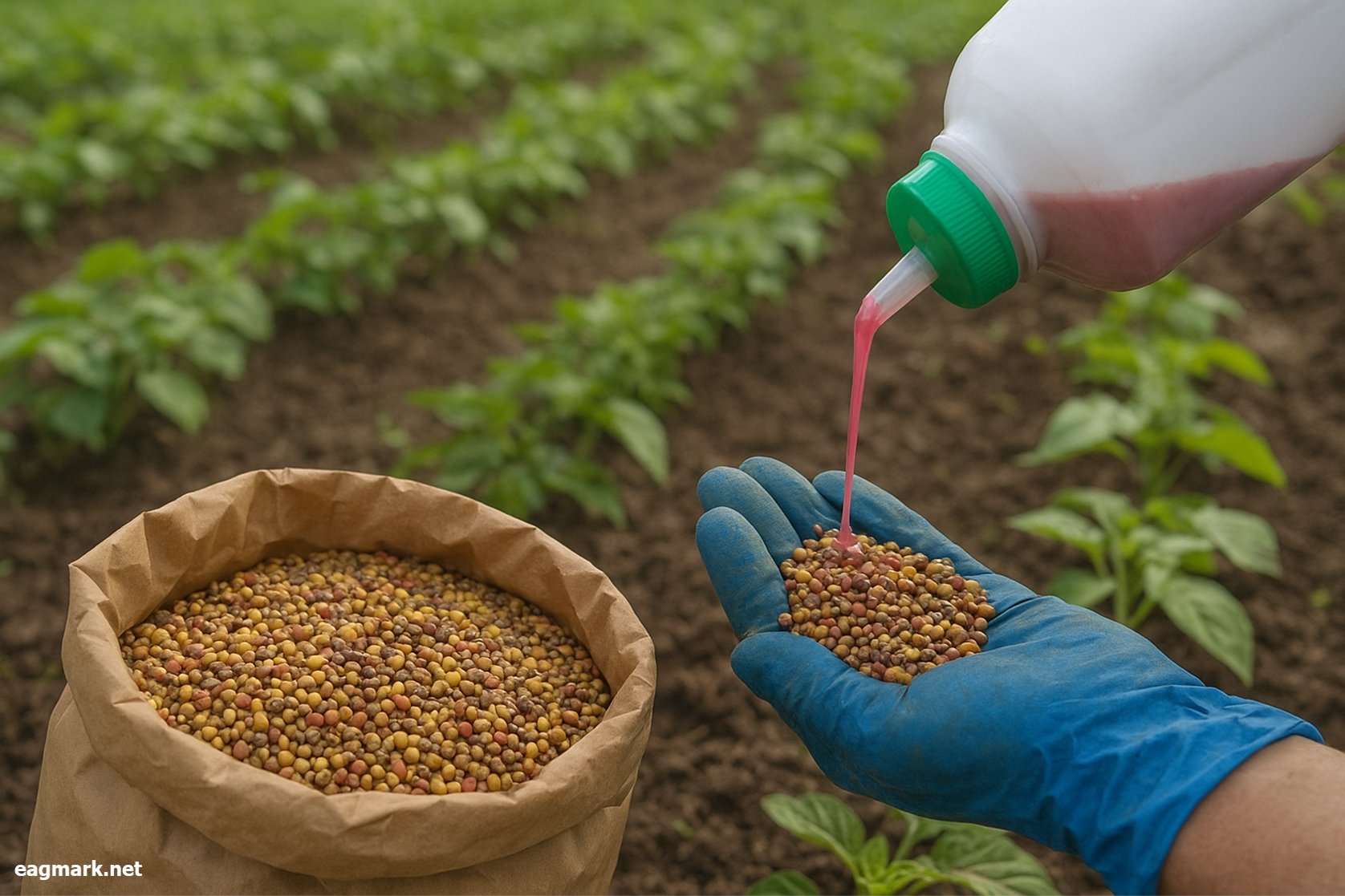
A new class of medication that reduces appetite, known as 'anorectics' is spreading into everyday life faster than almost any before it, and its effect on the plate is hard to overstate. People taking it tend to eat noticeably fewer calories than they used to, and the first things to leave the basket are the easy indulgences: the fizzy drinks, the chips, the packaged cakes, the late-night snacks, and the extra drink. What stays, and often grows, is the food that actually nourishes. Protein, fiber, whole ingredients. For the makers of those easy indulgences, this is not a passing dip in sales. It is a market that may shrink for good.
Guidance is moving to the machine
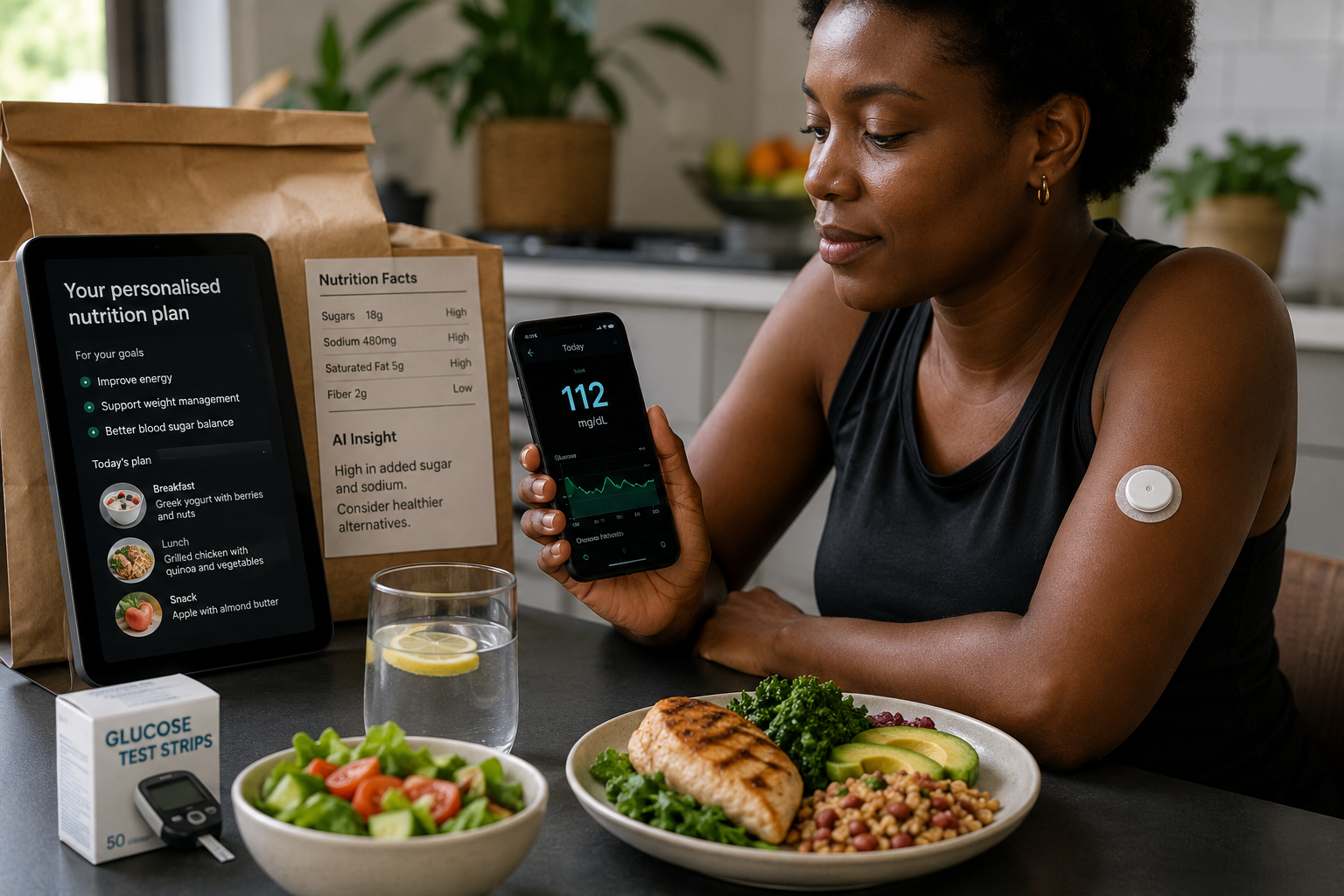
Years of loud, contradictory advice online left many people unsure what healthy even means anymore. Into that confusion steps artificial intelligence, which can cut through the marketing on a package and describe a food for what it really is. More than that, it can give a family a clear, tailored answer to a question that used to have none: what should we eat, given our goals, our tastes, and what we can afford? The kind of personal nutrition planning once reserved for professional athletes is now within reach of ordinary households. Whoever earns the trust to answer that question ends up shaping millions of meals, which makes it one of the most valuable positions in the entire food world.
Proof is becoming personal
The newest of the three shifts is also the quietest, but it may prove the most powerful. Small, affordable devices now let people watch how their own bodies respond to what they eat, week by week, at home. What used to require a laboratory can increasingly be measured on a wrist or with a simple test. This changes the argument entirely. When a shopper can see for themselves that certain foods leave them steadier, sharper, or better rested, the case for paying more for genuinely good food stops being a slogan. It becomes something they can prove to themselves.
Put these three together and a new kind of eater comes into focus. Someone who wants less volume and more value, who checks claims rather than trusting them, and who treats food less as a treat and more as a way to live longer and feel better.
For food companies, that raises the stakes on one thing above all: trust. It will be hardest to earn for large, established brands whose factories, recipes, and supplier deals were all built for an age of cheap calories and huge volumes. It may come more naturally to smaller, newer names with less to unwind. But loud health messaging will not decide the winners. The winners will be the ones who can still turn a profit when people buy fewer calories and whose food is easy for a shopper, a smart assistant, or a health score to recognize as tasty, affordable, filling, and honestly good for you.
The cheap calorie made the last era of food. The measured, trusted one will make the next.