Centuries ago, fishermen along a warm stretch of coast noticed their nets coming up nearly empty. Every so often the sea would turn unusually warm, and the fish would simply disappear. Because it tended to arrive around Christmas, they named it after the Christ child, calling it "El Niño," Spanish for "the little boy." The name stuck, and centuries later we still use it to describe the same thing those fishermen saw, a warming of the ocean that quietly reshapes weather across the planet.
It is back, and scientists say this one could be among the strongest ever recorded. For most people, that sounds like a story about temperature charts and distant seas. It is actually a story about dinner. Because when this pattern stirs, it pulls at the threads of the entire food supply, and the effects eventually reach the kitchen table.
A small shift with a long reach
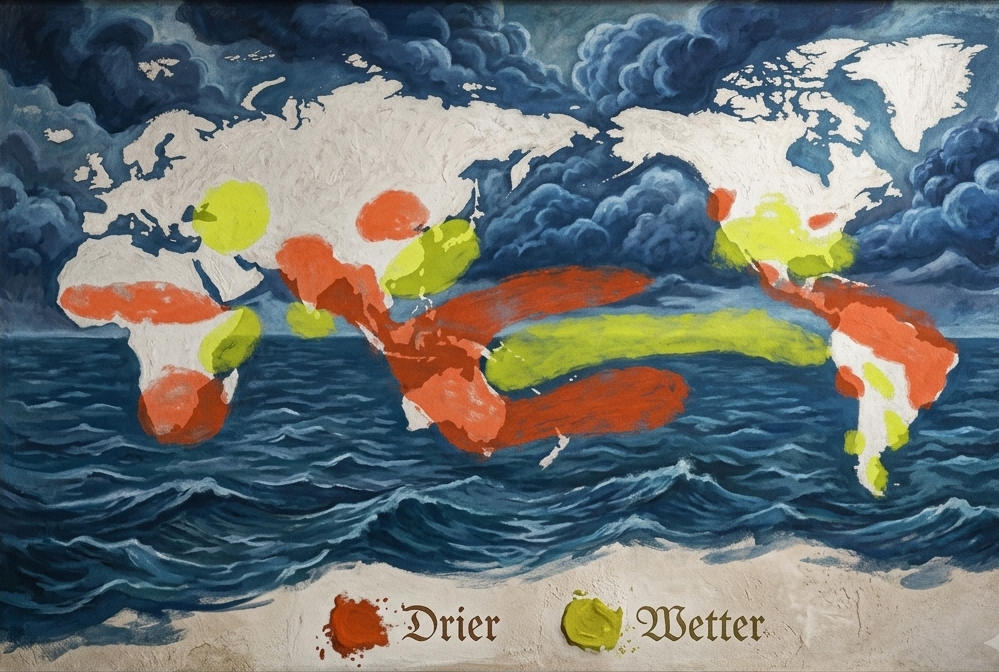
What makes El Niño so powerful is not that it strikes one place hard, but that it touches so many at once. It can bring drought to regions that depend on rain and floods to those that cannot absorb it. It can delay the seasonal rains that farmers plan their whole year around. A single shift in ocean temperature ripples outward into harvests on nearly every continent.
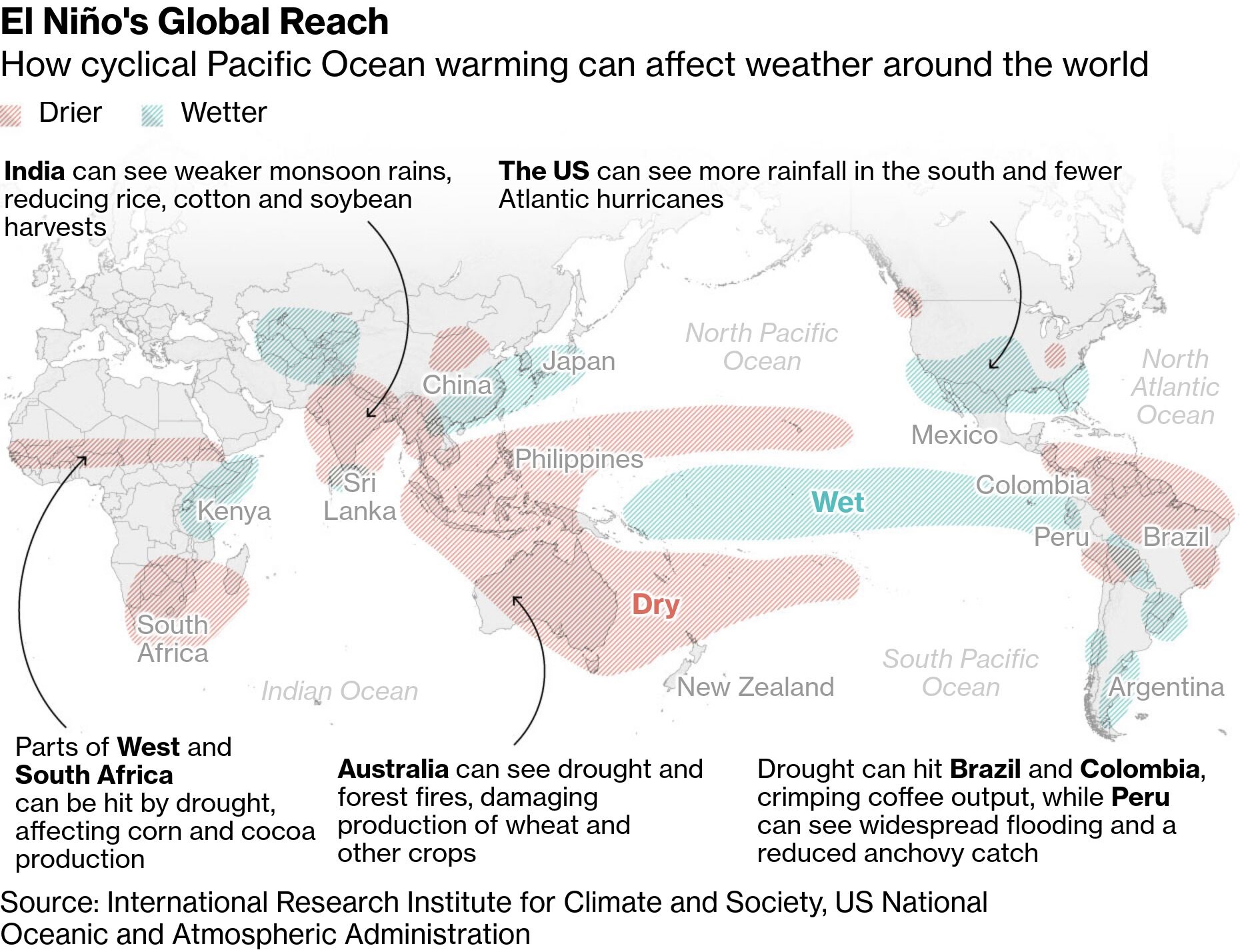
The timing could hardly be worse. This warming arrives while the world is already wrestling with conflict, costly energy, and expensive fertilizer. Prices were tense before the ocean ever warmed. Now there is a real chance they climb higher than anyone expected, and the people most exposed are often those who can least afford it.
The staples at risk
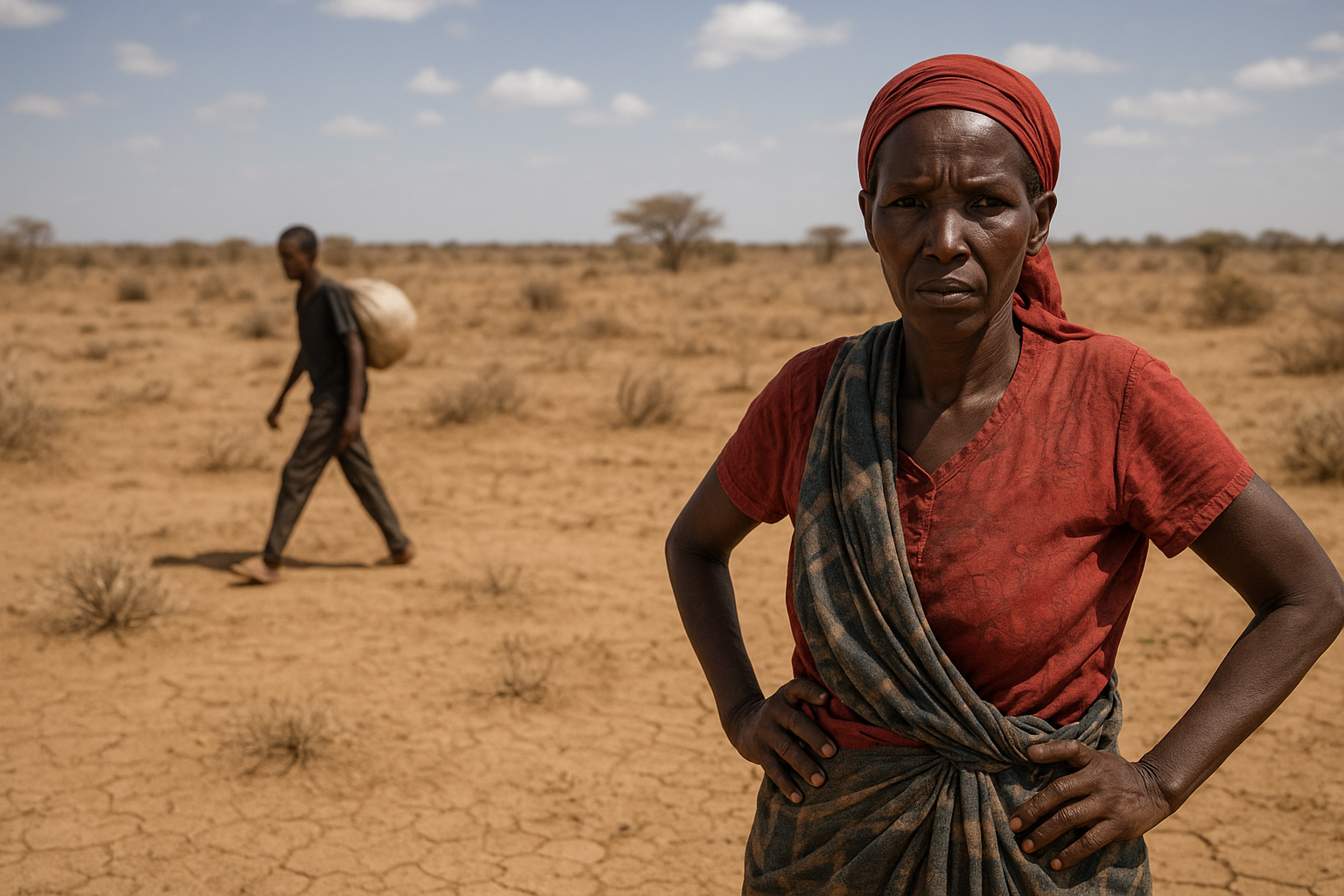
Start with the crops that feed billions. In drought-prone regions, the grains that form the backbone of daily meals are deeply vulnerable. Less rain means thinner harvests, and thinner harvests mean strain on families and economies already stretched thin.
The bigger worry may be rice. It is a thirsty crop, and it feeds an enormous share of the world. When the rains come late or fall short in the places that grow the most of it, the effects spread fast. History offers a warning here. The last time this pattern appeared, major producers limited exports to protect their own supply, and prices jumped for everyone else. A poor season does not stay local for long.
The little luxuries too
It is not only the basics. The pattern reaches into the small pleasures that make life sweeter. Sugar crops suffer in dry years, and the squeeze is sharper now that more of the harvest is being turned into fuel rather than food. The beans behind chocolate are sensitive as well. The last strong event helped shrink that harvest and pushed prices to record highs.
Even the fruit bowl feels the swing. More rain can be a gift for some crops, helping them thrive. But for delicate fruit, too much water is a curse, bruising the harvest and turning a promising season into a headache. Flood-prone farms can watch a good year wash away in a matter of days.
Why this one feels different
Weather patterns like this have come and gone for as long as anyone has kept records. What has changed is the world they now arrive in. Supply chains are tighter, buffers are thinner, and shocks travel faster than they used to. A disruption in one corner of the globe shows up weeks later in a shop thousands of miles away.
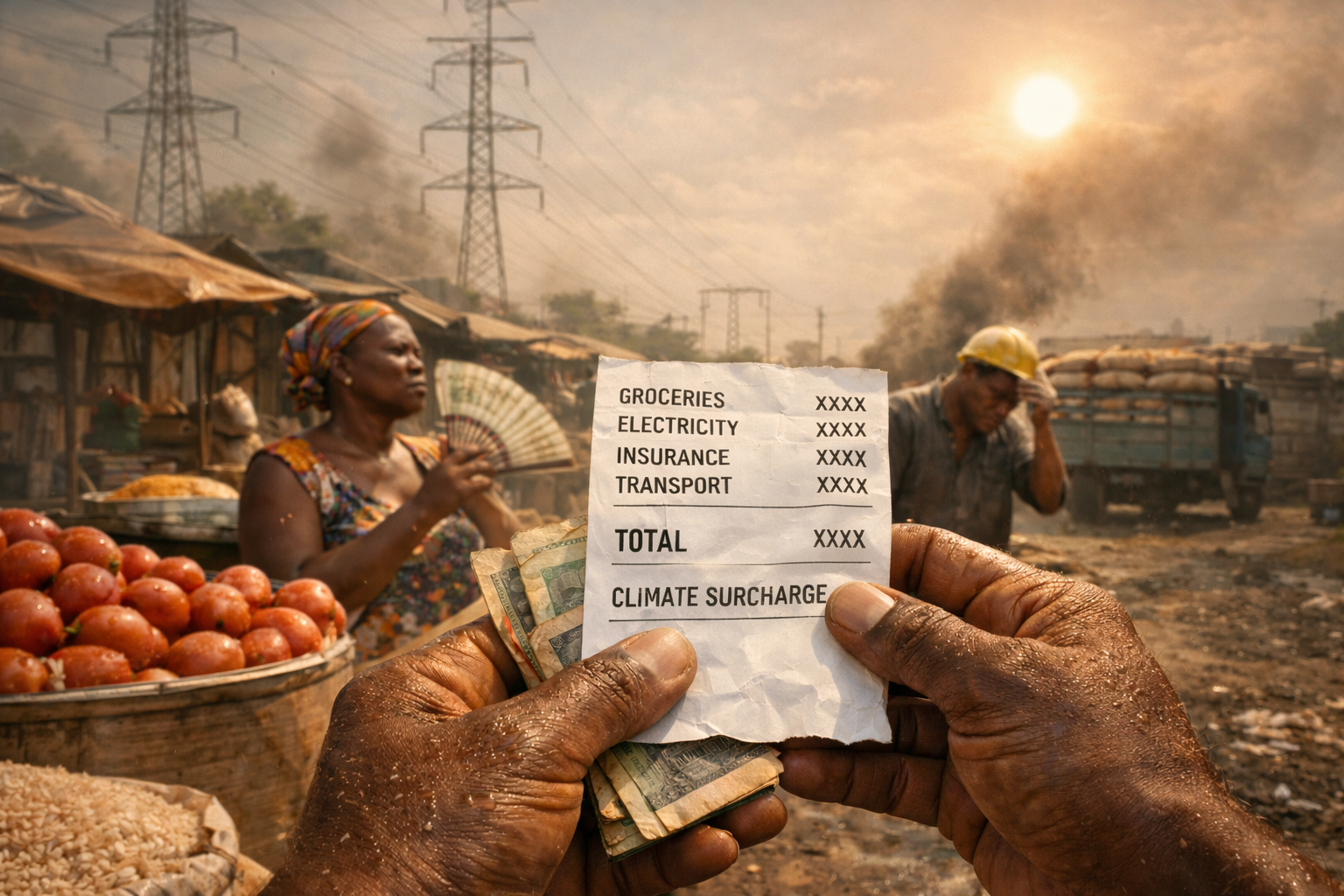
This is the quiet lesson worth holding onto. The cost of a warming ocean does not stop at the shoreline. It moves through fields and ports and markets until it lands in everyday life, in the price of bread, the cost of a chocolate bar, the strain on a farmer trying to save a soaked harvest.
We cannot stop the ocean from warming on its own schedule. What we can do is pay attention, prepare where we are able, and remember how connected the system really is. The little boy of the sea, as those early fishermen named it, has never just been their problem. In a world this linked, it belongs to all of us.