Kenya has been flagged as a hunger hotspot in a recent early warning assessment covering November 2025 through May 2026—the first such designation since 2024. The classification comes despite government assurances of improved food security.
Nearly 2.8 million Kenyans are projected to face acute food insecurity between April and June 2025, with 160,000 people expected to reach Emergency conditions, according to data from the Integrated Food Security Phase Classification system.
The 2025 Global Hunger Index ranks Kenya 103rd among 123 countries with a score of 25.9—categorized as "serious" hunger and worse than its 2017 performance.
Climate and Economic Pressures Converge
Three factors are driving the deterioration: erratic rainfall patterns, elevated staple food prices, and reduced humanitarian funding.
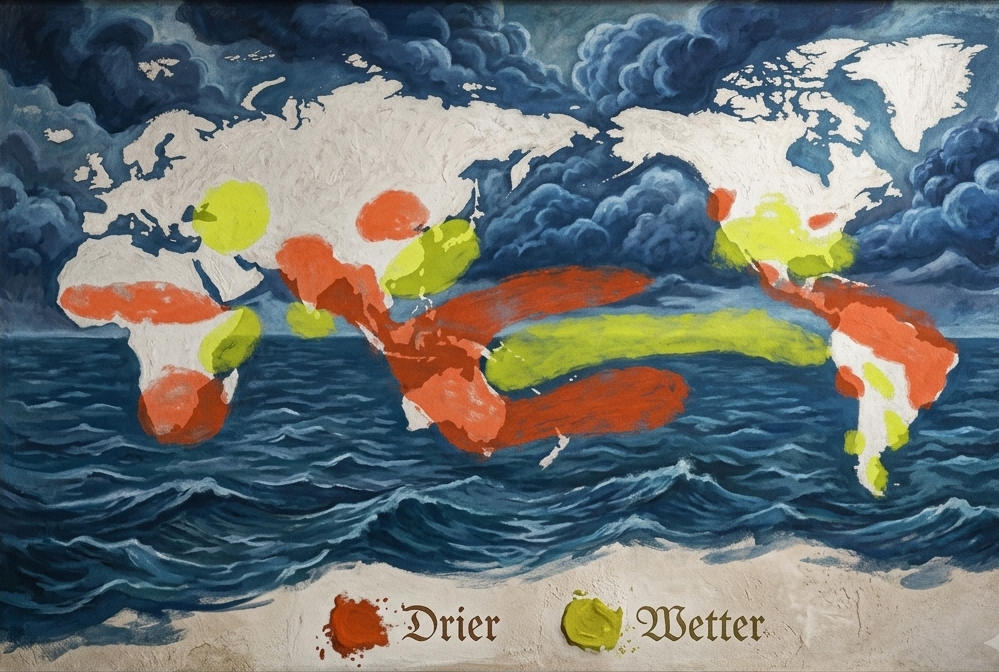
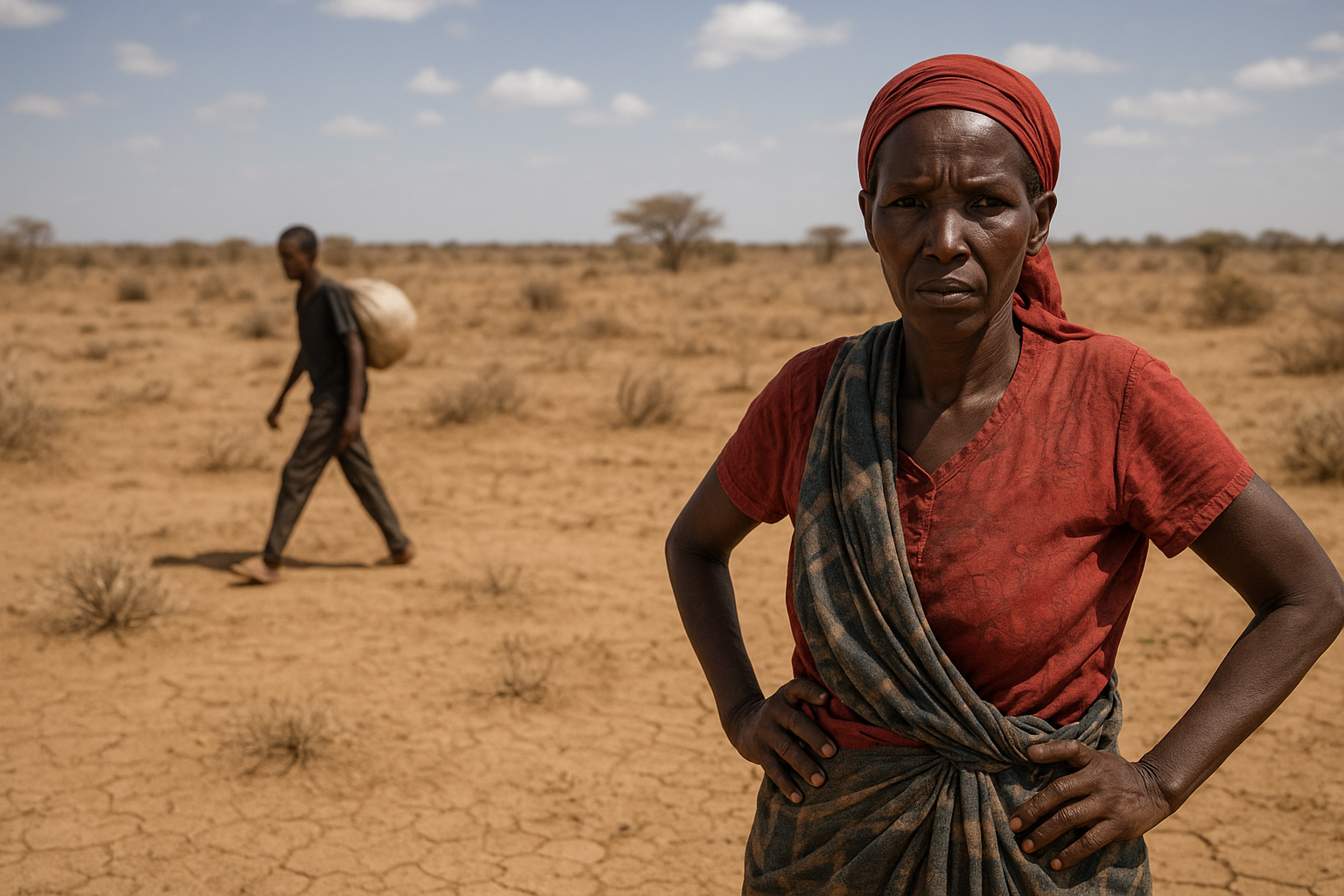
Climate forecasts indicate below-average short rains between October and December 2025 across eastern Kenya, critical for pastoral and marginal agricultural zones. Crop failures reached 80-100% in parts of Kitui South, Makueni East, and Tharaka North.
National maize prices stood 15% higher in June 2025 compared to the previous year, constraining household purchasing power in counties where families depend heavily on markets.
Pastoral Communities Bear the Brunt
Counties including Turkana, Marsabit, Mandera, Wajir, and Garissa face the highest risk, with many projected to experience emergency-level food insecurity between November 2025 and May 2026.
Livestock—the economic foundation for pastoralist communities—are weakening as grazing lands deteriorate. Satellite imagery from August 2025 shows declining vegetation cover across eastern Kenya, reducing both pasture availability and livestock productivity.
Resource competition is intensifying. Herders report increased tensions over water access and migration routes as environmental pressures mount.
Funding Gap Widens
The humanitarian response faces severe constraints. Global hunger response funding reached only $10.5 billion of the $29 billion required by late October 2025—the lowest level in a decade.
Kenya's drought response plan requires $142 million to support 2.8 million people across eight critical sectors, including food assistance, health, water, and agriculture.
The situation reflects broader regional vulnerability. An estimated 42 million people across Kenya, Djibouti, Somalia, Uganda, South Sudan, and Sudan face acute food insecurity this year, according to the Intergovernmental Authority on Development.
Kenya's heavy dependence on rain-fed agriculture leaves populations particularly exposed to climate variability, a pattern that has intensified over recent years.