For most of the past century, weather was something economists noticed afterwards. A bad harvest. A frozen pipe season. A storm that dented a quarter's growth before the line moved on. It made for footnotes in inflation reports, not the story itself.
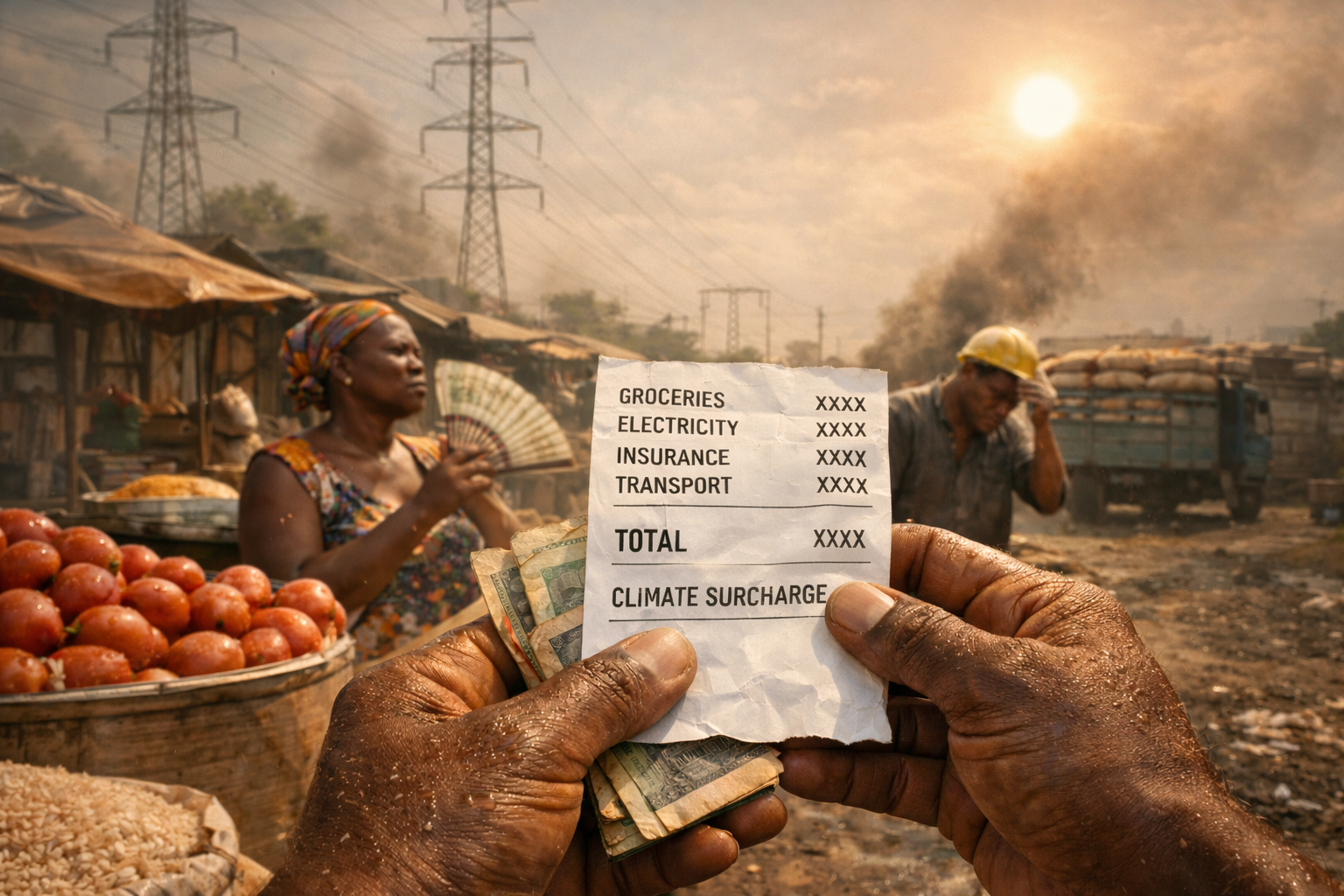
That has changed. The weather is now showing up on the receipt – and it is staying there.
Across continents, a steady run of heatwaves, droughts, floods, and intensifying storm seasons is doing something more than hitting the obvious targets of farms and homes. It is feeding into the price of nearly everything that moves through a modern economy: groceries, electricity, insurance, transport, building materials, and the cost of borrowing to keep the lights on. Researchers and central bankers have begun calling the pattern "climateflation," and they are no longer treating it as a curiosity.
A New Line in the Inflation Story
A severe heatwave a few years back gave economists their cleanest case study yet. Olive groves in one part of the world produced far less than they should have. Poultry farms in another struggled to keep birds alive through extreme temperatures. Rice paddies elsewhere went thirsty when an unusually long drought ran through the rainy months. Each of these shocks looked local at first. Then the prices tracked across borders.
By the time the heat had eased, a peer-reviewed study estimated that food prices in the affected economies had risen by roughly 0.7 percent because of the heat alone, and overall inflation had climbed by around 0.3 percent. Those numbers sound modest until you remember they came from a single bad season – and that what was once a once-in-a-generation event is increasingly arriving more than once a decade.
The same study went further. Looking at decades of price and weather data across more than a hundred and twenty countries, the researchers found that every additional 1°C of warming pushes inflation up in a measurable, persistent way, and the effect is sharpest in already-warm regions, where many of the world's poorest households live.
How Heat Becomes a Price
The pathway is simpler than it sounds.
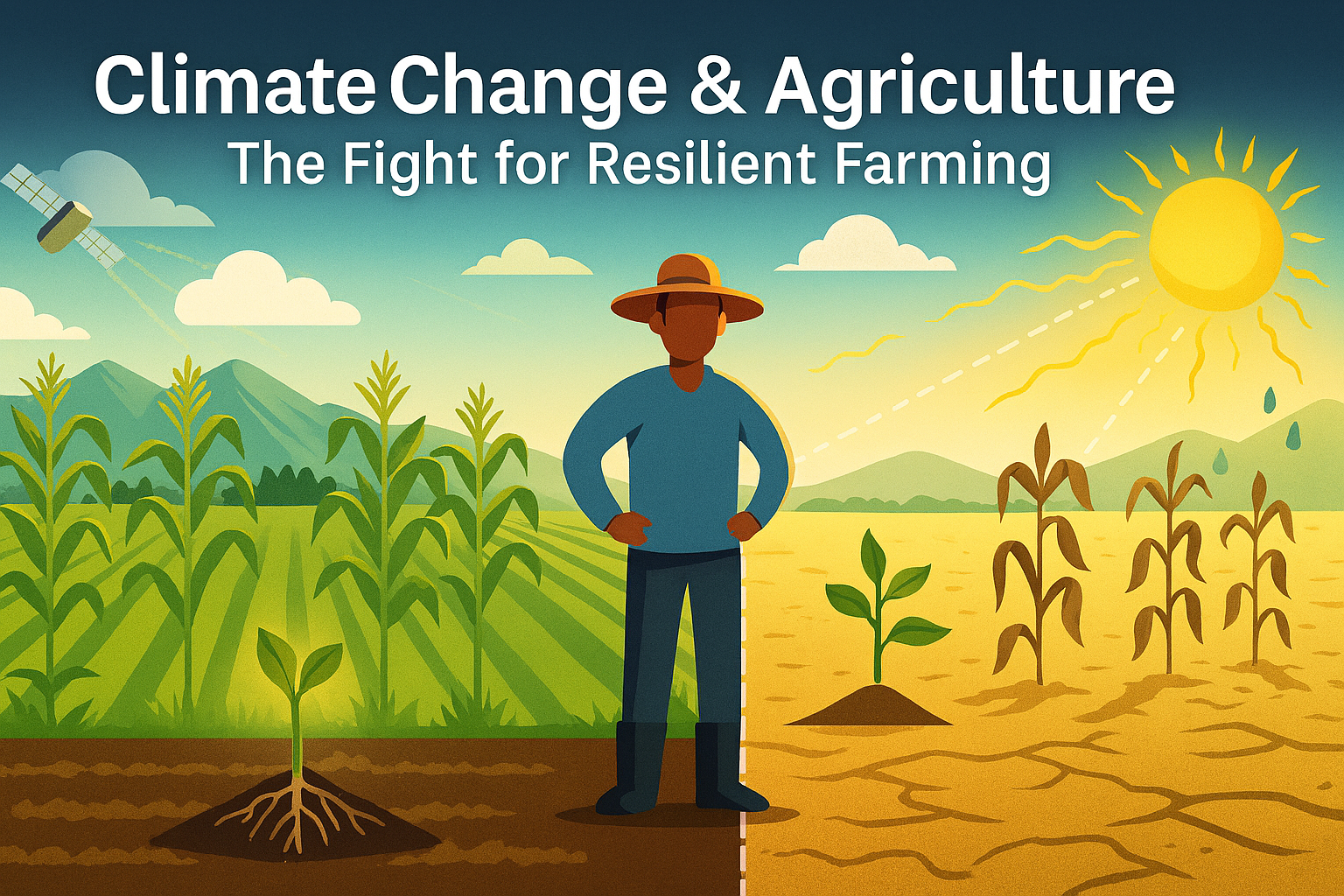
When the air gets hotter, crops yield less. Livestock eat less, drink more, and grow more slowly. Fisheries shift, sometimes permanently. Food gets scarcer or arrives in worse condition, and the cost of getting it from field to plate goes up.
When the air gets hotter, electricity demand spikes. Air conditioning, refrigeration, and water pumping all surge at the same time, often during the very hours generation is most strained. Power becomes more expensive, which lifts the price of every item that has to be cooled, lit, or manufactured.
When storms intensify, they damage roads, bridges, ports, warehouses, and the cables that move power. Repairing those things is expensive. Ships reroute. Trucks idle. Goods take longer to arrive and cost more when they do.
When disasters become more common, insurance premiums rise – often faster than wages. In some places, insurance simply becomes unavailable, which forces households and businesses to absorb the next disaster directly. Either way, the bill ends up somewhere.
When supply chains break, even briefly, the shock travels. A factory pauses because a flood took out a supplier. A retailer raises prices to cover the gap. A customer halfway around the world pays more for something they could not have predicted would be tied to the weather at all.
None of this is hypothetical. All of it is now showing up in price indexes.
Why It Will Get Harder to Untangle
For decades, central bankers treated climate as an environmental issue and inflation as a macroeconomic one. The two sat in separate rooms. They are now being moved into the same one.
Working papers from major monetary institutions have started modelling extreme weather as a recurring source of price pressure rather than a one-off shock. Scenario analyses now include heat stress, water scarcity, and disaster recovery alongside the usual variables. Some institutions have begun publishing climate-adjusted inflation projections – an admission that older models were quietly missing something important.
What makes climateflation harder to manage than the inflation policymakers are used to is that it is largely a supply-side problem. Raising interest rates can cool demand. It cannot make a drought less dry, an olive crop bigger, or a hurricane less destructive. The tools that built modern macroeconomic stability were not designed for shocks that come from the atmosphere.
There is also the question of persistence. A short heatwave passes and prices ease. But the latest assessments of the climate system suggest that heat extremes, water stress, and storm intensity are no longer rare deviations from a stable mean. They are the new mean. If that holds, the price shocks they cause will not be passing events. They will be the baseline.
What It Means for the Rest of Us
For households, climateflation is already arriving as small, recurring increases that rarely get traced back to their cause. A higher grocery bill in a year of drought. An insurance renewal that jumps after a flood season three counties away. An electricity bill that climbs through a heatwave even though usage was the same. These are climate costs paid by people who never set fire to a barrel of oil.
For farmers, the picture is harsher. The same heat that nudges a city dweller's bill up by a few percent can wipe out an entire planting. The producers absorbing the first hit are almost always the ones with the least cushion to absorb anything.
For policymakers, the next decade is a question of whether systems built for stable weather can be retrofitted for a less stable one. Adaptation – drought-resilient crops, climate-smart infrastructure, parametric insurance, decentralised energy, water-secure cities – is not a feel-good agenda anymore. It is the only credible price-stability strategy in a warming world.
The Bottom Line
The cost of climate change has often been described in terms of distant thresholds: degrees of warming, meters of sea-level rise, percentages of global GDP a few decades out. Those numbers still matter. But the more immediate cost is now visible at the till.
The receipts already know what the policy debate is still catching up to. The weather is no longer in the background of the economy. It is becoming one of its prices.