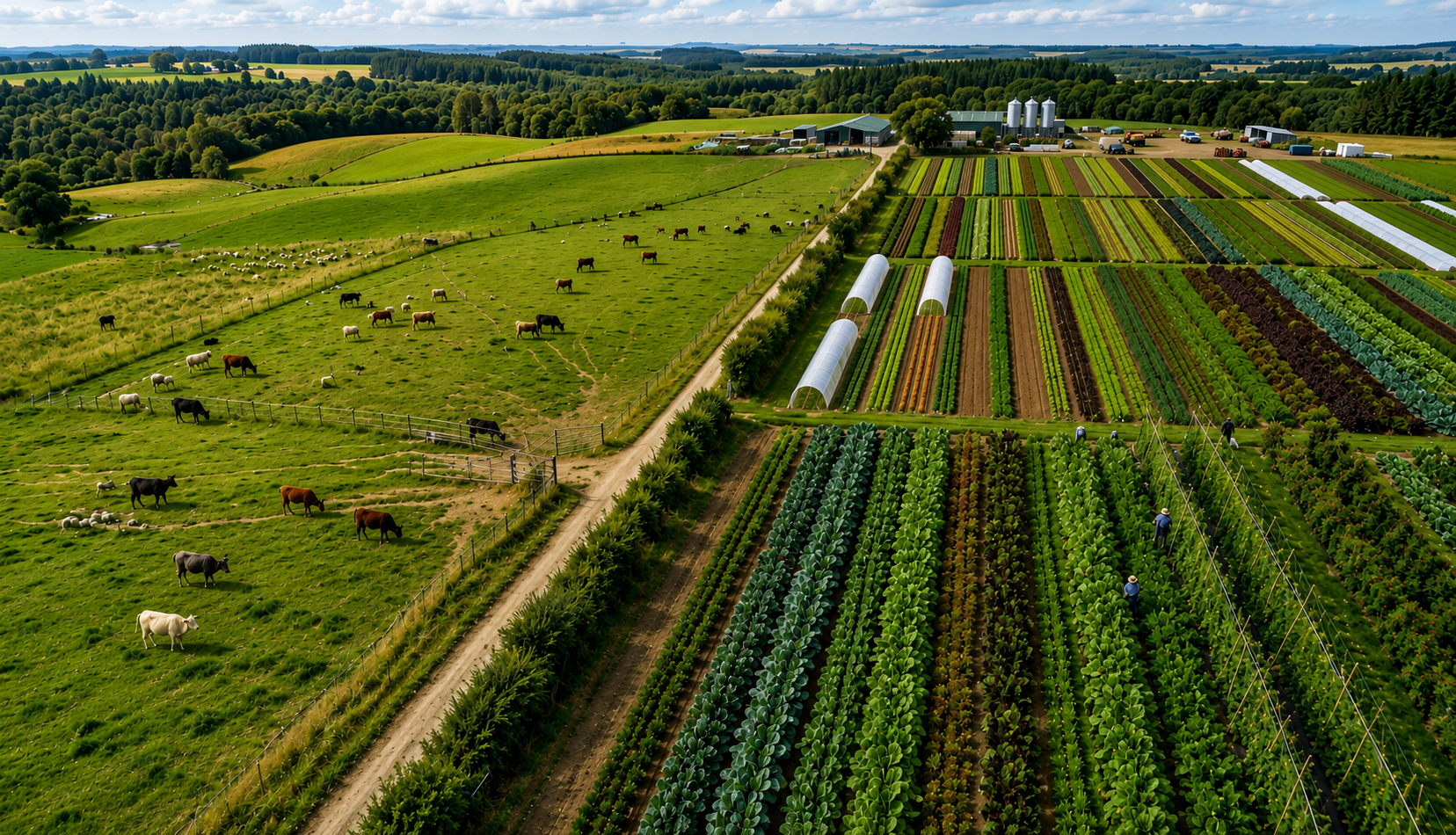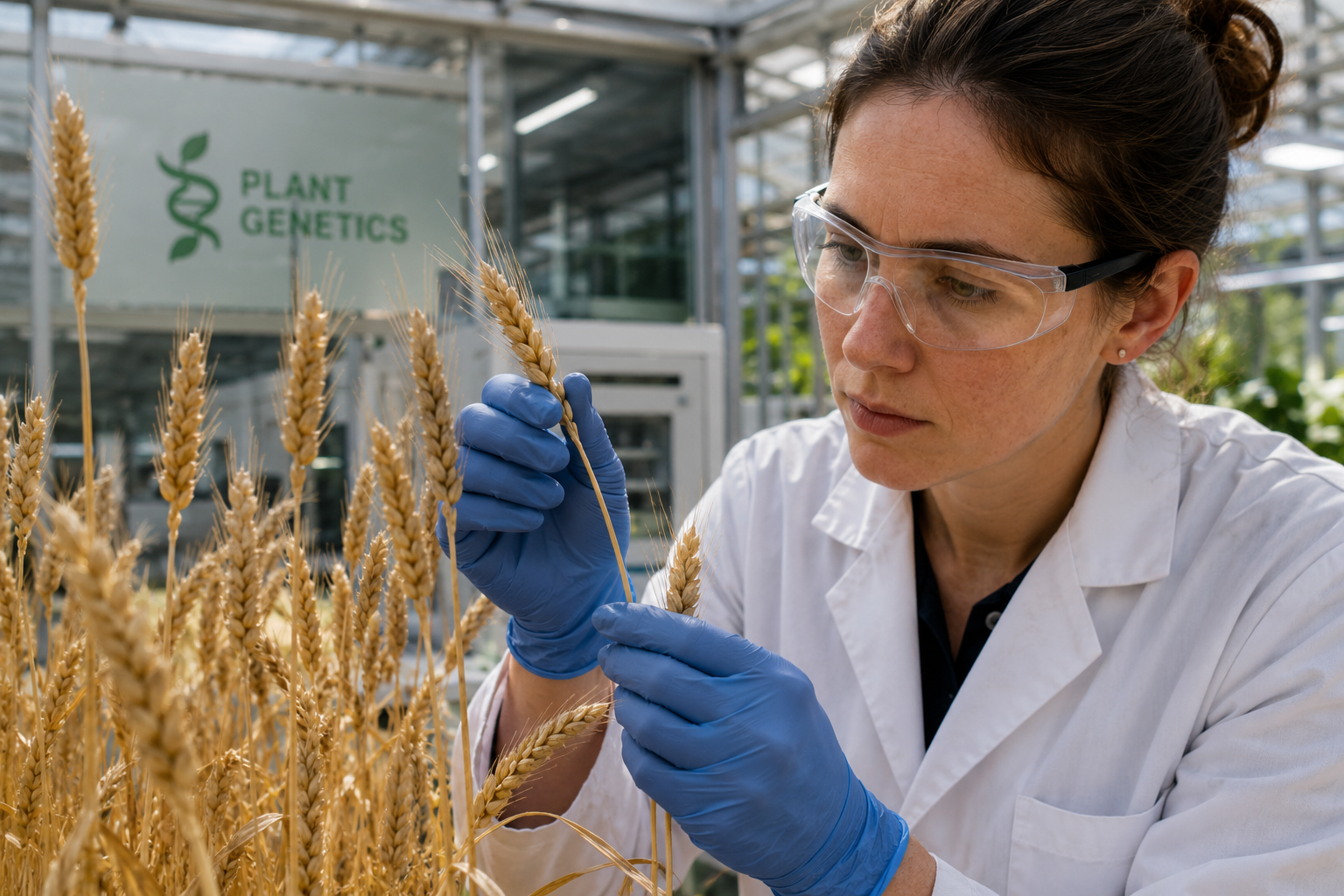
The job market for agriculture, food science, and environmental resource graduates remains robust, with annual openings far exceeding the supply of qualified candidates entering the workforce.
Recent employment projections forecast approximately 104,766 annual job openings in food, agriculture, renewable resources, and environmental fields between 2025 and 2030. This data, derived from the US Bureau of Labor Statistics employment figures and analysis of position announcements, reveals a significant talent gap in the sector.
Supply-Demand Imbalance Persists
Graduates with agriculture-related degrees will fill just 48% of available positions. Another 25% will come from allied disciplines, while the remaining 27% will be filled by candidates from unrelated fields—including roughly 10% without college degrees. This mismatch between employer needs and graduate supply has persisted for years, creating sustained opportunities for those entering the field.
Where the Jobs Are
Employment opportunities cluster in four main areas:
Business and management (41% of openings) dominates the landscape, encompassing supply chain management, financial risk assessment, agricultural data analytics, and e-commerce roles. The sector's shift toward data-driven decision-making has made business acumen as valuable as technical agricultural knowledge.
Science and engineering (21%) includes traditional roles in agronomy and animal science alongside emerging positions in agricultural automation, food technology, and water systems management. Agricultural equipment operators represent one of the fastest-growing occupation categories, driven by precision agriculture adoption.
Production and biomaterials (19%) covers hands-on farm management, bioenergy development, and environmental stewardship—roles increasingly dependent on technology integration and sustainability practices.
Education and policy (19%) encompasses extension services, agricultural communications, and policy analysis positions serving government agencies and agricultural organizations.
Technology Reshapes Agricultural Careers
The transformation of agriculture from manual labor to technology-intensive operations has fundamentally altered the skills employers seek. Data analysis, automation management, and systems integration now rank alongside agronomic knowledge in job requirements. This shift explains why business and engineering roles now constitute 62% of available positions.
Traditional farmworker employment continues its gradual decline—the US Bureau of Labor Statistics projects a 3% decrease in agricultural worker positions through 2034, even as specialized agricultural roles expand. However, this masks growth in precision agriculture, sustainable farming systems, and agricultural technology sectors.
Global Context
While employment data primarily reflects U.S. markets, similar trends appear worldwide. Developed economies including Germany, the UK, and Canada now employ just 1-2% of their workforce in agriculture, with most positions concentrated in technology, management, and processing rather than production. Developing regions, particularly in Africa where agriculture employs 50-80% of the workforce in some nations, face different challenges as they modernize agricultural systems while managing employment transitions.
Methodology Evolution
This latest employment forecast incorporates associate degree holders for the first time and employs web-scraping analysis of actual job postings—a more rigorous approach than previous reports dating back to 1980. The methodology shift partly explains the substantial increase from 59,400 projected annual openings in the previous five-year forecast.
Bottom Line
The agricultural sector offers sustained career opportunities, particularly for those combining technical expertise with business or technology skills. The persistent gap between available positions and qualified graduates suggests this trend will continue, making agriculture-related education a sound investment for those interested in food systems, environmental management, or resource sustainability.
The data makes clear that modern agriculture bears little resemblance to traditional farming stereotypes—it's a technology-driven, data-intensive sector requiring sophisticated skills and offering competitive career paths.