Global agriculture stands at a crossroads. While food production has intensified, it carries hidden costs that traditional accounting ignores—degraded soil, polluted water, and collapsing ecosystems.
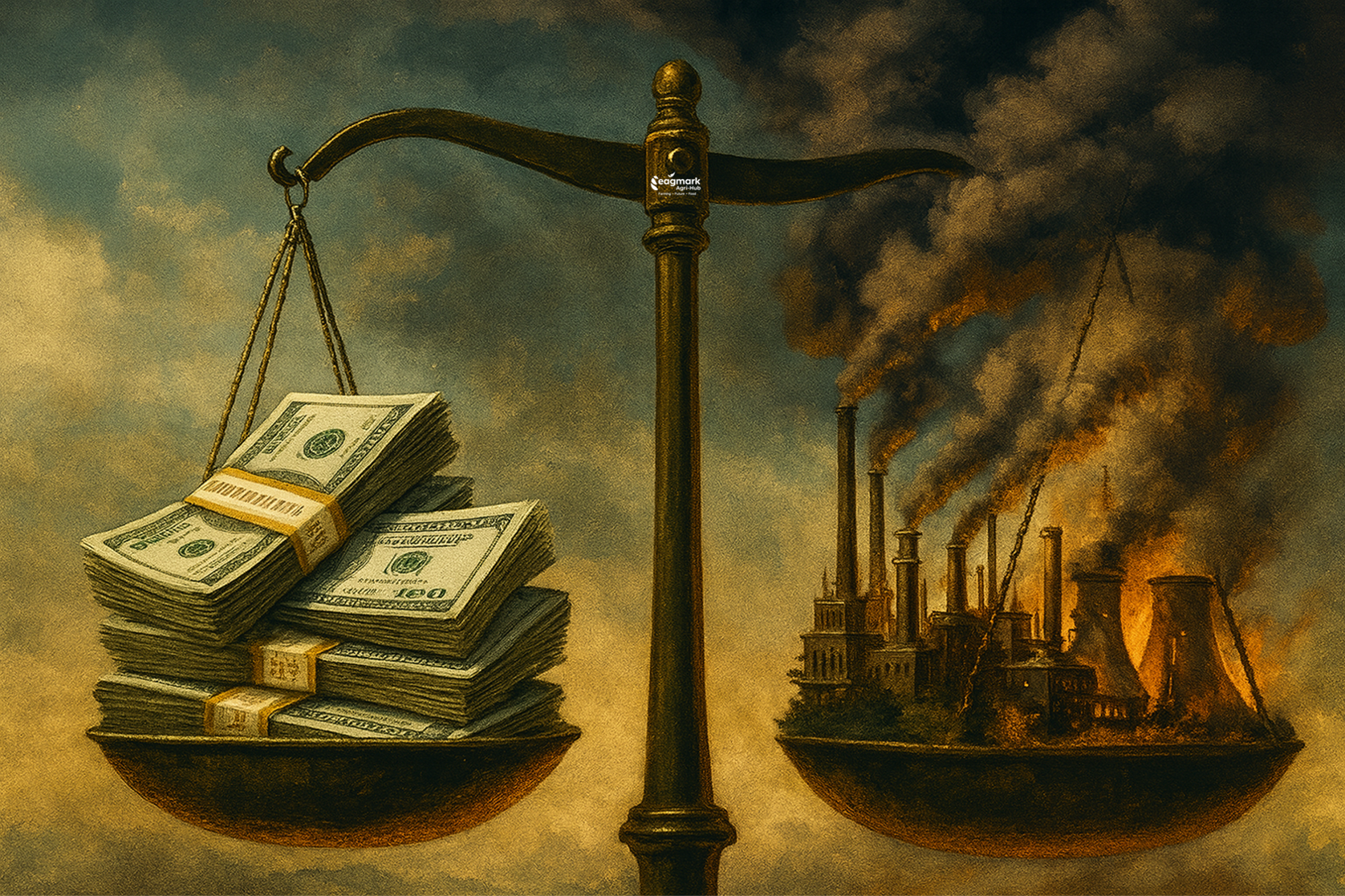
At the Organic Summit 2025 conference, Dutch organic sector leader Volkert Engelsman argued that current definitions of profit and GDP fail to capture the true cost of production. "Nobody sets out to warm the climate or destroy biodiversity," he noted, "yet that's the outcome when we measure success purely in financial terms."
Financial Sector's Climate Awakening
The push for environmental accountability is gaining traction in unexpected places. For example, the Task Force on Climate-related Financial Disclosures, established by the Financial Stability Board, introduced frameworks requiring companies to report climate-related financial risks. Former Bank of Canada and Bank of England Governor Mark Carney championed these standards, pushing major financial institutions to stress-test corporate balance sheets against climate scenarios.
Finland experimented with broader GDP measurements under former Prime Minister Sanna Marin's government, incorporating the OECD Better Life Index metrics that factor in environmental quality, health, and social connections alongside economic output.
The True Cost of Food Production
Several European initiatives now calculate the environmental costs hidden in food prices. Water utilities, beverage manufacturers, and agricultural companies have formed coalitions to address nitrogen and pesticide pollution at its source—finding prevention cheaper than remediation.
These groups compensate organic farmers for maintaining clean water catchment areas through ecosystem service contracts. Remote sensing and satellite monitoring replace traditional paperwork, reducing administrative burden while improving accuracy.
One European retailer published the full environmental cost of conventional ground beef—triple its shelf price when accounting for soil degradation, water pollution, and biodiversity loss. The transparency shifted consumer purchasing patterns significantly.
Enroll in the Climate-Smart Agriculture Course
Soil Loss: The Invisible Crisis
The UN Food and Agriculture Organization reports annual losses of fertile soil that demand urgent response. Current agricultural practices in many regions prioritize short-term yields over long-term soil health, creating a sustainability crisis that conventional accounting overlooks.
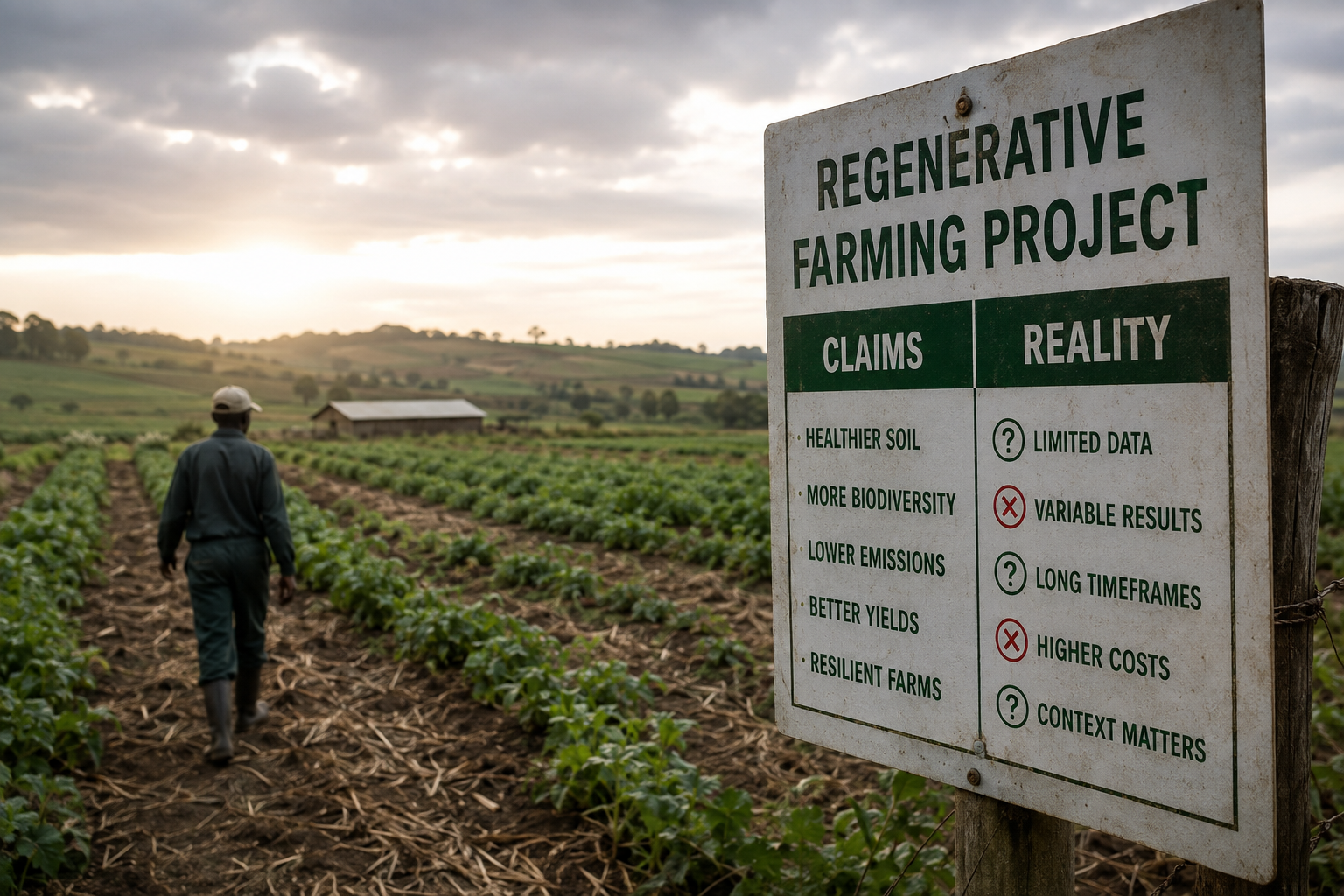
Critics point to agrochemical companies claiming regenerative practices while their products contribute to water contamination and ecosystem disruption. Single-metric sustainability claims—such as reduced tillage increasing carbon sequestration—ignore broader environmental impacts.
What Comes Next
The movement toward comprehensive environmental accounting faces significant obstacles. Traditional economic frameworks resist change, and implementing new measurement systems requires coordination across industries and borders.
Yet momentum is building. Legal victories by environmental organizations against governments and corporations for inadequate climate action create new precedents. Financial institutions increasingly factor environmental risks into lending decisions. Consumers demand transparency about production methods.
The question isn't whether economic metrics will evolve to include environmental costs—but how quickly this transformation will occur, and whether it will happen fast enough to prevent irreversible damage to agricultural systems worldwide.