Every time a tractor crosses a field, it burns fuel. Every pass with a disk, cultivator, or chisel plow adds wear to the machine, compresses the soil, and chips away at the season's margins. For many operations, tillage is the single most fuel-intensive activity of the growing year – and in a market where input costs keep climbing, that matters more than ever.
Which raises a straightforward question: how many of those passes are actually necessary?
The hidden cost of turning soil
Conventional tillage systems typically require multiple passes before a single seed goes into the ground. Disking, cultivating, chiselling – each operation demands high-horsepower equipment, each burns fuel, and each adds hours of labour. Studies consistently show that conventional systems consume roughly three times the fuel per hectare compared to no-till approaches.
That difference is not marginal. It is structural.
At current fuel prices, the gap translates to significant per-hectare savings – money that goes straight back into the operation's bottom line. Scale that across hundreds or thousands of hectares, and the numbers become difficult to ignore.
But fuel is only part of the equation.
The machinery cost most producers underestimate
Every field pass puts stress on equipment. Bearings wear. Hydraulic systems degrade. Implements need replacement parts. Research shows that conventional tillage can increase equipment-related costs substantially – not just from the purchase price of heavier machinery, but from the ongoing maintenance cycle that intensive field work demands.
Producers running conventional systems commonly report maintenance and repair costs that are 30% to 50% higher than those using reduced-tillage or no-till approaches. That is not a one-year difference. It compounds season after season.
Fewer passes mean fewer breakdowns, longer equipment life, and less time in the shop during the weeks when every day in the field counts.
What the field data actually shows
Side-by-side comparisons between conventional and no-till systems tell a consistent story:
Fuel use drops by up to 65% when moving from full conventional tillage to no-till
Equipment operating costs decrease measurably – often in the range of a significant per-hectare reduction
Total input costs fall without a corresponding drop in yield, particularly in systems where soil health has been built up over multiple seasons
These are not theoretical projections. They are field-level results, replicated across diverse cropping systems and soil types.
It is not just about the money
The economic case for reducing tillage is strong on its own. But the environmental benefits reinforce it.
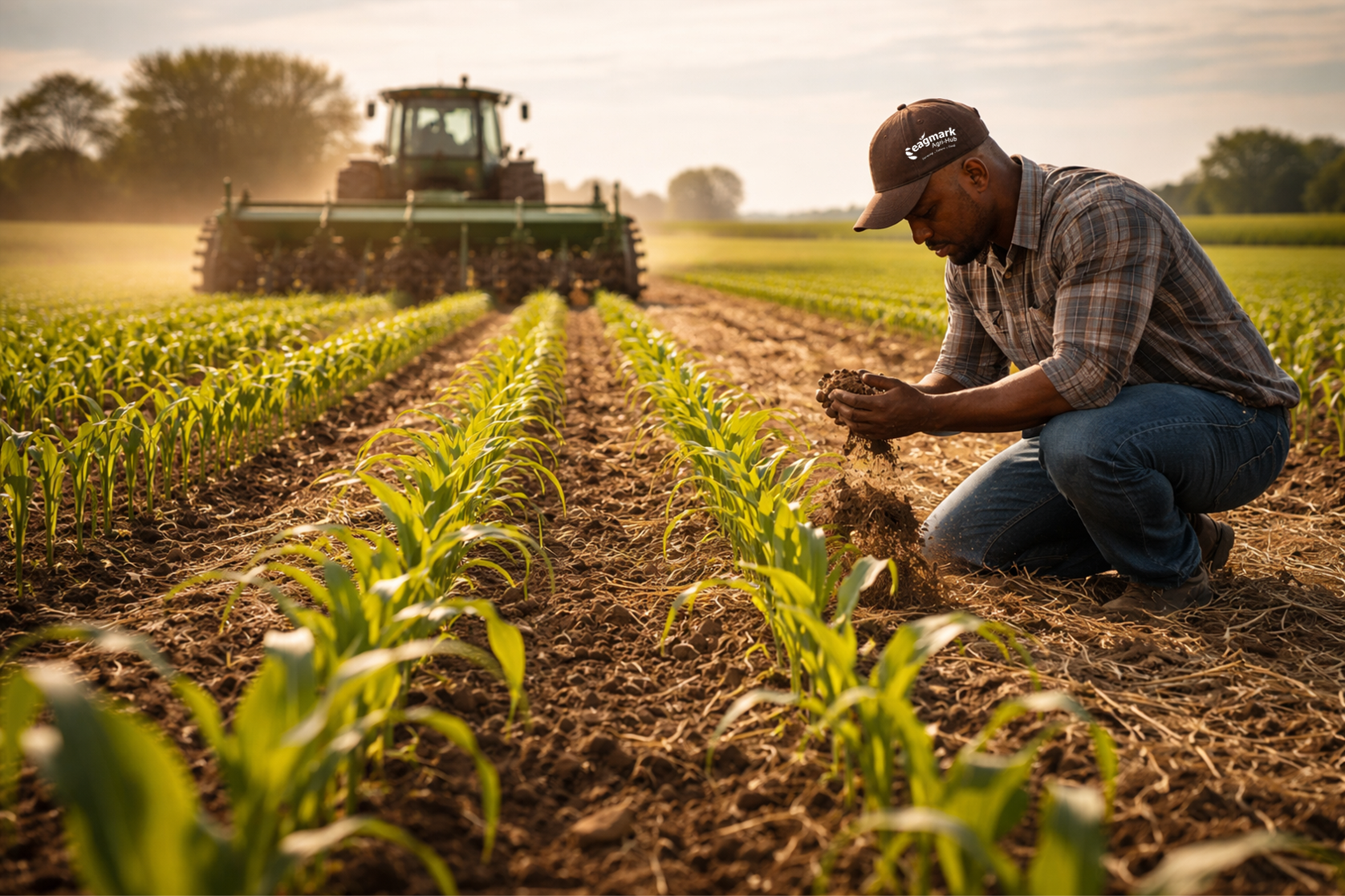
Less fuel burned means lower carbon emissions per unit of production. Undisturbed soil retains more moisture, builds organic matter over time, and supports the biological systems that drive long-term fertility. Reduced erosion protects topsoil – the most valuable asset on any farm – from wind and water loss.
These are not trade-offs. They are compounding advantages. The same practice that lowers costs also strengthens the resource base that future seasons depend on.
The real question
No-till is not a universal solution for every field, every crop, or every climate. Transition takes time, and the first few seasons can require adjustments in weed management, residue handling, and planting equipment.
But the trend is clear: as fuel prices rise, equipment costs increase, and margins tighten, the operations that are eliminating unnecessary field passes are the ones keeping more of what they earn.
The question is not whether you can afford to try no-till. Increasingly, it is whether you can afford not to.