For more than a decade, the conversation around agricultural innovation has been stuck in a false debate: old versus new, chemistry versus biology, tradition versus technology. This framing has shaped everything from how research is funded to how farmers perceive the tools available to them.
But here is the truth most people in the industry already know – farming has never operated in extremes. The most productive, sustainable, and economically resilient operations are not the ones choosing sides. They are the ones combining everything that works.
The myth of replacement
There is a persistent assumption that every new solution must displace an existing one. If a product is biological, it must be intended to replace a chemical. If a tool reduces environmental impact, it must sacrifice effectiveness. If an approach is inspired by nature, it is automatically positioned as the enemy of convention.
This thinking is not just inaccurate – it is actively slowing progress.
It turns practical questions into ideological standoffs. It pressures innovators to position themselves against the very systems farmers depend on today. And it ignores the reality that modern farming is an interconnected web of decisions – yield targets, soil health, climate variability, labor shortages, market volatility, and regulatory requirements all pulling at once.
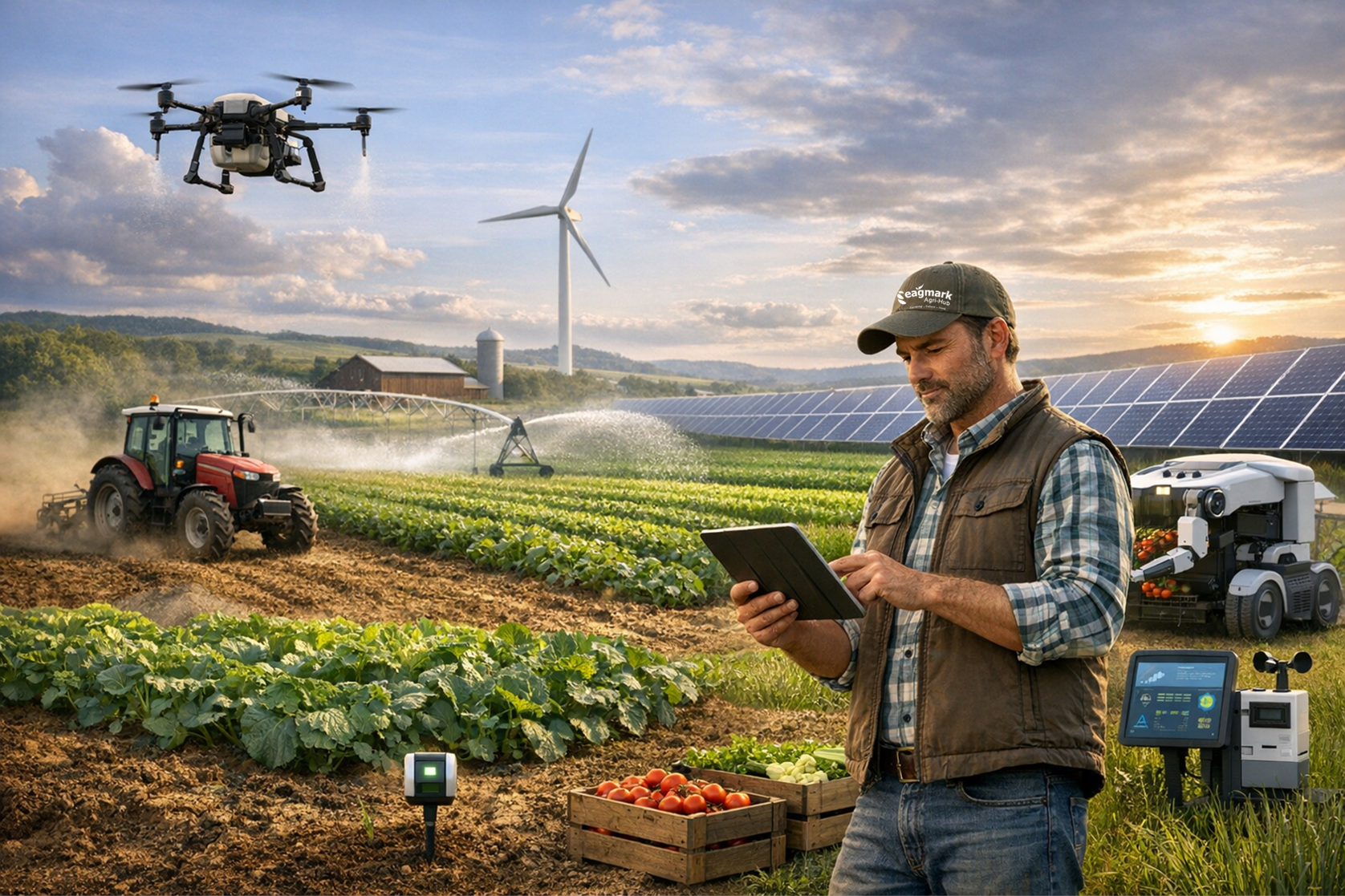
No single category of tool can address all of that. The farms that will thrive in the coming decades are the ones assembling the most intelligent combination of solutions – not the ones picking a lane.
Farmers are not the bottleneck
Another misconception that deserves to be challenged: farmers are resistant to change. The evidence says otherwise.
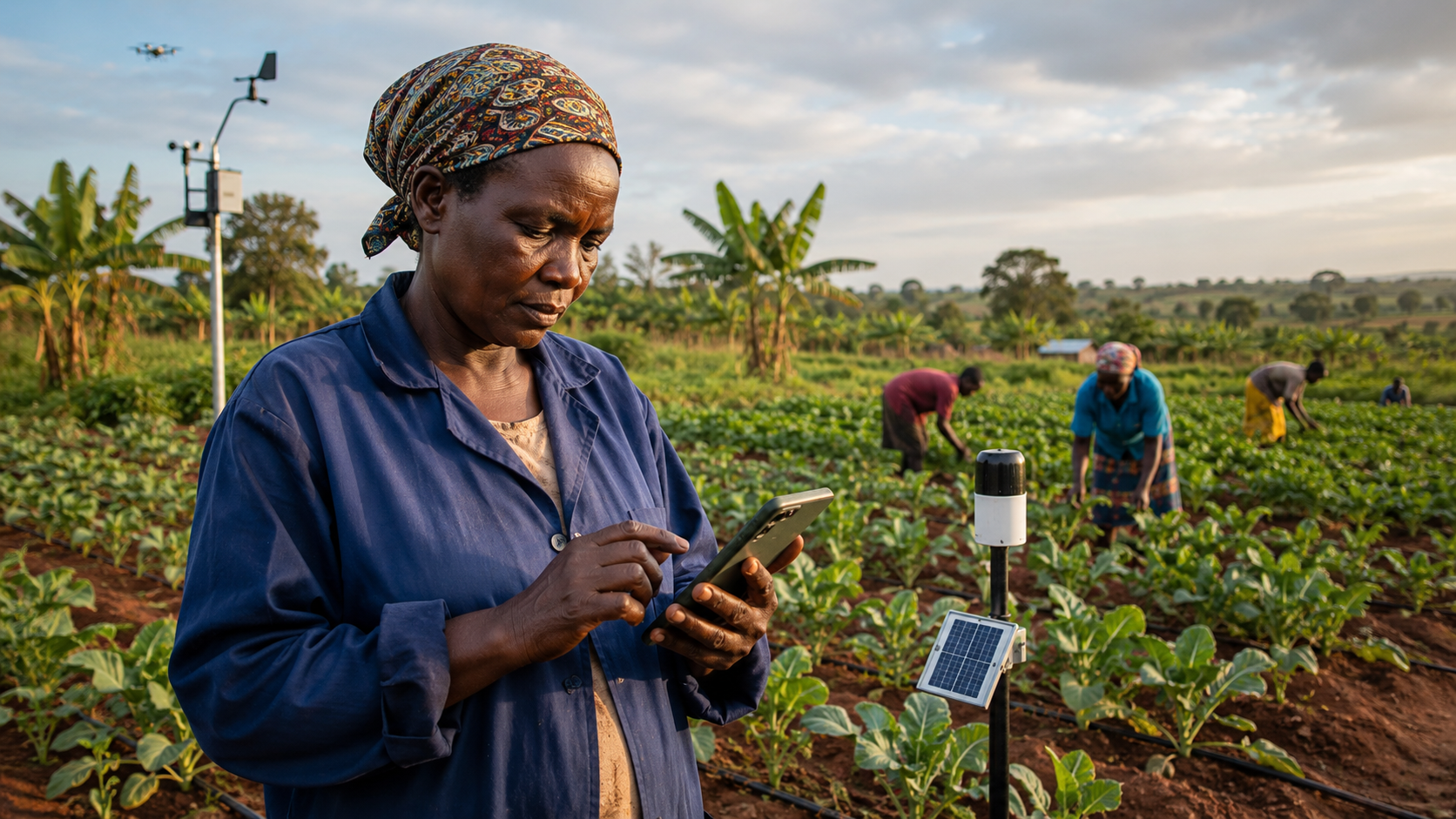
Across the world's major agricultural regions, growers are actively testing, integrating, and scaling new approaches. Biological crop protection alone has grown into a multi-billion-dollar market globally, with some regions reporting adoption rates that consistently outpace projections. In areas with streamlined approval pathways and broad product access, uptake has been rapid and enthusiastic.
Where adoption is slower, the barrier is rarely farmer willingness. It is almost always access – limited product availability, lengthy approval timelines, or regulatory frameworks that were designed for a different era of inputs. When proven, reliable, and scalable solutions reach the field, farmers use them. That pattern holds across every continent and every crop system.
The limiting factor is not interest. It is infrastructure.
Regulation as an enabler, not just a gatekeeper
The world's most rigorous regulatory environments exist for good reason – to protect human health, food safety, and ecosystems. These standards are a strength, not a weakness.
But as the tools available to farmers evolve, the systems that evaluate and approve them must evolve too. New categories of solutions – peptides, microbiome-based products, AI-driven application systems – do not always fit neatly into frameworks built around conventional chemistry. When approval timelines stretch beyond what the science demands, it is not safety that suffers – it is the farmer who is left waiting for tools that could already be making a difference.
The goal is shared by everyone in the system: give farmers access to safe, effective, and diverse solutions that strengthen both productivity and long-term sustainability. Achieving that requires continuous dialogue between science, industry, and the bodies that set the rules.
The real question
The future of agriculture will not be defined by which category of technology wins. It will be defined by how intelligently we combine them.
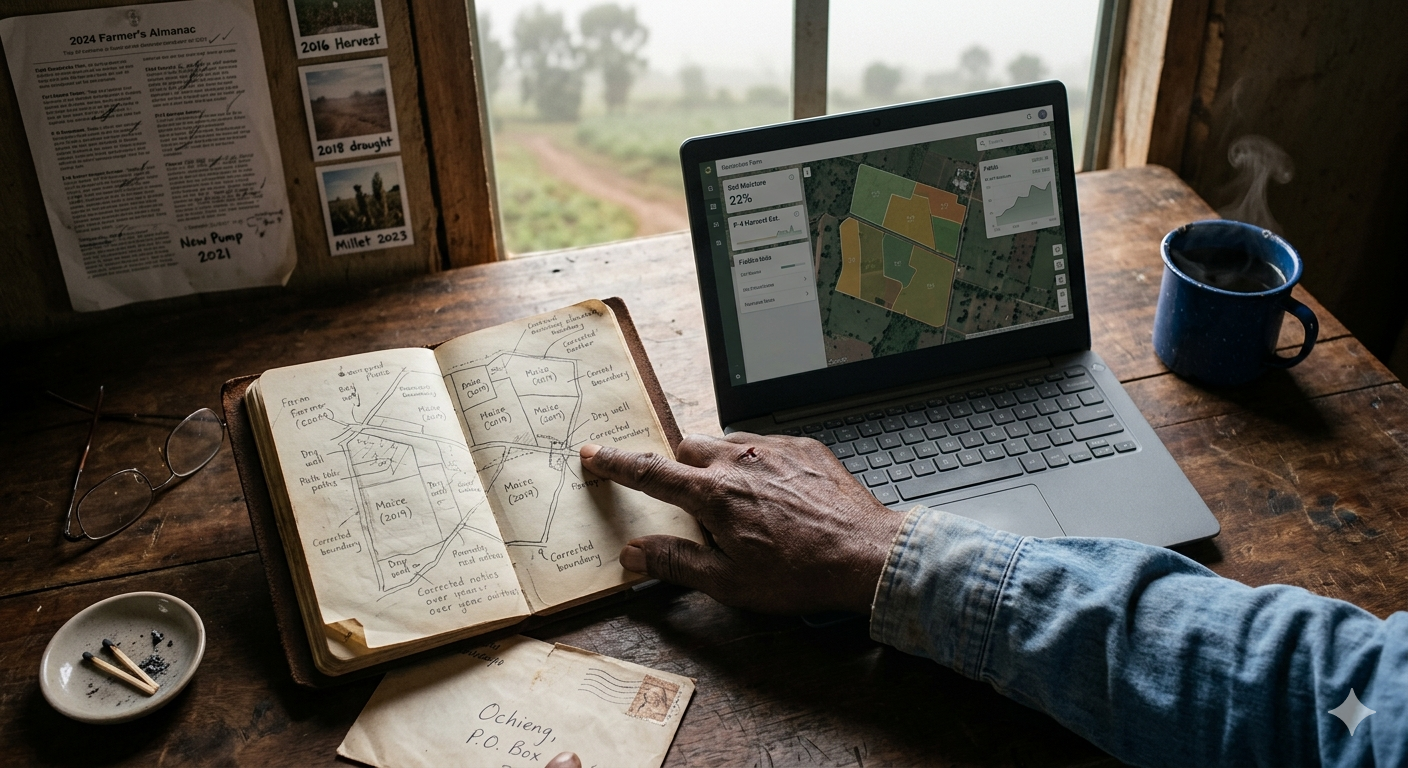
Chemicals will remain essential in many contexts. Biological solutions will continue to expand, bringing new mechanisms and new possibilities. Data, artificial intelligence, and precision tools will accelerate how quickly we discover, test, and optimise. And farmers will continue doing what they have always done – adapting, combining, and making the best decision they can with the tools they have.
This will not be a revolution. It will be an evolution – steady, practical, and driven by results.
The right question is not "What will replace what we use today?" It is: How do we build the most effective combination of tools to protect yields, restore soil, reduce environmental impact, and keep farming economically viable for the people who do it?
Every category of innovation has a role to play. But only if we stop treating progress as a competition between them and start treating it as a collective effort to build more resilient food systems.
The future of farming is not either/or. It is everything together.