Kenya's Ministry of Agriculture has assumed full ownership of the Kenya Integrated Agriculture Management Information System (KIAMIS), a digital platform that now hosts more than 7.1 million registered crop and livestock farmers. The formal handover took place during the Intergovernmental Forum on Agriculture in Naivasha on November 28, 2025.
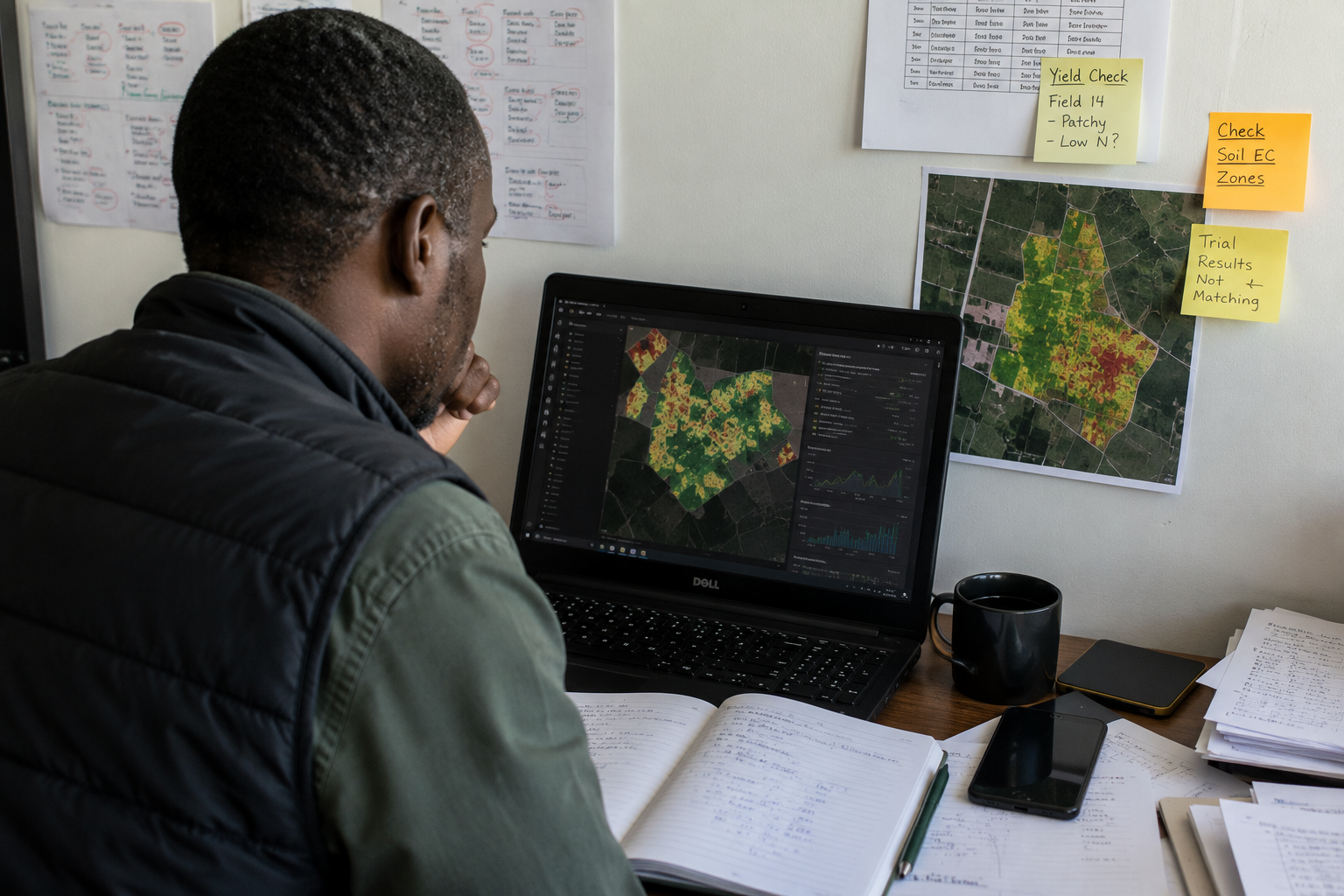
The platform will be housed at the newly restructured Kenya Agriculture Data and Information Centre (KADIC), formerly known as the Agricultural Information Resource Centre (AIRC). This positions KADIC as the country's central hub for agricultural data, supporting policy decisions, farmer verification, input distribution, and digital extension services.
What This Means for Farmers
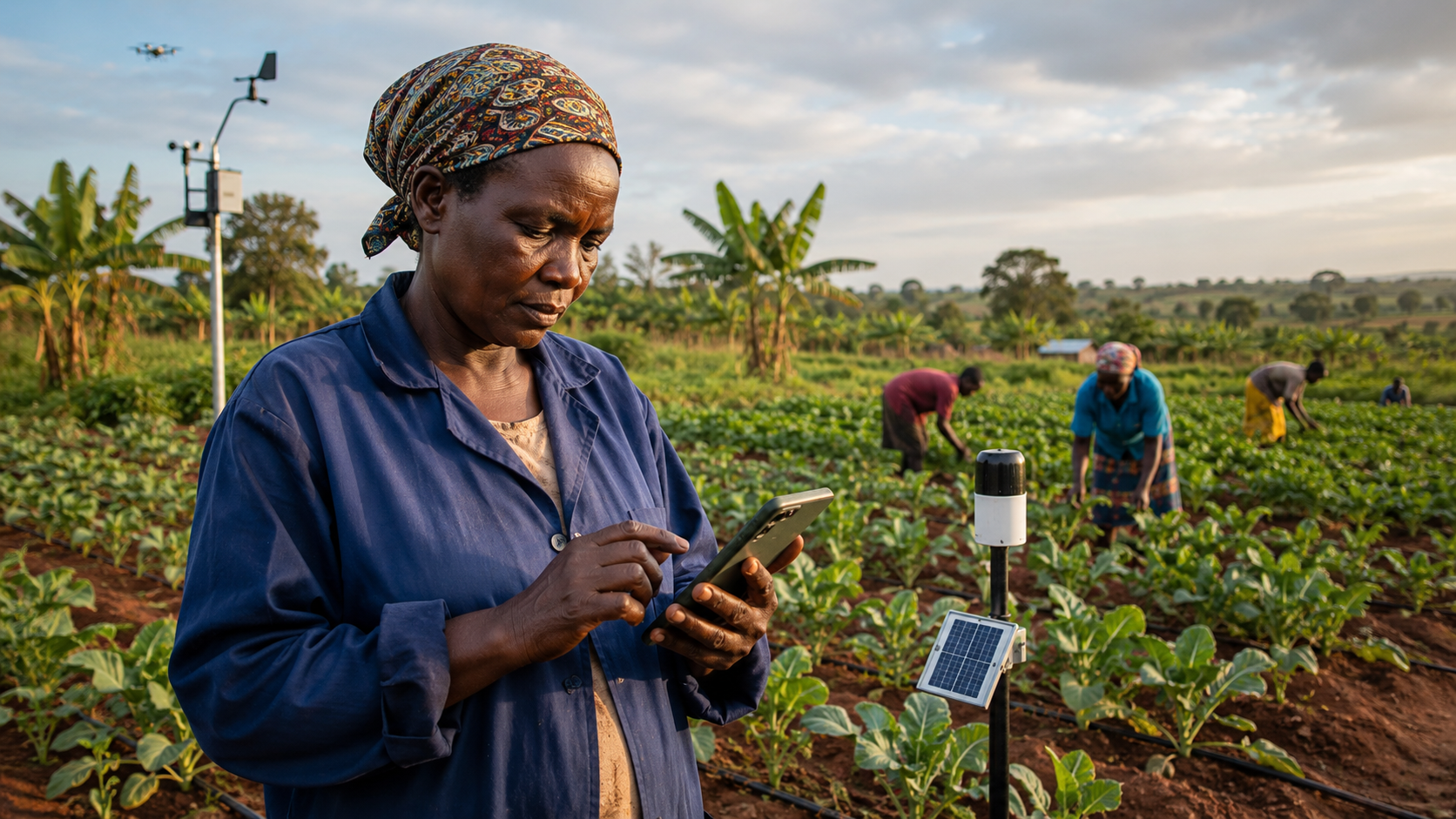
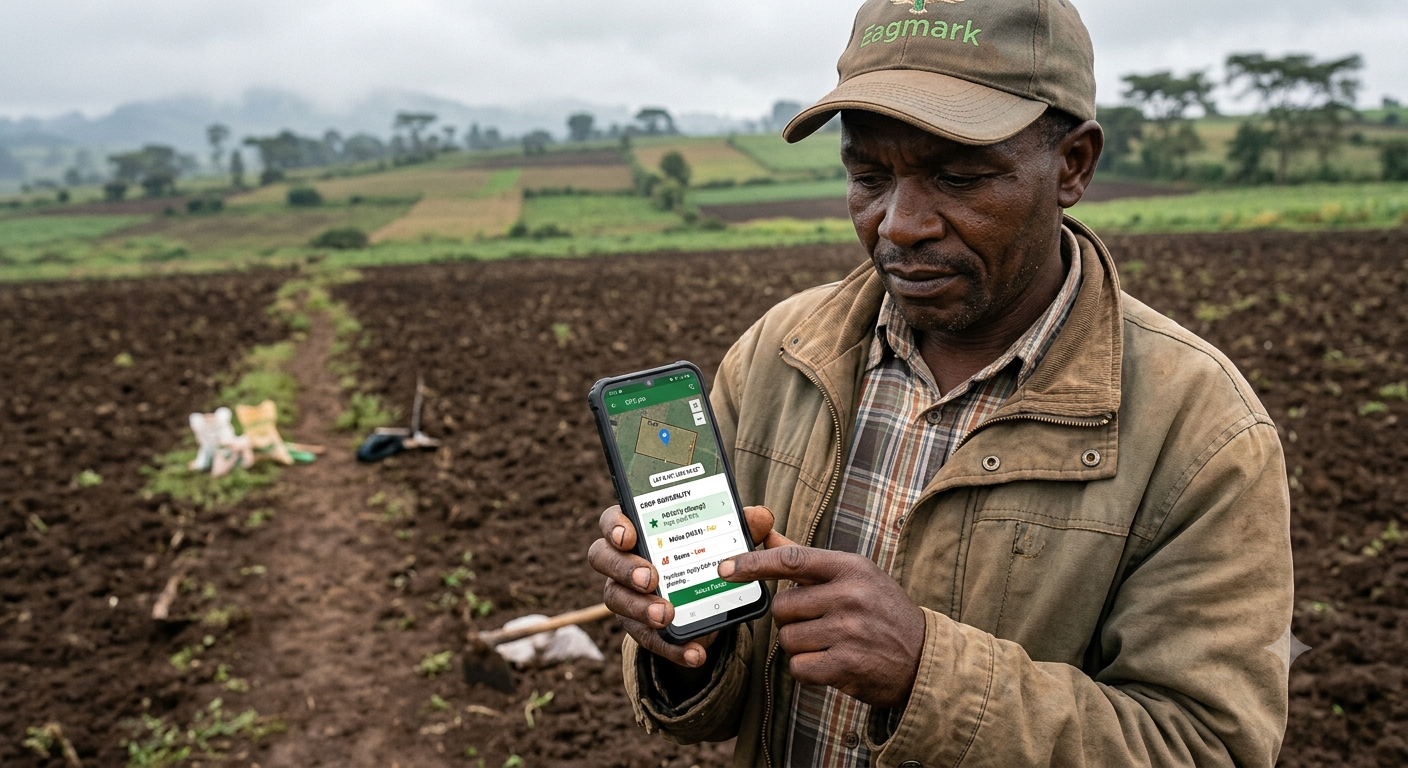
The system enables direct delivery of agricultural services via mobile phones—through KIAMIS, the government has rolled out an e-voucher registration system, accessible and manageable by farmers through their mobile phones. During the short rains season, close to 1.8 million vouchers were issued to farmers for subsidized fertilizer.
Digital farmer registration is increasingly recognized as foundational infrastructure for agricultural transformation across Africa. South Africa, Mozambique, and Bangladesh have undertaken exchange visits to Kenya to kickstart their development of national agriculture management information systems.
Livestock Traceability Joins the Platform
KADIC now oversees two national systems following the integration of KIAMIS with ANITRAC—Kenya's livestock identification and traceability platform launched in May 2025. The system aims to tag every animal with a chip containing details such as ownership, breed, weight, and vaccination records.
Enroll in our Sustainable Livestock Management course
The reported impact has been significant: since the rollout of ANITRAC, Kenya's meat exports have grown by 45 percent. The platform allows importers to verify all details in real time, with vaccination records, farm practices, and animal movement permits fully captured to meet international export requirements.
This matters because only seven of Kenya's 1,000 slaughterhouses currently meet international export standards. Traceability systems are increasingly becoming prerequisites for accessing premium global markets.
The Broader African Context
Kenya's approach reflects a continent-wide trend. Zambia's ZIAMIS platform integrates farmer registration with e-vouchers and extension services, with farmers receiving digital advisories recording maize productivity of up to 3.4 tonnes per hectare, compared to the national average of 2.14 tonnes.
In West Africa, Côte d'Ivoire's Agristore platform helped over 400,000 individuals gain improved access to markets. Ghana's Agriculture and Agribusiness Platform has distributed $40 million worth of inputs to 155,000 smallholder farmers.
Ethiopia's Digital Agriculture Roadmap 2025-2032 is projected to reach 30 million farmers and increase farmer income by 8% after five years.
Despite progress, scaling digital agriculture faces real obstacles. For most of sub-Saharan Africa, the average cost of an entry-level mobile device accounts for more than 70 percent of the monthly income of farmers, compared with 17 percent in India. Additionally, in Sub-Saharan Africa, most digital applications have less than 30 percent active users.
The success of platforms like KIAMIS will ultimately depend on whether they deliver tangible value—better prices, timely inputs, and actionable information—to the farmers they're designed to serve.