There is a strange pattern in how the world eats. Many places with rich soil, plenty of sun, and no shortage of willing farmers still send their raw crops abroad, only to buy back the finished food at a higher price. The grain leaves as grain and returns as bread, pasta, or cooking oil. With every round trip, the value, the jobs, and the profit are earned somewhere else.
Turning that pattern around is the quiet work behind self-reliant food systems, and it starts with a simple principle: food is best produced close to where it is eaten. When more of the work happens near home, from growing to milling to packaging, a community keeps more of what it creates. Prices steady. Jobs appear. And the whole system becomes far less exposed to shocks on the other side of the planet.
For that to happen, the people who grow the food have to be able to sell it. One of the oldest problems in farming is not producing a crop but finding a reliable buyer for it. A farmer with a good harvest and no market is not much better off than one who grew nothing at all. So the first task is connection, linking growers to steady demand, whether that demand is the shop down the road or a factory a few towns over. When farmers know there is a buyer waiting, they plant with confidence.
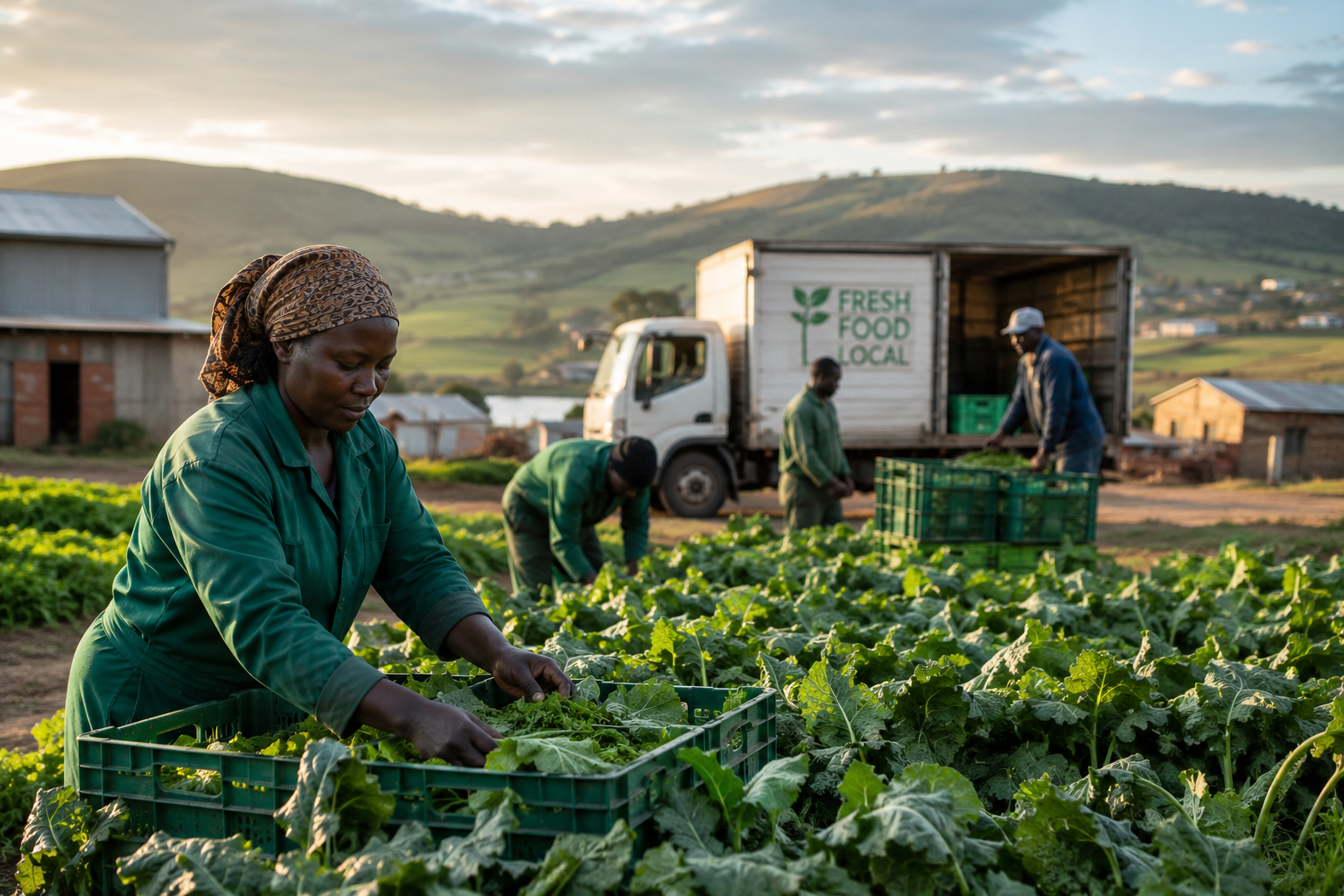
The next task is to build what sits between the field and the plate. Storage so harvests are not lost. Transport so food moves before it spoils. Above all, local processing, the mills, crushers, and factories that turn a raw crop into something people actually cook with. This is where a place stops exporting its potential and starts keeping it. A crushing plant that buys locally grown beans creates demand for farmers and supplies cooking oil to families at the same time. One investment, two problems solved.
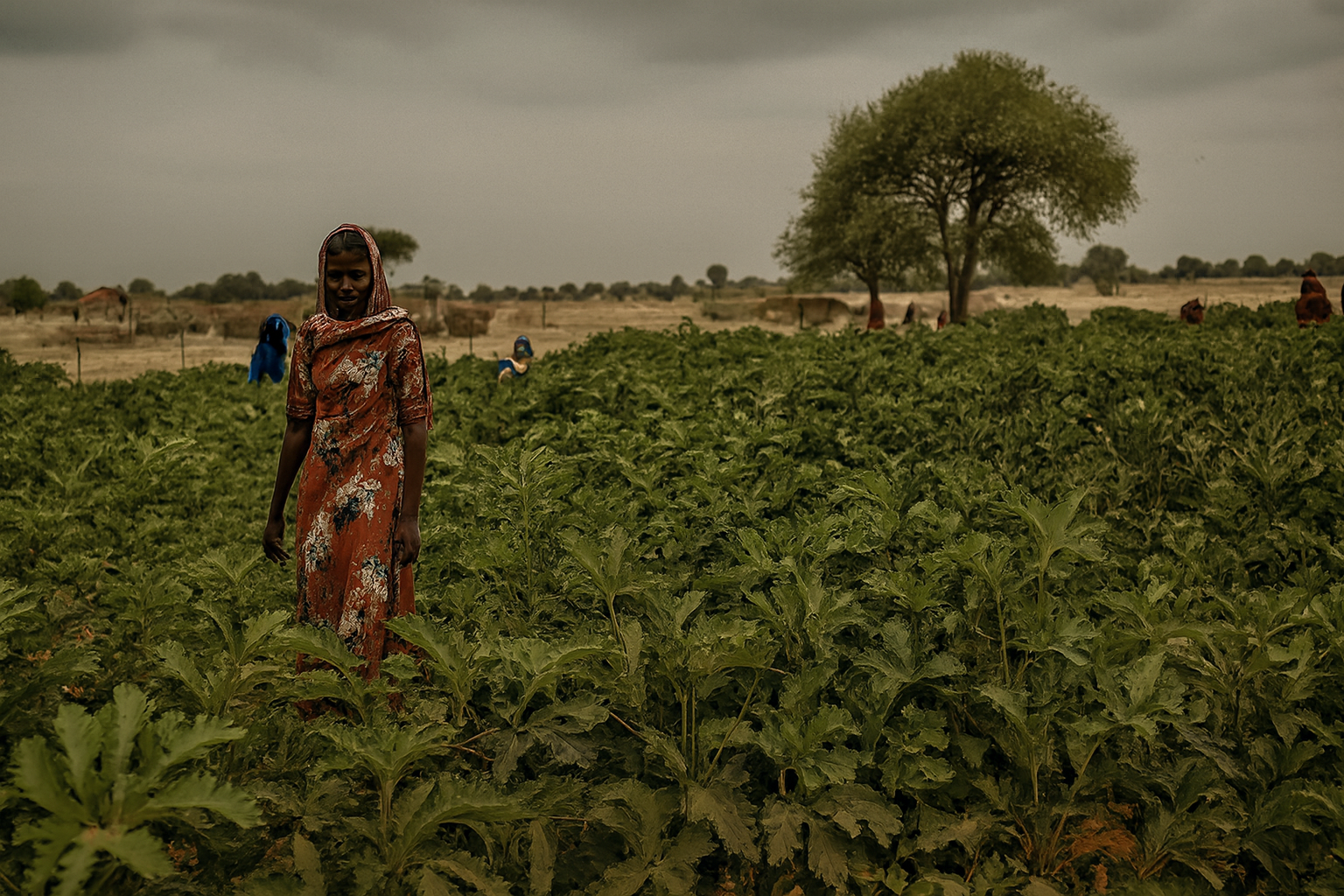
None of this lasts, though, if the land itself gives out. The longer view is that food security and sustainability are the same goal seen from different angles. Feeding more people while the climate grows less predictable means farming in a way that leaves the soil healthier than it found it. That points toward practices that rebuild soil, protect the variety of life on a farm, and use water and inputs carefully. It also points toward better seeds, varieties bred to handle heat and drought, so a harder season does not wipe out a season's work. These methods only take hold, however, when they also pay. A farmer will adopt what protects both the land and the household, not one at the expense of the other.
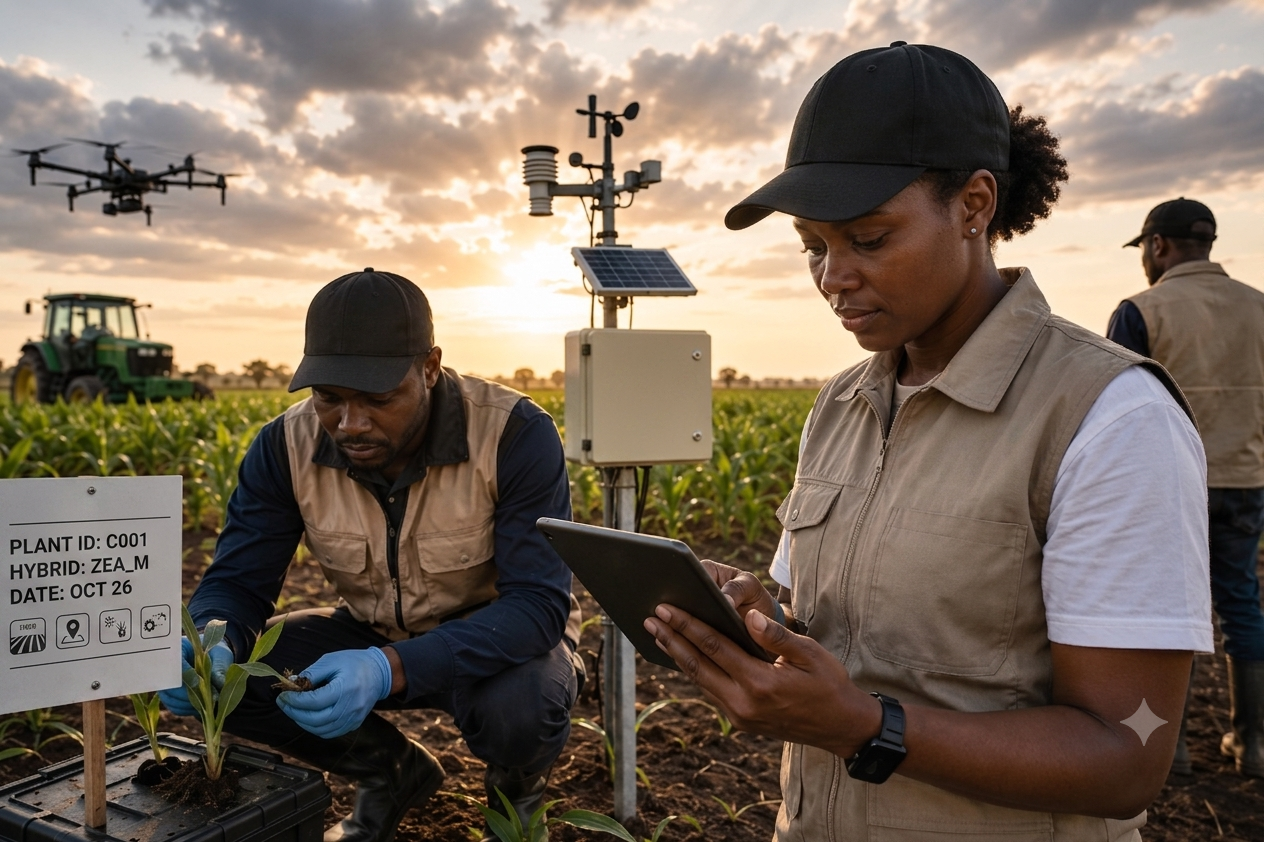
Technology has a real part to play here, from smarter planting advice to tools that let a buyer trace food back to the farm it came from. But technology on its own changes little. It earns its keep only when it reaches farmers alongside training, fair prices, and a market to sell into. A clever app in the hands of someone with no buyer solves nothing.
What ties all of this together is that no single group can do it alone. Farmers, companies, investors, and governments each hold a piece. Businesses bring money, skill, and reach. Governments set the conditions that make long-term investment worth the risk, with steady rules, working roads, dependable power, and honest food-safety systems. Progress comes from these pieces moving in the same direction.
In the end, feeding ourselves is not about shutting out the wider world. It is about standing more firmly within it. A place that can grow, process, and sell its own food is harder to knock off balance, and the people who farm it have more reason to stay, invest, and build. That kind of resilience is not bought in a single deal. It is grown, season after season, by the communities that decide their food is worth making at home.