Two besieged towns reach famine threshold as conflict weaponizes hunger
By September 2025, Sudan's humanitarian crisis had reached its most critical point. El Fasher in North Darfur and Kadugli in South Kordofan officially entered famine—a classification reserved for the most extreme hunger emergencies where starvation and death become commonplace.
The Numbers Tell a Stark Story
An estimated 21.2 million Sudanese—45 percent of the population—faced acute food insecurity during September's lean season. Within this figure, 375,000 people reached catastrophic conditions, while 6.3 million faced emergency-level hunger, according to UNICEF.
The town of Dilling in South Kordofan likely faces similar conditions to Kadugli, but restricted humanitarian access prevents official classification—itself an indicator of how isolated these communities have become.
Twenty additional areas across Darfur and Kordofan face imminent famine risk, with uncertainty around the conflict's progression heightening dangers for displaced populations arriving in these regions.
Why the Harvest Won't Help Everyone
Despite harvest season typically bringing relief, projections show only modest improvement—down to 19.2 million people facing crisis conditions between October 2025 and January 2026. In North Darfur and the Western Nuba Mountains, gains from the harvest remain severely limited due to ongoing conflict and insecurity.
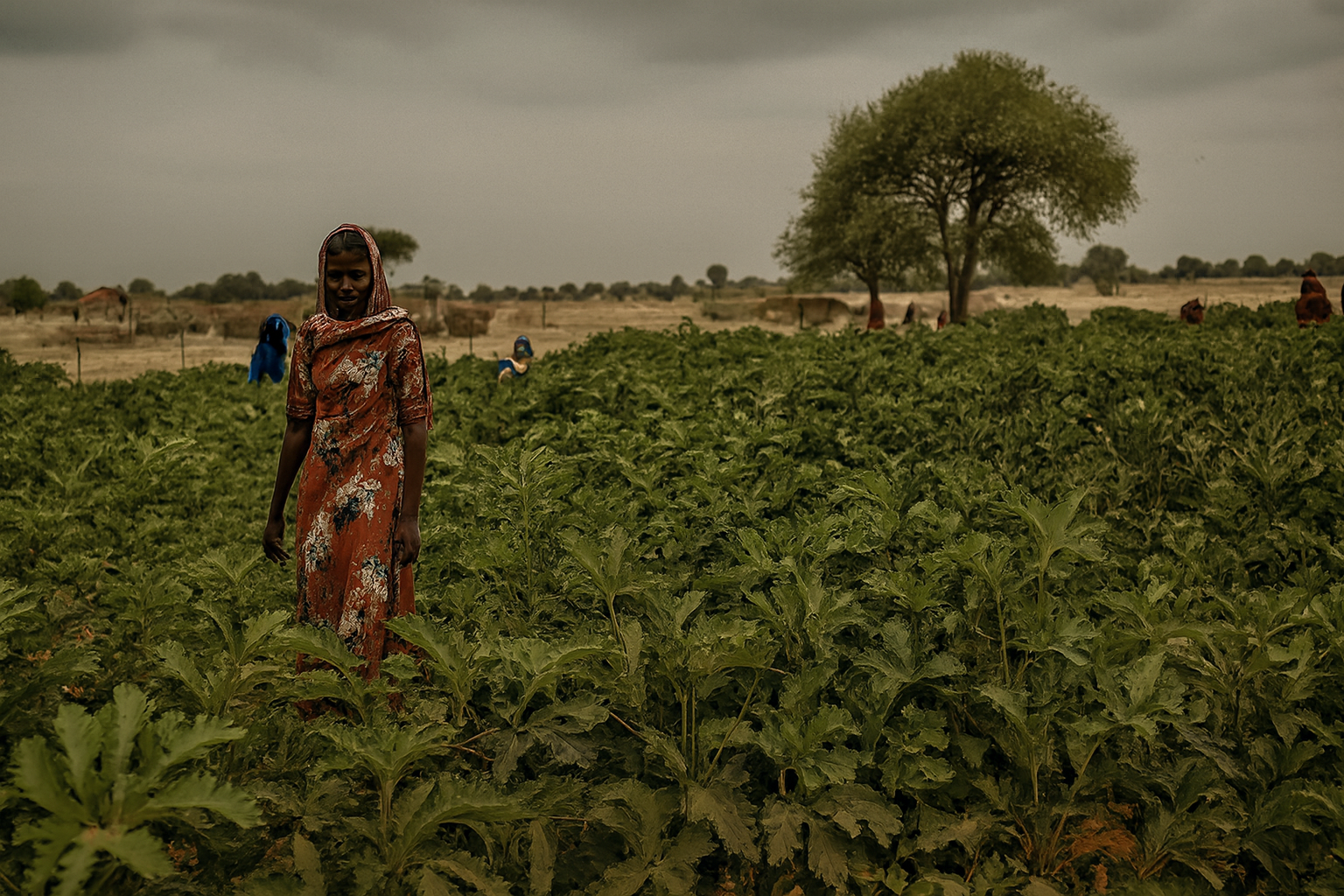
Research shows that 89 percent of farmers reported productivity declines, while 56 percent couldn't safely harvest crops due to violence. The destruction is particularly severe in Al Jazira State—historically Sudan's breadbasket, producing 50 percent of national wheat production.
The Pre-Lean Season Threat
Between February and May 2026, as harvest stocks deplete, acute food insecurity is projected to affect 19.1 million people (41 percent of the population). This apparent reduction masks a troubling reality: several high-concern areas cannot be classified due to restricted access, meaning the true crisis scale remains unknown.
Conflict as the Primary Driver
The civil war that erupted in April 2023 between the Sudanese Armed Forces and the Rapid Support Forces has systematically destroyed food systems. Military sieges in El Fasher, Kadugli, and Dilling have cut off commercial supplies and humanitarian assistance, deliberately using starvation as a weapon.
Malnutrition rates in El Fasher range from 38 to 75 percent. In besieged areas, families report surviving on boiled leaves, peanut shells, and animal feed.
The crisis compounds with disease outbreaks. Sudan faces its worst cholera outbreak in decades—over 96,000 suspected cases and 2,400 deaths since July 2024. Malnourished children in overcrowded displacement camps are particularly vulnerable.
Where Recovery is Possible
In areas where violence has subsided since May 2025—particularly Khartoum, Al Jazirah, and Sennar states—conditions have improved. Families are returning home, markets are reopening, and 3.4 million people no longer face crisis-level hunger compared to earlier assessments.
However, these fragile gains remain highly localized. Many returning families have lost everything and struggle to benefit from harvests amid broader economic collapse and damaged infrastructure.
The Funding Crisis
Despite hosting the world's largest humanitarian emergency, only 28 percent of Sudan's $4.16 billion humanitarian plan had been funded by November 2025. Major donors including the United States have reduced assistance, forcing the closure of food programs and health centers across the country.
What Happens Next
Without immediate humanitarian access and sustained international support, famine risks spreading to 20 additional at-risk areas during the February-May 2026 period. The conflict shows no signs of abating, and the window to prevent further catastrophe is rapidly closing.
Sudan's crisis demonstrates how quickly modern warfare can transform a historically productive agricultural nation into the world's largest hunger emergency. For the 21 million Sudanese facing acute hunger, the difference between survival and catastrophe depends on whether aid can reach them before their communities cross the irreversible threshold into famine.