A breakthrough in plant science may offer cereal farmers a new weapon against one of the industry's most persistent threats. Researchers have identified a naturally occurring compound in heritage wheat that significantly reduces survival rates of grain aphids—the primary carriers of
Barley Yellow Dwarf Virus (BYDV), a disease that can devastate cereal harvests worldwide.
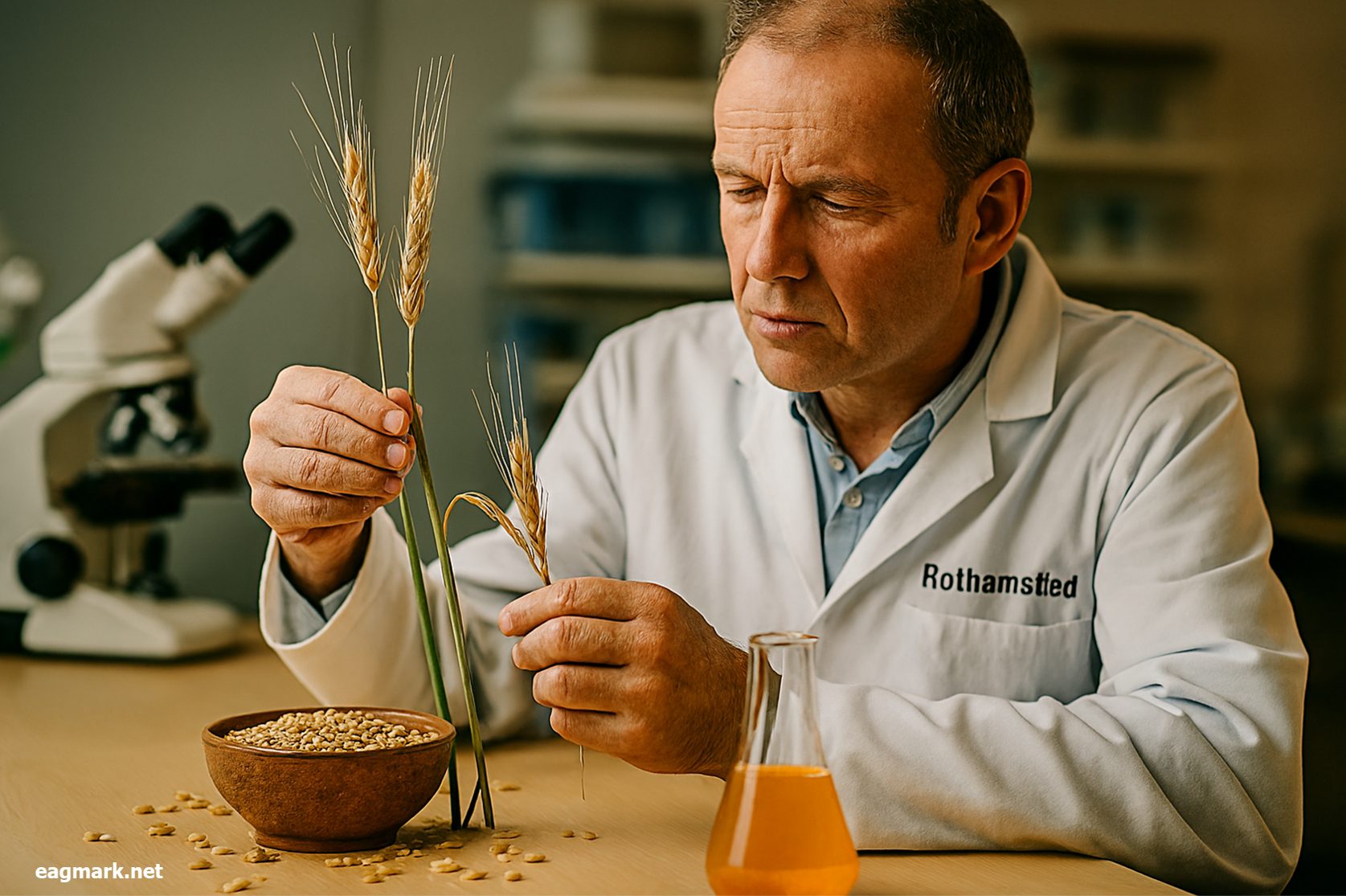
The compound, called saponarin, is a flavonoid found in Triticum monococcum—an ancient einkorn wheat variety cultivated since the Neolithic period. Research published in the Journal of Agricultural and Food Chemistry demonstrates that leaf extracts from specific T. monococcum lines (MDR045 and MDR049) significantly reduced aphid survival in controlled feeding trials.
The researchers used bioassay-guided fractionation to isolate saponarin as the key compound responsible for this resistance. Among the plant flavonoids tested, only naringenin showed comparable activity.
BYDV remains the most economically damaging virus affecting UK and European cereals. The virus spreads through aphid feeding—primarily the bird cherry-oat aphid (Rhopalosiphum padi) in southern regions and the grain aphid (Sitobion avenae) further north. According to the UK’s Agriculture and Horticulture Development Board, severe infections can cause yield losses of up to 60% in winter wheat and 50% in winter barley.
Current control relies heavily on pyrethroid insecticides, but widespread resistance among grain aphid populations has compromised their effectiveness. Environmental regulations have also restricted chemical options, particularly following the withdrawal of neonicotinoid seed treatments.
Enroll in the Sustainable Crop Production Course
The identification of saponarin opens pathways for breeding natural aphid resistance into commercial wheat varieties. Since T. monococcum shares genetic ancestry with modern wheat (it is closely related to the A genome donor of hexaploid wheat), introgression of resistance traits into elite cultivars is technically feasible.
Field trials conducted between 2017-2019 confirmed that MDR045 and MDR049 lines maintained their aphid resistance under real growing conditions—not just in laboratory settings. MDR049 also demonstrated an additional benefit: it attracted higher numbers of natural aphid predators, including ladybirds and lacewings.
Current BYDV Management
While breeding programs work toward resistant wheat varieties, farmers continue managing BYDV through integrated approaches. In the UK, the autumn 2025 planting season has seen strong demand for BYDV-tolerant winter barley varieties, which now dominate recommended lists. Varieties such as KWS Feeris, LG Carpenter, Organa, and the newly recommended Integral carry tolerance or resistance traits.
The saponarin discovery represents one piece of a broader shift toward integrated pest management in cereals. Flavonoid compounds are increasingly recognised for their potential in sustainable crop protection. Recent research on cotton aphids has demonstrated that flavonoids including naringenin, apigenin, and kaempferol deter settling behaviour, reduce feeding, and decrease reproductive rates.
For wheat specifically, the next steps involve mapping the genetic basis of saponarin production in T. monococcum and developing molecular markers to accelerate breeding. Commercial varieties incorporating this natural resistance remain years away, but the groundwork is now established.
In the meantime, farmers managing BYDV risk should prioritise tolerant varieties for early drilling, manage green bridges effectively, monitor aphid flights through regional trap networks, and target insecticide applications at the second aphid generation when spread intensifies.