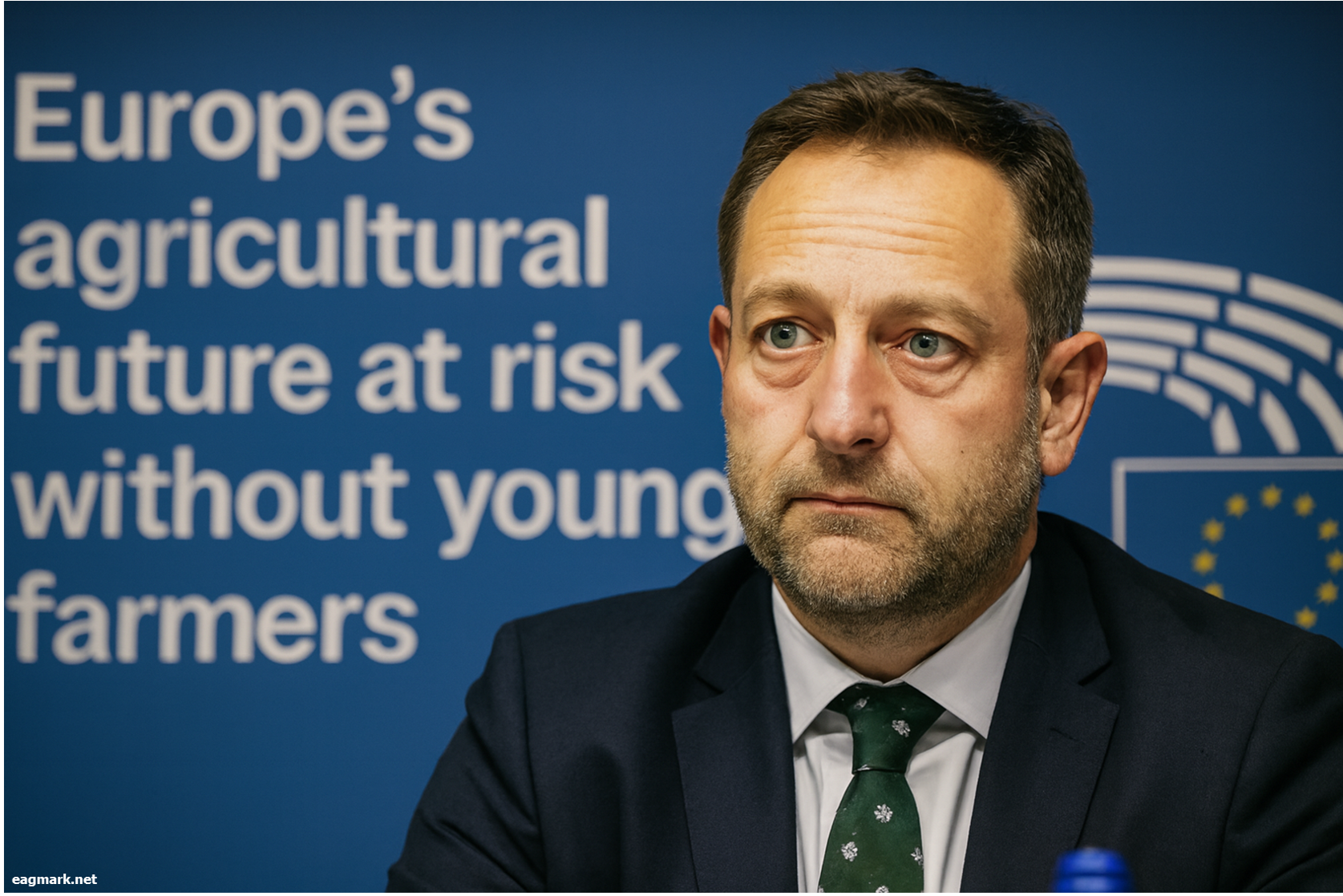
You have probably heard the number before. The average African farmer is 60 years old. It shows up in conference speeches, donor reports, and news headlines about a continent running out of farmers.
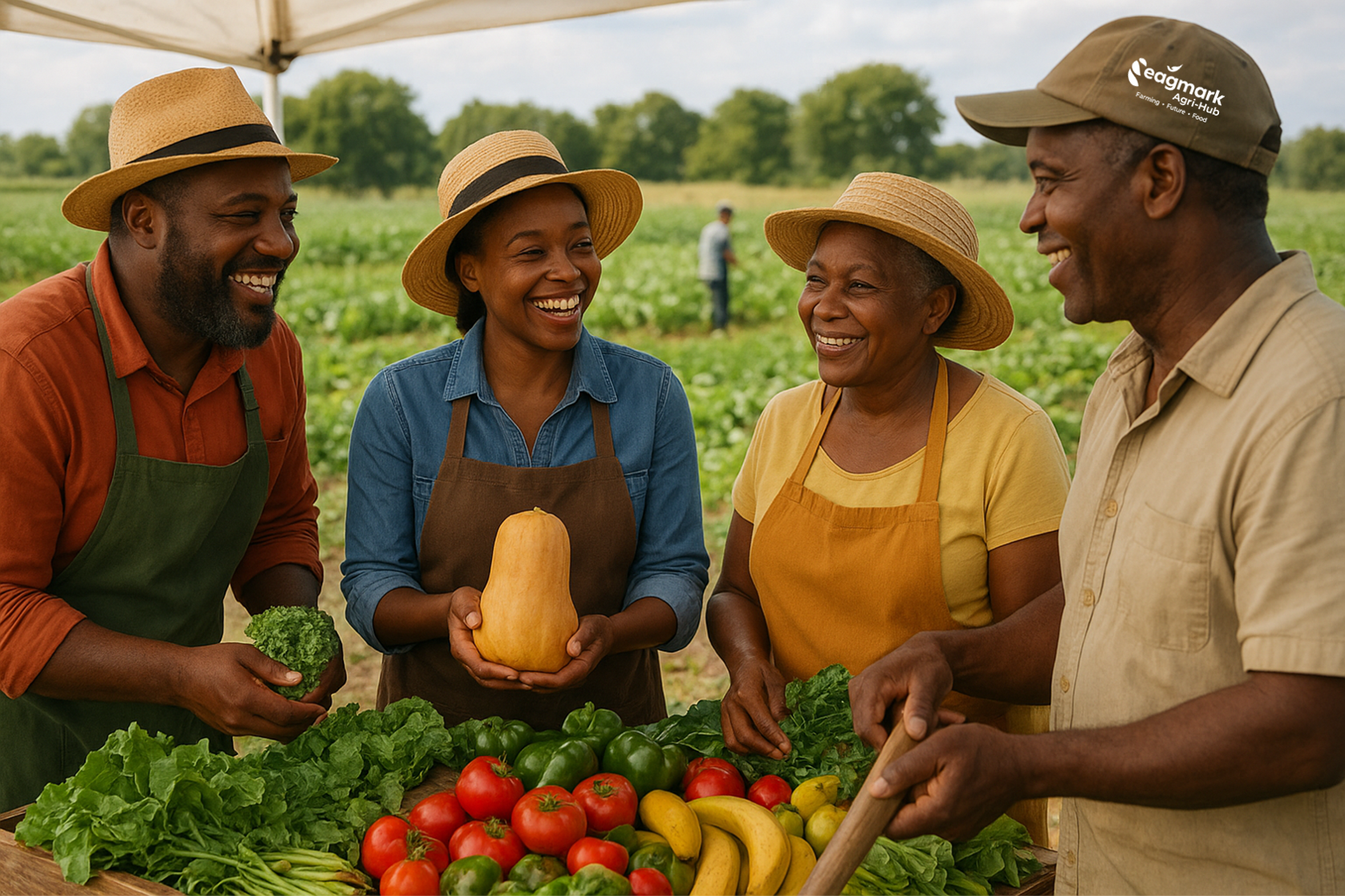
It sounds alarming. It also sounds wrong when you look around any rural market in Kenya, Nigeria, or Uganda and see how many young people are actually there.
So a group of researchers decided to stop repeating the number and check it instead.
What happens when you actually count
Working with national labor force surveys from six countries, Ghana, Rwanda, Uganda, Zambia, Nigeria, and Tanzania, researchers tracked who was farming and how old they were, using government data collected between 2000 and 2018.
The result did not match the headline. The average age of the farm workforce across those countries came out between 32 and 39 years old. Even if you remove everyone aged 15 to 24, the number only rises to 38 to 45. Even if you count every elderly farmer still working the land, the average barely moves, because just 3 percent of the region's population is over 65, and less than half of that group still farms.

Sub-Saharan Africa's average age of the farm labor force has barely shifted over the past decade, moving by less than two years in four of the six countries studied. Farming in Africa is not emptying out. It never was.
So why does the myth keep spreading
Part of the answer is that the 60-year figure gets repeated so often it starts to sound like fact. It appears in speeches at major forums and gets cited by well-meaning advocates trying to draw attention to youth unemployment. The intention is good. The number is not backed by field data.
The bigger problem with the myth is what it distracts from. If you believe young people are simply absent from farming, you look for ways to convince more of them to join. If you accept that they are already there in large numbers, you have to ask a harder question. Why are so many of them stuck farming the same way their parents did, with the same tools, the same yields, and the same risk of losing everything to one bad season?
The real barrier is not age. It is access.
A 2021 survey of about 3,000 young people and smallholder farmers in Kenya, conducted by Heifer International, found something worth sitting with. Ninety percent of farmers between 18 and 35 already showed high engagement with mobile phones, social media, and digital tools in daily life. But only 39 percent of them were using any form of agricultural technology on their farms.
That gap is not about comfort with technology. When the same survey asked what actually held them back, 59 percent pointed to one thing first: access to land.

Read those three numbers side by side and the story changes. This is not a generation that needs to be sold on farming or coaxed onto a smartphone app. It is a generation already carrying a phone, already curious, and already blocked by something no app alone can fix: who owns the land they work.
What technology can actually do here
No platform can hand you a title deed. But land is not the only cost standing between a young farmer and a better harvest.
Every season without a diagnosis for a diseased crop costs money. Every trip to a market that turns out to be paying less than the one down the road costs money. Every planting decision made on guesswork instead of soil data costs money. None of that requires more land. It requires better information, delivered fast enough to act on.
That is the gap worth closing first. A farmer working half an acre with sharp, timely information can often out-earn a farmer working three times the land with none. Diagnostics, market prices, and training delivered straight to a phone will not solve land reform. They will make the land already in a young farmer's hands work harder.
The question worth asking now
If you are a young farmer reading this, the story told about your generation has been backward. You were never missing from the fields. You were already there, adapting, experimenting, and reaching for tools faster than most people assumed you would.
The real question is not how to get more young people into agriculture. It is how to remove what is actually standing in the way of the ones already in it: easier paths to land, fairer access to credit, and tools built for a phone in your pocket rather than an office you may never visit.
What would change for you if that access arrived this season instead of some distant year on a policy roadmap?
Eagmark was built around that question. Crop and livestock diagnostics, soil insights, market access, and training are available directly from a phone, built for the farmer who is already there and ready to move faster.