After years of caution, the European Union has made a decision that could reshape what ends up on dinner plates across the continent and beyond. The European Parliament voted in favor of a framework for gene-edited plants, clearing the last major obstacle for crops designed to stand up to extreme weather and disease. For a bloc long known as one of the strictest in the world on genetic technology, it is a striking turn.
The vote covers what the EU calls New Genomic Techniques, or NGTs, and it loosens rules that have held this kind of plant breeding back for decades. Supporters call it a long overdue moment. Critics call it a gamble. Both agree on one thing. The ripple effects will not stop at Europe's borders.
Editing, not the old genetic modification
It helps to understand what actually changed. Traditional genetic modification often meant inserting DNA from one species into another, the sort of thing nature would never do on its own. That practice fueled years of public unease and tight regulation across Europe.
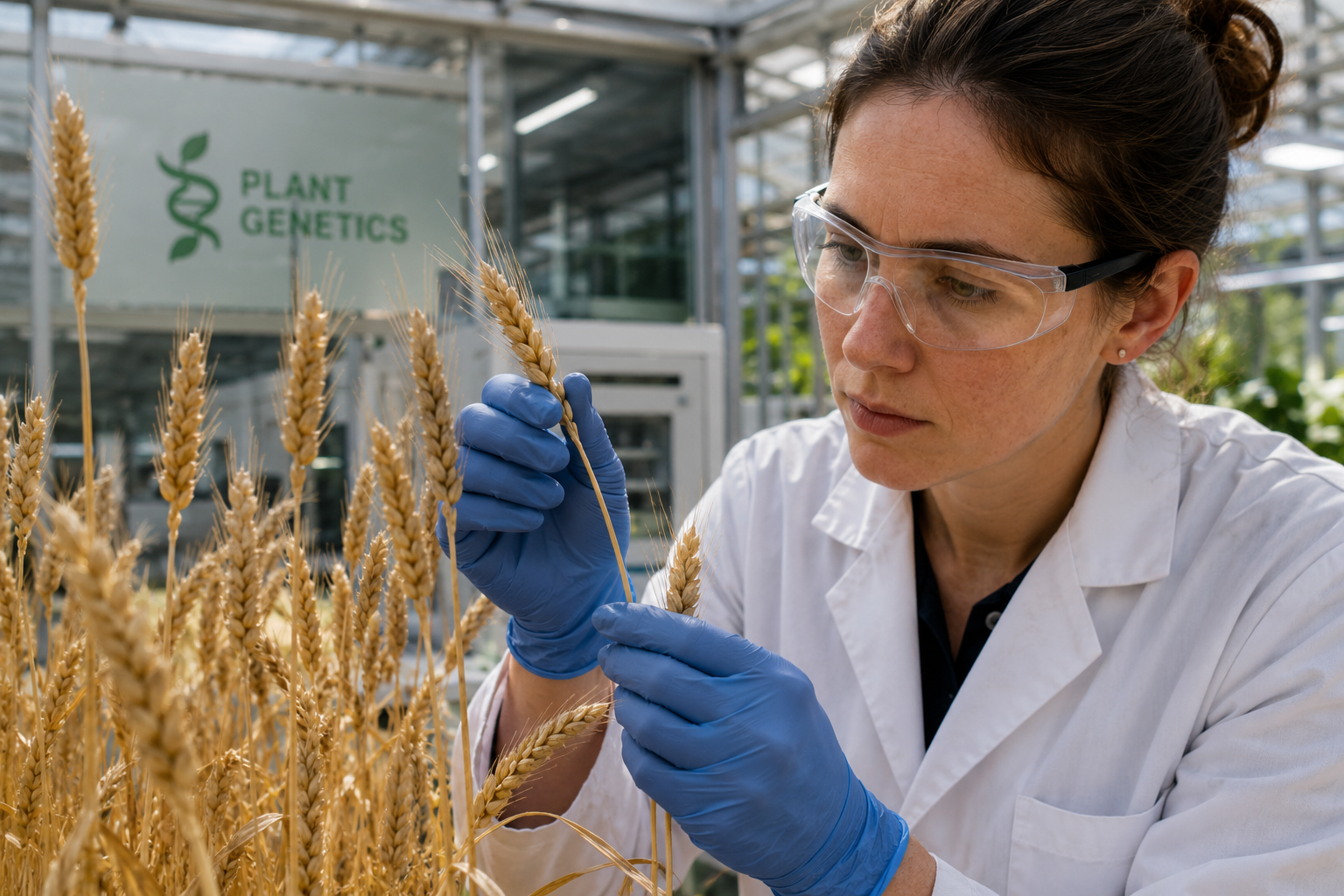
Gene editing is different. It tweaks a plant's own genetic code without borrowing genes from another organism, mirroring the kind of changes that could happen through conventional breeding, only faster and with more precision. The results range from low-gluten wheat to bananas that resist browning to rice bred to survive a harsher climate. That distinction is exactly why lawmakers felt these crops deserved a lighter regulatory touch than older GM organisms.
Why Europe blinked
The pressure behind the vote is easy to understand once you look at the numbers. European farming loses more than 28 billion euros, roughly 32 billion dollars, every year to extreme weather. Droughts, floods, and disease are eating into harvests and squeezing growers already battling higher energy and fertilizer costs.
Farm groups welcomed the change as a lifeline. Organizations such as Farm Europe and Eat Europe said farmers would finally gain the tools they need to make their sector more resilient and competitive. Copa-Cogeca, Europe's largest farm lobby, called the vote a major milestone. For people working the land, the promise of hardier crops is not abstract. It is the difference between a season saved and a season lost.
A long road, and more waiting still
This did not happen quickly. The European Commission presented its proposal in 2023, but the science had been under review far longer, with the European Food Safety Authority examining these practices as far back as 2012. Even now that the vote has passed, most provisions will only take effect after a transition period stretching into mid-2028.
That slow pace reflects how sensitive food policy is in Europe, where public trust on these issues has always been fragile. Moving carefully was the price of moving at all.
The fight over patents
For all the celebration, the legislation arrived with real conflict, and the sharpest fight was over patents.
Lawmakers had originally pushed to limit how broadly these crops could be patented, worried that sweeping protections would hand too much power to large seed companies. The concern is that firms like Corteva and Bayer could tighten their grip on the market, leaving smaller breeders locked out and farmers at a disadvantage. The environmental group Friends of the Earth warned that the rules could block small and medium breeders from essential resources while expanding corporate control. The same group raised flags about exempting the crops from certain safety checks and labeling.
The final framework tries to thread the needle. It allows NGTs to be patented, except for traits or sequences that occur naturally or are produced by biological means. The rules apply to crops grown in Europe and to imports alike, and edited crops will be kept out of organic farming entirely. Whether that balance holds is a question that will play out for years.
For the seed and biotech industry, though, the direction is clear and welcome. Companies large and small stand to benefit, and one Bayer executive, Matthias Berninger, framed the vote as a turning point. After three decades of regulatory divergence between the United States and Europe, he said, agricultural biotechnology rules are finally starting to converge.
A decision the whole world is watching
That convergence is the larger story. Europe rarely makes a move on food and trade without others feeling it, and this is no exception.
Across the globe, other governments have been inching in the same direction. The United States has already approved gene-edited soybeans, rice, and tomatoes. China gave the green light to edited wheat and corn varieties in 2024. Switzerland has been weighing similar steps, and the issue became a point of post-Brexit divergence as the United Kingdom moved ahead with its own rules.
Industry voices say the EU's influence will magnify the effect. Peter Beetham of the technology company Cibus put it plainly, noting that the decision is being watched by countries all around the world. When a market this large shifts its stance, standards everywhere tend to follow.
What it means beyond the headlines
Most shoppers will never read a word of this legislation. But the crops it allows will quietly shape what fills the shelves, the bread that suits more diets, the fruit that lasts longer, the grain that survives a brutal summer. Decisions made in a parliament far from any kitchen end up on the table all the same.
The transformation will not be sudden. It will arrive slowly, one approved crop at a time, over the coming years. But a threshold has been crossed. Europe has chosen to embrace a technology it once held at arm's length, and the rest of the world is now deciding how quickly to do the same. The questions left behind, about safety, fairness, and who controls the future of our food, will outlast the celebration of the vote itself.