There is a version of artificial intelligence that can write a wedding speech, summarize a legal contract, and explain quantum physics to a child. Point that same tool at a struggling field and ask what to do, and it will give you an answer that sounds confident and means nothing. The words are right. The knowing is absent.
This is the gap that decides whether AI becomes useful on a farm or just another thing that talks a good game. And it is not the gap most people expect.
The popular worry is that these tools are too powerful, that they will replace the people who have spent careers learning to read a crop. The reality on the ground is closer to the opposite. General-purpose AI, the kind trained on the whole open internet, is a brilliant generalist with no particular loyalty to the truth of any one field. It has read everything and stood in nothing. Ask it a question rooted in a specific soil, a specific season, or a specific set of local conditions, and its fluency becomes a liability, because confident wrongness is harder to catch than obvious ignorance.
What changes the picture is not a smarter model. It is a narrower one.
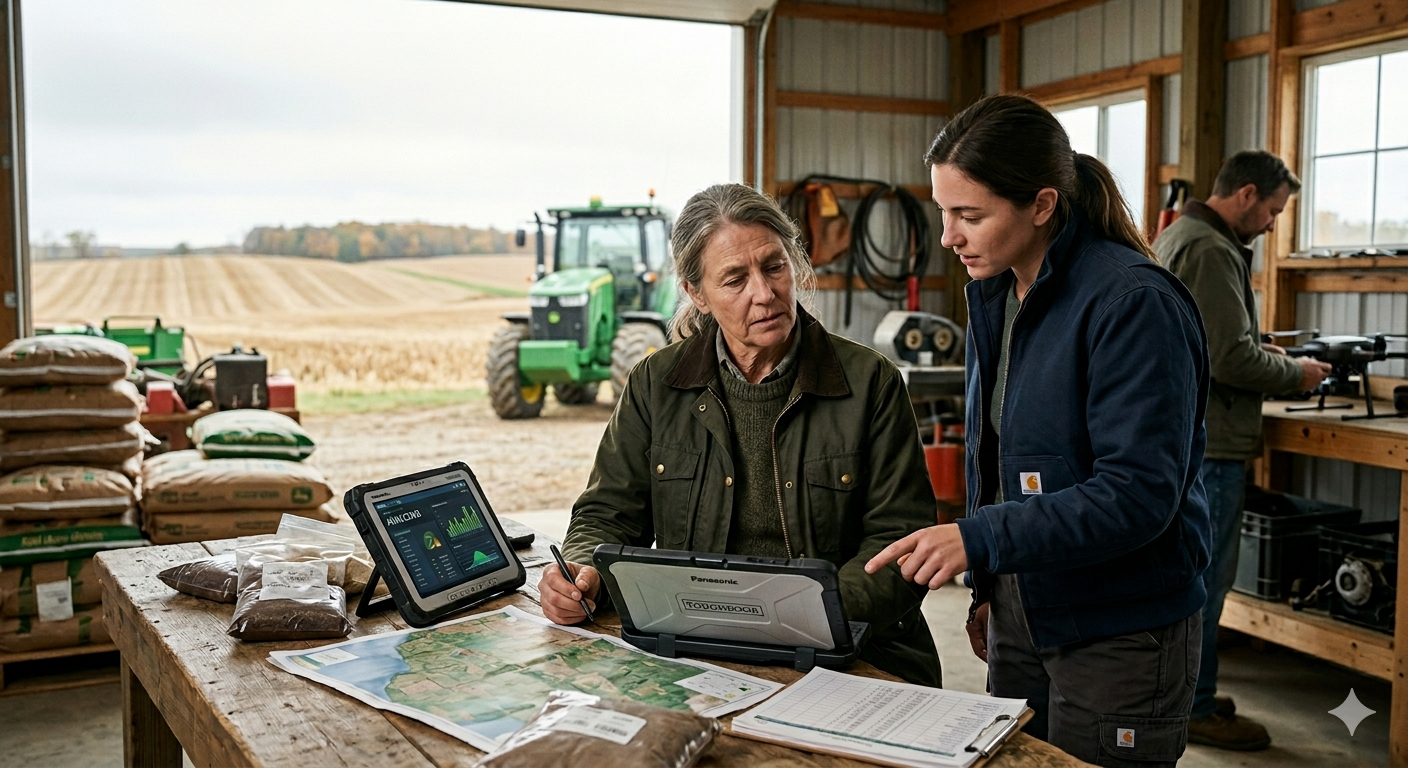
When the same technology is layered on top of a carefully built body of real agronomic knowledge, years of trial results, regional patterns, what actually worked and what quietly failed, something different happens. The tool stops guessing and starts drawing on something true. The intelligence was never really the scarce ingredient. The curated knowledge underneath it was. A model is only ever as grounded as the ground it has been given.
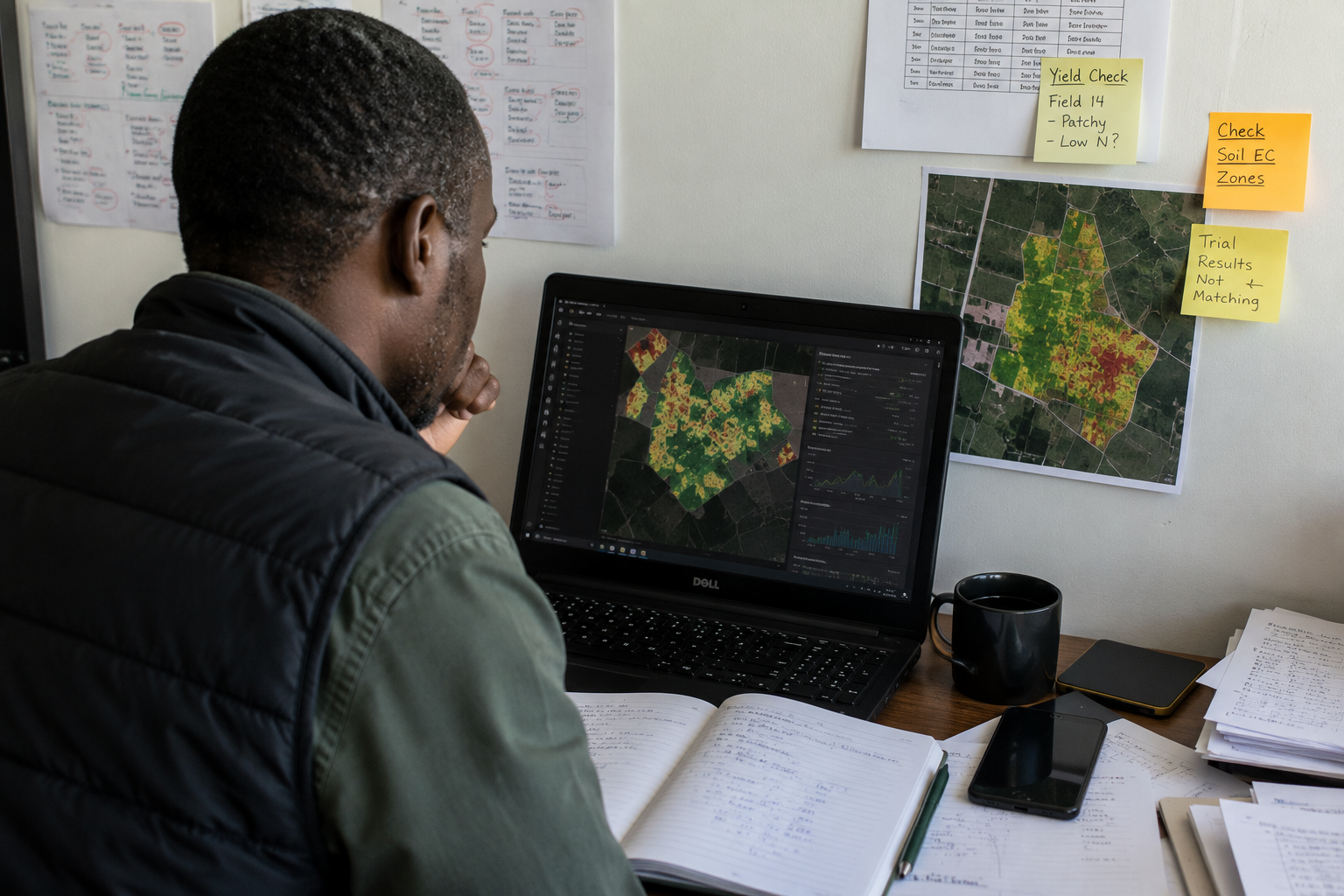
This reframes what these tools are for. The instinct is to treat AI as a machine that produces answers. The more honest description is that it is a synthesis tool. Modern farming asks a person to hold an enormous number of moving parts in their head at once: the weather, the markets, the soil, the crop's stage, the supplier's reliability, the calendar closing in. A good AI layer does not make the decision. It gathers the complexity into one place so the human making the call can see it clearly and act faster. It supports judgment. It does not pretend to be judgment.
If that is what the technology really does, then the way to measure it changes too. The tempting metric is adoption, the percentage of people using the thing. But near-total adoption was never realistic and was never the point. The question worth asking is sharper. Among the people who do use these tools well, are they making better decisions? Are their results pulling ahead of everyone else's?
Because if that gap opens, even slightly, the story stops being about technology at all. It becomes a story about competitiveness. The advantage will not belong to whoever buys the most advanced system. It will belong to whoever pairs a decent tool with strong fundamentals and the discipline to use it consistently. A sophisticated tool in careless hands loses to a simple one used with rigor every season.
There is a quieter consequence worth naming. As these tools grow easier to use, the barrier to building them falls, and new ideas arrive faster than ever. That same ease also thins the field. When everyone has access to the same general capability, the only durable advantage is the proprietary knowledge and trust that cannot be downloaded. Many will build. Few will sustain something genuinely their own. Consolidation tends to follow accessibility, not resist it.
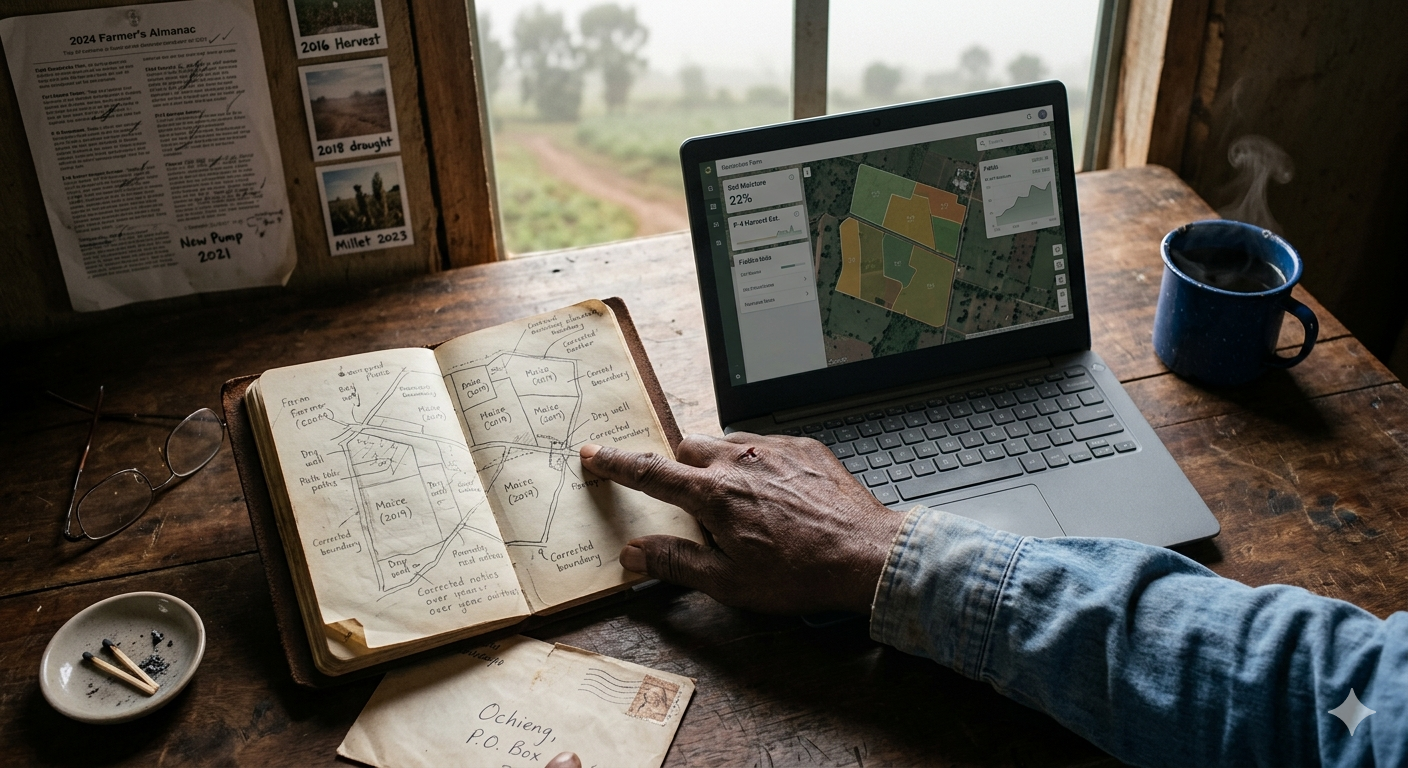
None of this removes the need for the oldest skills in farming. If anything it raises their value. The tool is only as good as the agronomy beneath it and the judgment in front of it. The most useful posture, for anyone deciding how much of this to let into their operation, is a strange mix of openness and stubbornness. Openness to the genuine possibility that something here changes the work for the better. Stubbornness about the fundamentals that no model has earned the right to overrule.
And maybe the hardest discipline of all, the one that separates the people who get real value from the people who get a clever toy, is the willingness to set down what you are sure you already know long enough to notice what has actually become possible.