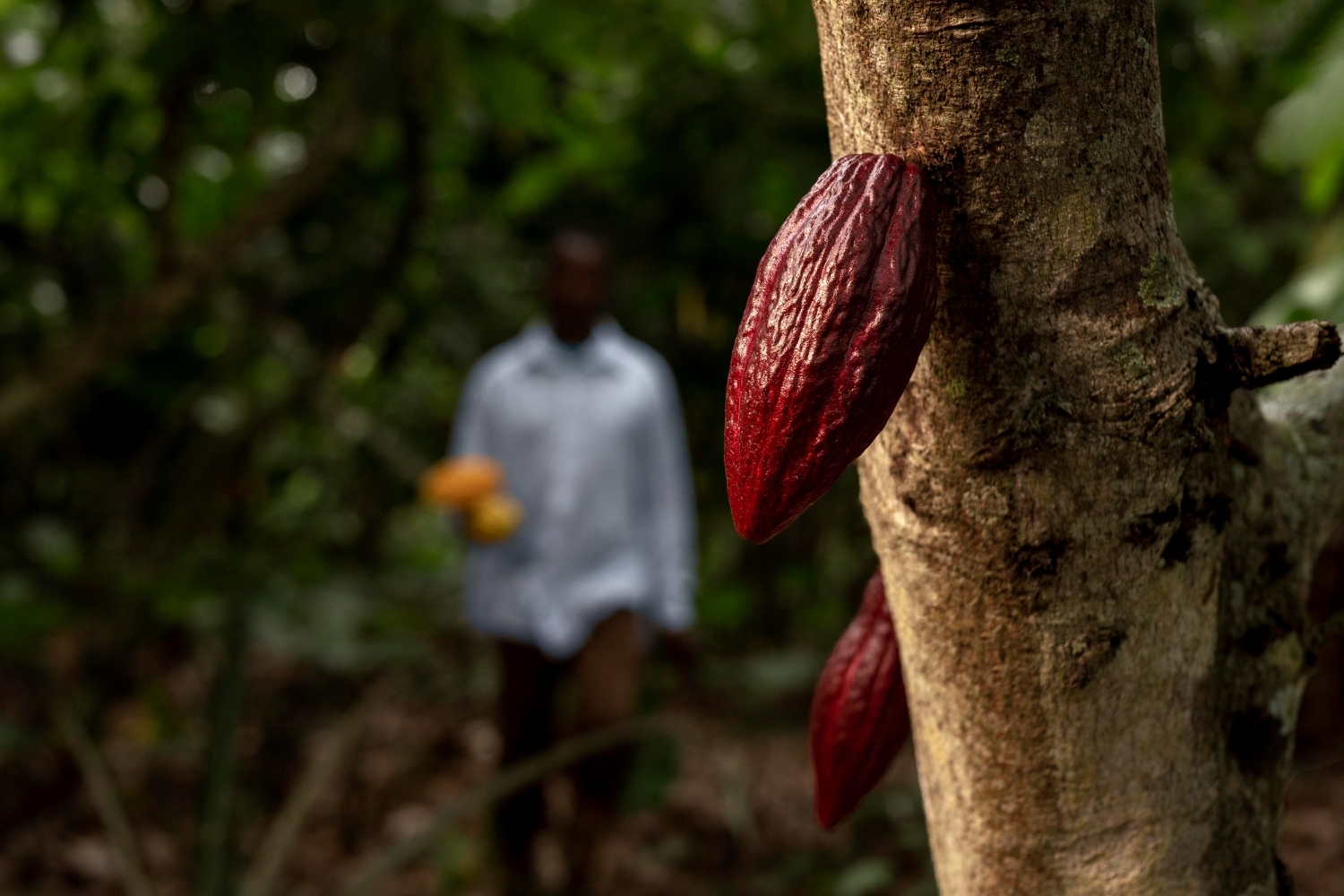
Ghana's cocoa production is rebounding after hitting its lowest point in over two decades, but the recovery exposes deeper problems in how the industry finances itself and captures value from the world's most valuable agricultural commodity.
Production for the 2024/2025 season is projected to reach 600,000-700,000 metric tons, up from 531,000 tons last season but still well below the million-ton harvests achieved as recently as 2020/2021. The modest rebound follows years of decline driven by disease, climate stress, and illegal mining encroachment on cocoa lands.
Financing Model Collapses
The most dramatic shift came when Ghana's cocoa board failed to secure its traditional syndicated loan from international banks for the first time in over three decades. International lenders lost confidence as production fell 40% and the board accumulated $2.7 billion in debt.
The financing squeeze hits hardest at the farm level. Over 60% of cocoa farmers lack access to affordable credit, limiting their ability to invest in inputs or equipment. Working capital shortages create bottlenecks throughout the value chain, from cooperatives to processors.
Processing Capacity Sits Idle
Ghana has installed processing capacity of 504,780 metric tons but operates at less than 50% capacity due to insufficient bean supply. The country processes only about 30-40% of its crop, mostly into semi-finished products rather than chocolate.
Domestic processors face costs roughly 30% higher than international competitors. Meanwhile, a 60% tax on domestic chocolate sales actively discourages local production while tax breaks incentivize raw material exports.
Disease and Climate Threats Persist
Earlier in the year, reports indicated that approximately 81% of Ghana's cocoa-growing area was affected by cocoa swollen shoot virus disease, with 500,000 hectares currently unproductive. Climate variability compounds the problem, disrupting growing seasons and accelerating pest proliferation.
Farmers received a farmgate price increase to GH¢49,600 ($3,100) per metric ton, but this remains far below international market prices that exceeded $12,000 per ton during recent spikes.
What's at Stake
Ghana and Côte d'Ivoire together produce 60% of global cocoa supply. When both countries struggle simultaneously, chocolate manufacturers worldwide feel the impact. Cocoa futures briefly hit $13,000 per ton in late 2024, with prices remaining elevated due to supply uncertainty.
The central question isn't just whether Ghana can restore production levels—it's whether the country can move beyond exporting raw beans to capture real value through processing. Without accessible financing, infrastructure improvements, and policy reforms that genuinely support domestic processing, Ghana risks remaining a raw material supplier while others profit from chocolate manufacturing.
Production rebounds mean little if farmers can't access credit, processors can't run at full capacity, and the country continues exporting the bulk of its crop unprocessed. Experts advise that Ghana's cocoa sector needs more than a good harvest—it needs a fundamental rethink of how the industry finances growth and adds value domestically.