%20Larvae.png?alt=media&token=990cd130-2008-425b-97f8-16bf8ece38e7)
ENORM Biofactory, the Danish black soldier fly protein producer, has officially entered bankruptcy after a six-month court-supervised restructuring process failed to secure the company's financial future.
The company raised €50 million from backers including Danish agricultural cooperative DLG in 2022 and opened a factory in Jutland in 2023 to supply the animal feed market with protein and oil from black soldier fly larvae.
A Promising Start
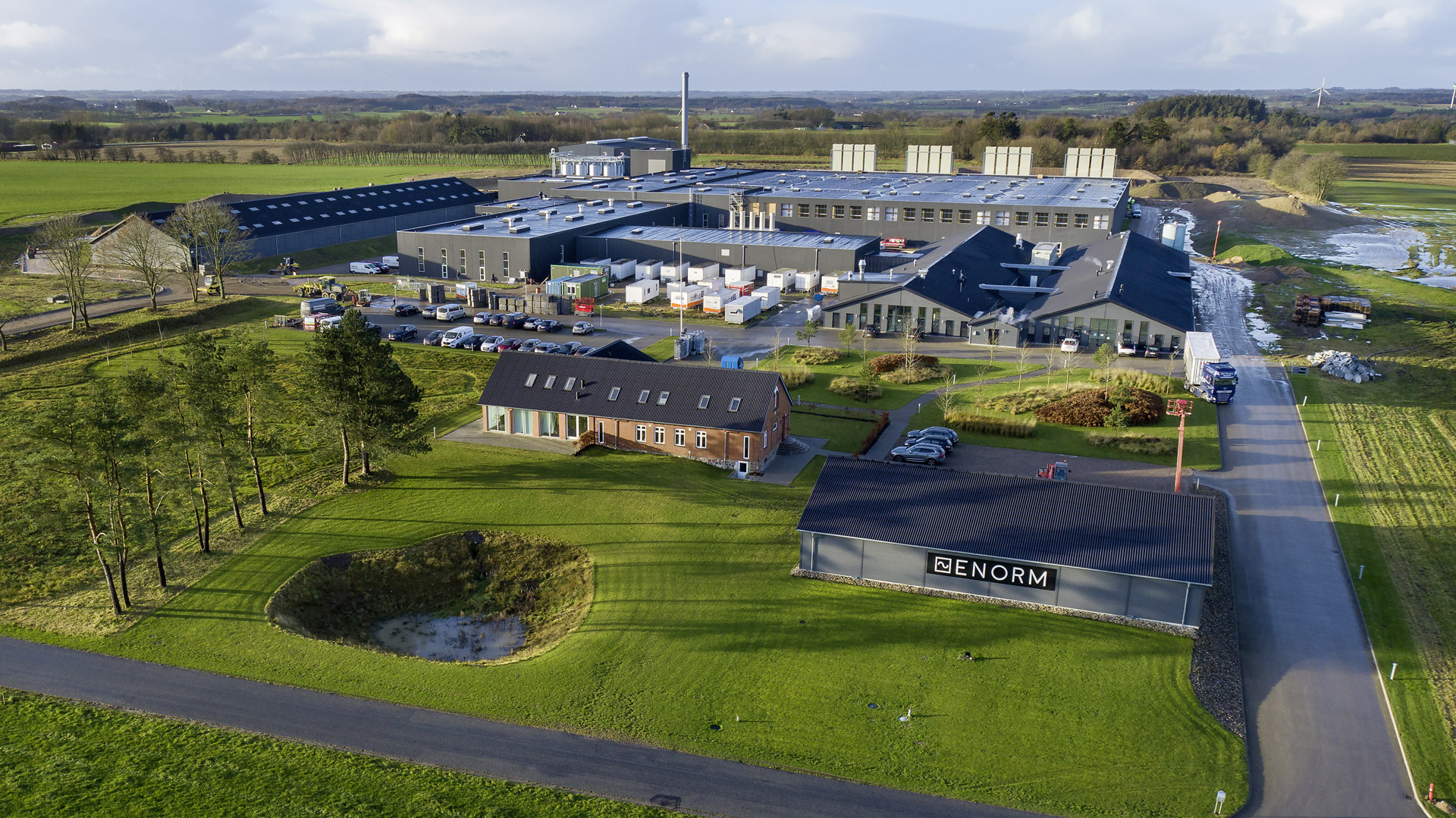
The 22,000-square-meter facility in Hvirring, Denmark, opened in December 2023 with the capacity to produce more than 10,000 tonnes of insect meal annually, processing 100 tonnes of larvae per day. The site was designed to become one of Europe's largest insect agriculture facilities, comparable to Innovafeed's 15,000-tonne site in France and Protix's 14,000-tonne site in the Netherlands.
The facility represented a significant technological investment, with equipment and automation systems provided by Better Insect Solutions, a subsidiary of the Big Dutchman Group.
Market Momentum Fades
Chief Operating Officer Jane Lind Sam told reporters that ENORM had "experienced strong interest and premium pricing potential until late 2024," but as the company neared full-scale readiness, market momentum "waned significantly".
The commissioning was delayed due to lengthy approval processes, protracted construction of the facility, and operational difficulties, leading to insufficient production and uncertainty in selling the high-priced products.
These challenges pushed the firm into a court-ordered reconstruction process in late April 2025. At the time, Lind Sam indicated the company would use the reconstruction period to explore new business models, markets, and potential investors.
However, ENORM was formally issued with a bankruptcy decree on October 30, 2025, with attorney Henrik Selchau Poulsen appointed as trustee. Parties with claims against the company must submit them to the trustee by the end of November.
Industry Response
Toke Munk Schou, head of biological R&D at ENORM, reflected on the closure in a LinkedIn post: "A fantastic company with great vision and a workplace with lots of good and talented colleagues is closed. It's sad, but the reality. Together we managed to build an insect factory not seen anywhere in the world. Unfortunately, sales were not as expected."
He added: "Even though the company ENORM is closed, I am sure that all the work we have done has not been in vain. Equipment and management will most likely be integrated into the industry. Our acquired knowledge will be able to be used in other contexts in the future."
Broader Sector Challenges
ENORM's bankruptcy follows a series of setbacks across the insect agriculture sector. Weeks earlier, South African black soldier fly startup Inseco ceased operations and sold its assets to industry partners after experiencing power outages and operational challenges. Founded in 2018, Inseco had raised $5.3 million in 2022 to scale its Cape Town facility.
French mealworm farmer Ÿnsect continues under court supervision with an observation period extended until January 12, 2026, as it seeks €24.4 million in additional funding. The company, which has raised approximately $600 million since 2011, started protein production at a large-scale facility in Amiens last summer but needs more capital to reach profitability.
In May, receivers were called in to Canadian cricket farmer Aspire Food Group by lender Farm Credit Canada when the company could not meet its financial obligations of nearly CAD$44.1 million. The Ontario Superior Court of Justice later approved a deal to sell the assets to Halali Group Holdings.
Signs of Continued Investment
Despite these high-profile failures, investor interest in the sector persists. This week, Paris-based nextProtein secured €18 million in Series B funding to scale production in Tunisia. The round was co-led by SWEN Capital Partners' Blue Ocean Fund and British International Investment, with continued backing from Mirova and RAISE Impact.
Earlier in 2025, Finnish company Volare raised €26 million to build what it describes as "the world's most energy-efficient protein production facility" in Pori, Finland. The funding round included equity, mezzanine and senior loans, and public financing from investors including Maki.vc, Firstminute Capital, and the Finnish Climate Fund.
US Market Developments
French insect agriculture firm Innovafeed confirmed that plans to build a commercial-scale black soldier fly larvae facility at an ADM corn milling site in the United States "remain very much alive," despite having paused operations at a pilot plant in Decatur, Illinois.
Industry Analysis
The contrasting fortunes within the sector highlight the challenges facing insect protein producers. Companies must navigate complex operational requirements, achieve economies of scale, secure consistent feedstock supplies, and build market acceptance—all while competing with established protein sources on price.
Success appears to depend on operational efficiency, strategic partnerships with established feed companies, and access to patient capital willing to support the extended timelines required to reach profitability in this emerging sector.