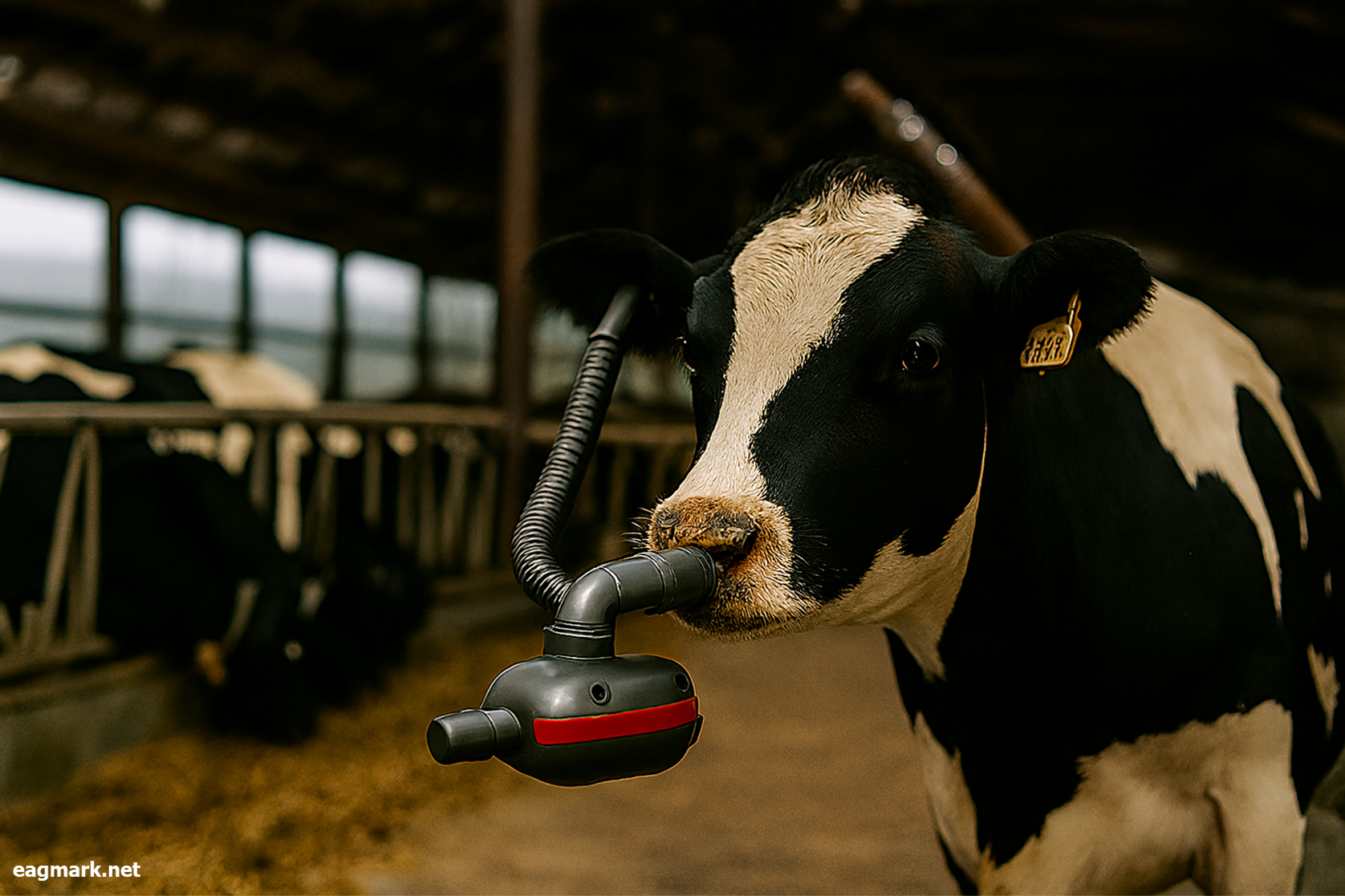
Pasture-based livestock farming has long posed a stubborn challenge for climate mitigation. While feed additives work well in intensive operations where animals receive daily rations, the billions of cattle grazing open pastures worldwide have remained largely untouched by methane-reduction technologies.
A slow-release bolus approach now entering final regulatory stages could change that equation. The technology—a biodegradable capsule that sits in a cow's rumen and releases methane-inhibiting compounds over several months—has demonstrated 75% methane reduction for over 100 days from a single dose in recent trials.
The Pasture Problem
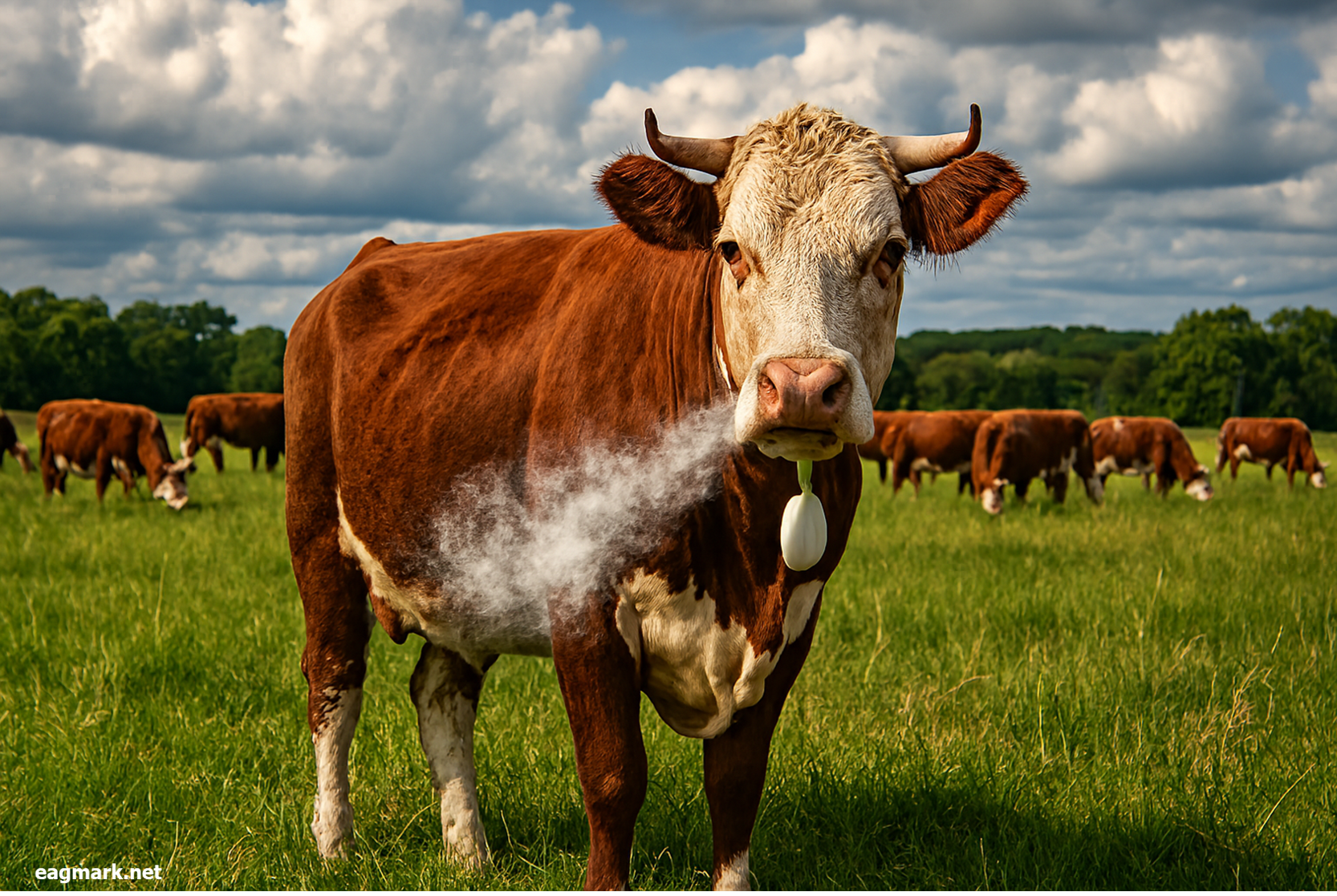
Cattle are responsible for around 75% of global enteric methane emissions. Most of this comes from a straightforward biological process: as microbes decompose and ferment plant materials in the rumen, methane is expelled by the animal through burping.
The Food and Agriculture Organization estimates livestock produce approximately 12% of global greenhouse gas emissions, though peer-reviewed studies have put the figure higher, at up to 19.6%.
Feed additives containing compounds like 3-nitrooxypropanol have gained traction in confined feeding operations, achieving 30-45% methane reductions when administered daily. But these solutions require consistent access to animals—impractical for beef herds on rangeland or dairy systems where cows spend months grazing without supplemental feeding.
How Bolus Technology Works
A bolus is a large pill-like capsule administered orally that lodges in the rumen, gradually releasing its active ingredients. The technology has been used for decades to deliver minerals and medications to livestock.
The methane-inhibiting version uses bromoform—a compound naturally found in red seaweed (Asparagopsis)—in synthetic form. The challenge lies in engineering controlled release: delivering a precise daily dose for months from a single administration without dangerous concentration spikes.
The slow-release, biodegradable bolus sits in the animal's rumen, releasing a controlled dose of a methane inhibitor for up to six months.
Regulatory Timeline and Market Entry
Initial regulatory approval is expected in New Zealand in early 2026, with applications pending in Canada, Brazil, and the EU. Australia requires no approval for market entry.
The approach targets a specific gap: the benefit of a bolus is that you can administer it once, it lasts for at least 100 days, and reduces methane by 70% or so over that period.
Who Pays?
Without clear productivity gains for farmers, the economic model depends heavily on carbon markets. Treating 100 steers could reduce methane emissions equivalent to taking 50 average family cars off the road for an entire year—a metric that translates into tradeable carbon credits.
The voluntary carbon market and supply chain "insetting" programs (where food companies purchase credits from their own suppliers) remain the primary financial mechanisms being explored.
The Bigger Picture
The Intergovernmental Panel on Climate Change recommended that global methane emissions must be reduced by 40-45% by 2030 to limit warming to 1.5°C.
Multiple approaches will be necessary. Feed additives suit intensive systems; boluses may serve pasture operations; breeding programs and genetic interventions target long-term solutions. Cutting methane is one of the fastest ways to slow global warming because methane breaks down in the atmosphere within roughly 12 years, unlike carbon dioxide which persists for centuries.
For the roughly one billion cattle grazing pastures globally, a practical, long-duration solution has been notably absent. Whether slow-release bolus technology can deliver at commercial scale—and whether carbon markets can support farmer adoption—will become clearer as regulatory approvals progress through 2026.