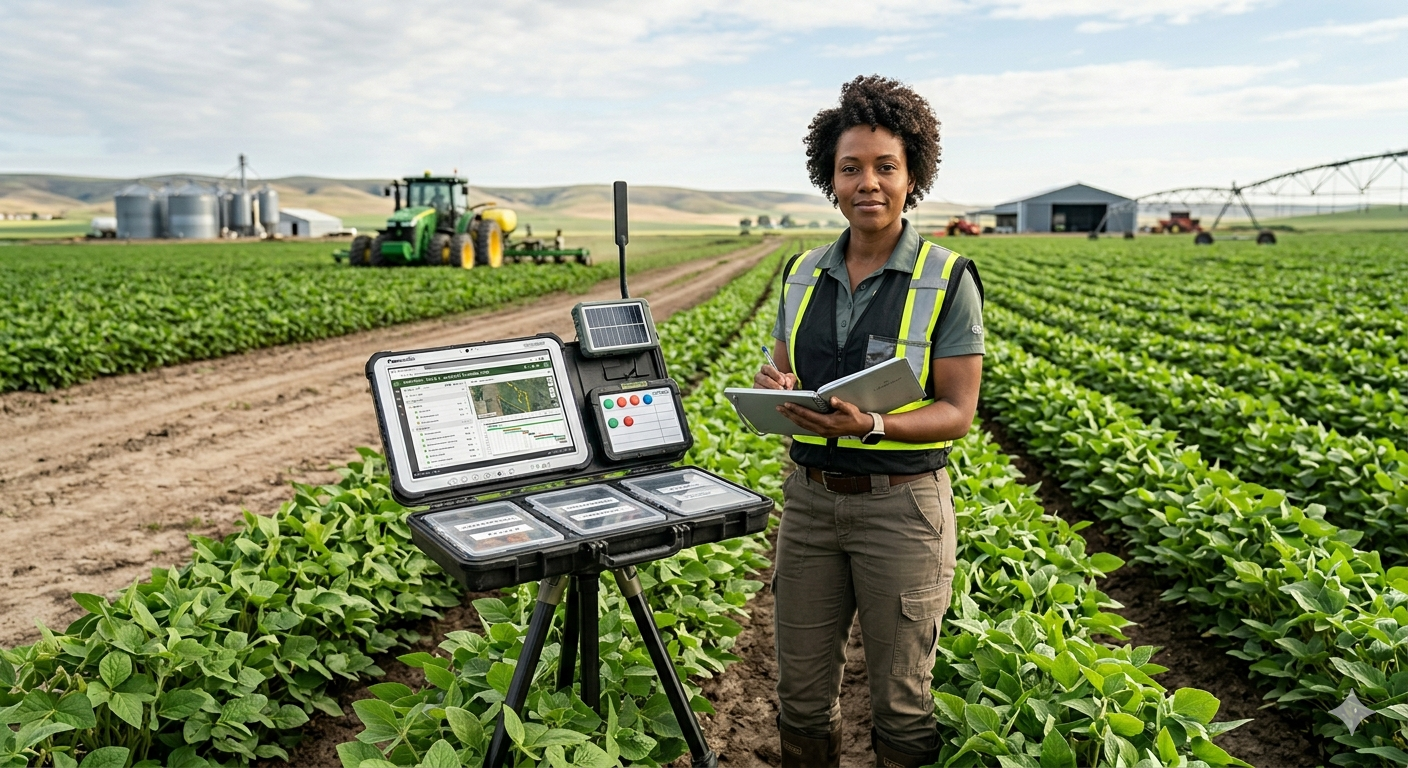
The Project Planning and Management in Agriculture Course is designed to provide students with the knowledge and skills needed to plan and manage agricultural development projects effectively. The course is focused on the specific challenges and opportunities of agricultural development, and covers key topics such as project design and planning, stakeholder engagement, community development, project implementation, and monitoring and evaluation.
Throughout the course, students will learn about the various tools and techniques that are used in project management. In addition to learning about the technical aspects of project management, students will also learn about the social, political, and economic context of agricultural development, and how to engage effectively with stakeholders and communities. They will also learn about the importance of risk management and how to use techniques such as Monte Carlo simulation, decision trees, and sensitivity analysis to identify and mitigate potential risks.
The course will also cover the impact of climate change on agricultural production and the strategies that can be used to address it. The course will also discuss the importance of incorporating the sustainability of the project and the impact on the environment and the community.
The course is designed for students interested in pursuing a career in agricultural development, as well as for professionals working in the field who wish to improve their skills in project planning and management. The course is also suitable for students and professionals who want to gain a deeper understanding of the challenges and opportunities of agricultural development in developing countries.
🎯 Course Objectives
Upon completion of this course, participants will be able to:
Apply fundamental project management principles to agricultural development initiatives, including scope definition, stakeholder identification, and success criteria establishment
Develop comprehensive project plans using industry-standard tools such as Gantt charts, critical path analysis, and resource allocation matrices
Conduct financial and economic analysis of agricultural projects, including cost-benefit analysis, budgeting, and return on investment calculations
Implement effective risk management strategies to address agricultural-specific challenges such as weather variability, market fluctuations, and environmental impacts
Establish monitoring and evaluation systems to track project performance, manage stakeholder expectations, and ensure sustainable outcomes
Integrate sustainability principles into project planning and management to ensure long-term environmental, social, and economic viability